Marketing has evolved rapidly over the last decade, with a major part of the progress being fueled by the development of artificial intelligence. Today, brands exist in data-rich environments, where it is no longer an option to understand customer behavior, forecast intent, and communicate in time. This change has seen the use of AI marketing tools become an important component of the current marketing strategies.
- Evolution of Marketing With AI
- Why AI-Driven Marketing Is Now Essential
- What Are AI Marketing Tools
- Why Businesses Are Adopting AI Marketing Tools
- AI Digital Marketing Tools for Modern Campaigns
- AI Advertising Tools for Smarter Paid Campaigns
- Marketing Automation AI for Scalable Growth
- AI Growth Tools That Drive Customer Acquisition
- AI Marketing Software for Teams and Enterprises
- Best AI Marketing Tools Used by Modern Businesses
- 1. HubSpot
- 2. Jasper
- 3. Semrush
- 4. Hootsuite
- 5. Google Ads
- 6. Meta Ads Manager
- 7. Salesforce Marketing Cloud
- 8. Mailchimp
- 9. Zapier
- 10. Hotjar
- How to Choose the Right AI Marketing Tools
- Use Cases of AI Marketing Tools Across Industries
- Key Features to Look for in AI Marketing Tools
- Challenges and Limitations of AI Marketing Tools
- Best Practices for Using AI Marketing Tools Effectively
- Future of AI Marketing Tools
The tools are utilized to assist companies in processing large volumes of data, automating repetitive processes, and scaling campaigns without accuracy being compromised. Instead of alternatives to human marketers, AI marketing tools can supplement decision-making and implementation. The paper will discuss AI Marketing Tools and its importance, the existing AI marketing tools, the applications of AI in the real-life contexts of various industries, and the best practices of using AI in a responsible and efficient way.
Evolution of Marketing With AI
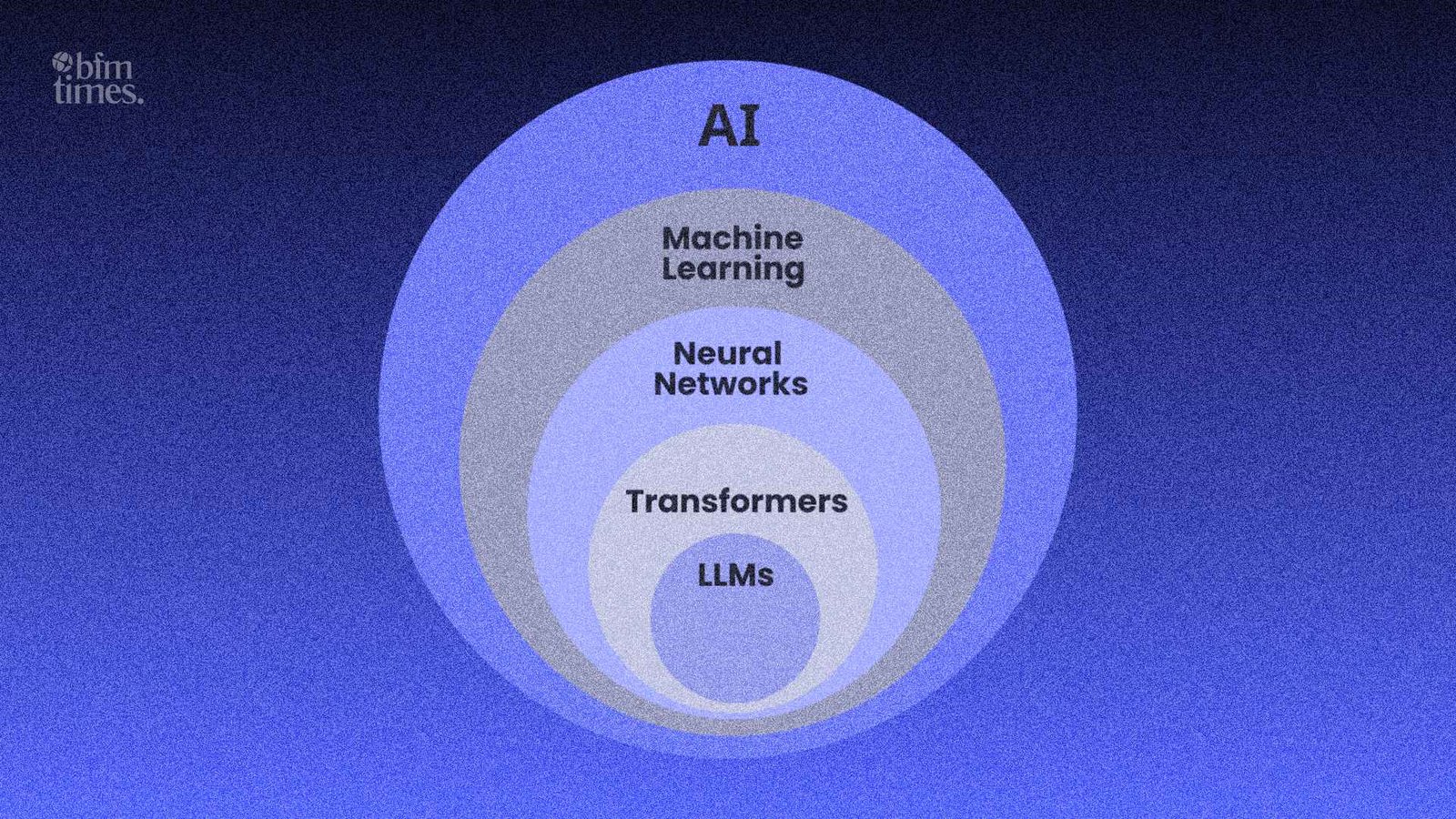
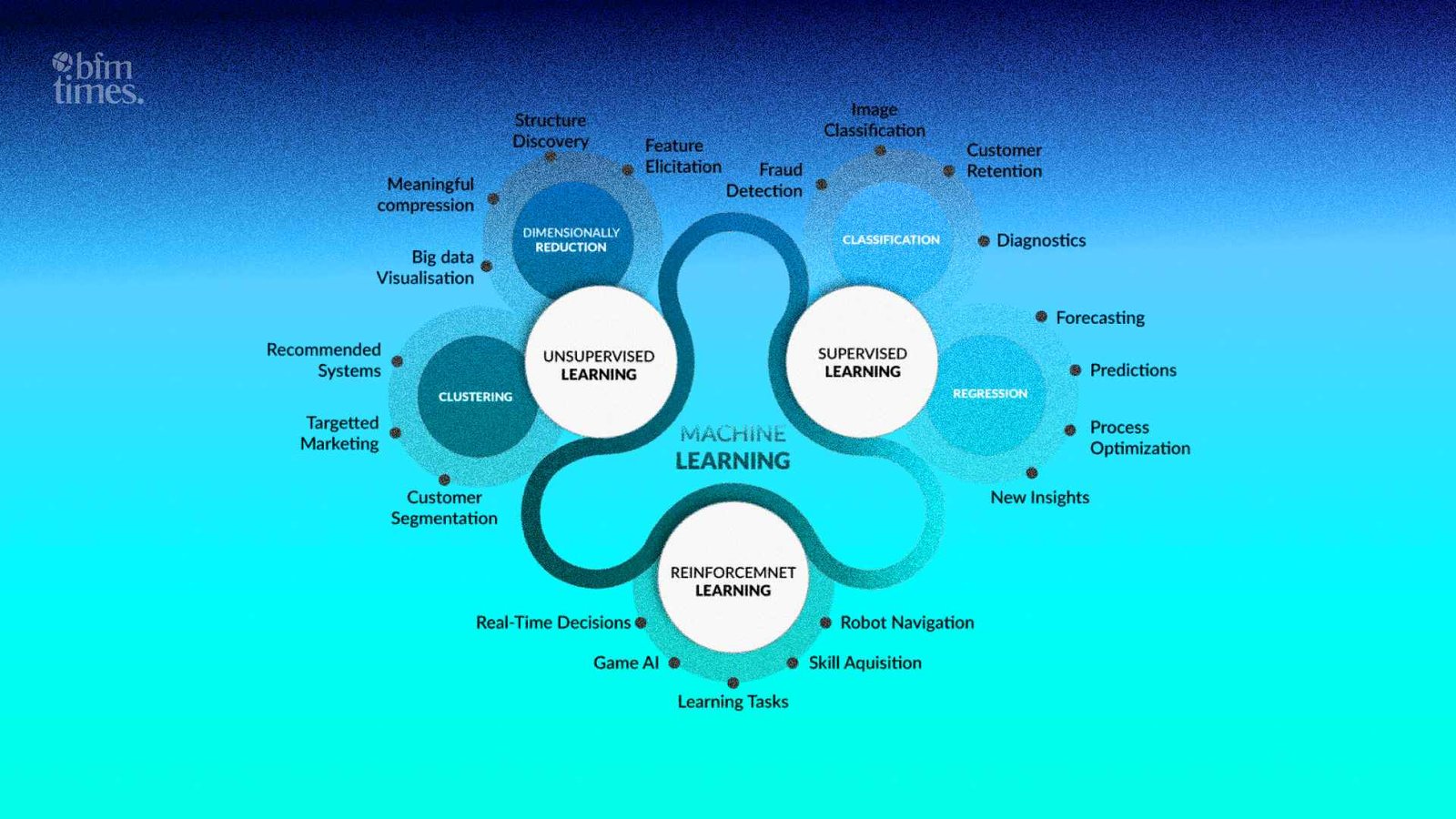
Conventional marketing was based on manual analysis, the past, and intuition. Although successful to some extent, this model had difficulty in scale, speed, and real-time flexibility. AI became part of the marketing processes, bringing machine learning, predictive analytics, and natural language processing into the field to enable the systems to learn with time and get better.
AI-driven marketing systems can now:
- Real-time customer behavior analysis.
- Make predictions regarding future purchasing.
- Automatic campaign optimization.
- Modify the message in relation to the audience reaction.
This development has transformed the way marketers strategize, implement, and track performance.
Why AI-Driven Marketing Is Now Essential
The expectations of the consumers have evolved. Customers are demanding channel relevance, speed, and consistency. These demands cannot be provided by manual processes. Artificial intelligence (AI) allows marketers to shift towards proactive strategies in situations where the insights are used to make decisions before the problems occur.
Motivating factors that will lead to the adoption of AI Marketing Tools are more data complexity, multi-channel customer journeys, and the need to realize measurable ROI in competitive markets.
What Are AI Marketing Tools
AI marketing tools: Software platforms that leverage artificial intelligence technologies of machine learning, data modeling, and automation are designed to enhance the results of marketing. In contrast to conventional marketing software, these systems are evolving and changing based on the data rather than just using the set rules.
Difference Between Traditional and AI-Driven Marketing Systems
| Traditional Marketing Software | AI-Driven Marketing Systems |
| Rule-based automation | Adaptive learning models |
| Manual optimization | Predictive optimization |
| Static customer segments | Dynamic audience targeting |
| Limited scalability | High scalability with data growth |
This difference is why AI-based solutions are being used as the basis of contemporary marketing stacks.
Why Businesses Are Adopting AI Marketing Tools
Companies in all sectors are resorting to intelligent applications to stay competitive and responsive.
Personalization at Scale
AI Marketing Tools can facilitate customized communication with thousands or millions of users, based on their behavioral patterns, likes, and history of engagement in real time.
Data-Driven Decisions
Marketers will have the benefit of making decisions based on predictive insights and performance forecasts produced by AI models and not assumptions.
Speed and Efficiency
Creation, optimization, and reporting of campaigns that used to be laborious a few days ago can now be done in a few minutes.
Cost Optimization
Through optimizing unnecessary spending in advertising and enhancing conversion, AI-powered marketing assists companies in spending money more wisely.
AI Digital Marketing Tools for Modern Campaigns
The digital marketing tools that are run by AI assist in the enhancement of the fundamental digital marketing operations and enhance accuracy and scalability.
Content Creation and Optimization
AI helps to analyze the topic, optimize content, and predict performance with the help of analyzing search trends and user interactions.
SEO and Analytics
Machine learning models discover the presence of keyword opportunities, technical search engine challenges, and ranking patterns that manual analysis frequently overlooks.
Social Media Marketing
AI applications plan publications, study the dynamics of interaction, and offer formats of content that are well-received by particular audiences.
Email Marketing
AI systems optimize send time, subject line, and other personalization features to increase open and conversion rates.
AI Advertising Tools for Smarter Paid Campaigns
The use of AI marketing tools in advertising is changing the way paid media campaigns are designed and implemented.
Ad Targeting Precision
AI is used to predict user behavior, demographics, and intent signals and determine the delivery of ads to probable audiences.
Budget Optimization
The spend is dynamically managed according to the performance to promote greater ROI of the platforms.
Performance Prediction
Predictive models are used to predict the results of a campaign and allow the marketer to adjust tactics prior to their execution.
Creative Testing
AI marketing tools can also simultaneously test a myriad of creative options and come up with more successful combinations compared to manual testing.
Marketing Automation AI for Scalable Growth
Marketing automation AI is aimed at simplifying work processes without losing relevance and personalization.
Lead Nurturing
AI ratings are behavioral- and engagement-based, using sales teams to target quality prospects.
CRM Automation
The updated customer information is constantly updated and segmented, thus allowing for more precise targeting.
Customer Journeys
AI maps and optimizes customer journeys through touchpoints, eliminating drop-offs and friction.
Campaign Scheduling
With automation, the campaigns will start up at the most appropriate time, without the need for human supervision.
AI Growth Tools That Drive Customer Acquisition
The AI growth tools are created to enhance the acquisition, engagement, and retention throughout the funnel.
Funnel Optimization
AI points out conversion funnel bottlenecks and suggests solutions.
Conversion Rate Improvements
Machine learning applications put landing pages, calls to action (CTAs), and message variations through the test to maximize conversions.
Retention and Engagement
Predictive analytics reveal the potential risk of churn and instigate timely engagement strategies to retain customers.
AI Marketing Software for Teams and Enterprises
AI marketing tools and software facilitates group work, scalability, and organizational-level data-driven decision-making.
Collaboration and Workflow Management
The teams are able to organize campaigns, exchange information, and control approvals on a single platform.
Data Integration
AI systems can bring together data sources, which create one source of truth.
Reporting and Dashboards
There is no manual reporting as real-time dashboards can provide actionable insights.
Enterprise Scalability
AI-based platforms can easily increase in size as the amount of data and complexity of the campaigns grow.
Best AI Marketing Tools Used by Modern Businesses
The success of AI-based marketing relies heavily on the choice of the tools that can be used in the given situation. Most companies combine multiple specialized AI marketing solutions to aid in content, advertising, automation, analytics, and optimization of growth rather than depending on one platform. Some of the most popular tools are employed in the industries below.
1. HubSpot
HubSpot is an AI-based CRM, content marketing, email automation, and analytics. Its artificial intelligence features enable business organizations to tailor customer experience, rate leads, and optimize campaigns.
Best for:
- Marketing automation AI
- CRM-driven campaigns
- Mid to large-sized businesses
2. Jasper
Jasper is specialized in the field of AI-assisted content creation on blogs, advertisements, emails, and landing pages. It is powered by the natural language processing that creates contextual marketing.
Best for:
- AI digital marketing tools
- Content marketing teams
- SEO-focused campaigns
3. Semrush
Semrush is an AI-powered product that allows conducting keyword searches, competitor analysis, content optimization, and performance forecasting, which makes it an essential part of data-based marketing strategies.
Best for:
- SEO and analytics
- Competitive research
- AI growth tools
4. Hootsuite
Hootsuite uses AI for social media scheduling, sentiment analysis, and tracking to ensure the brands gain the most out of social media.
Best for:
- Social media marketing
- Audience insights
- Campaign optimization
5. Google Ads
Google Ads applies machine learning to automate the bidding, targeting, and delivery of ads. Its AI models will keep on optimizing campaigns based on performance data.
Best for:
- AI advertising tools
- Paid search and display ads
- Performance-based marketing
6. Meta Ads Manager
The advertising platform introduced by Meta is strongly dependent on AI to target the audience, optimize creativity, and predict conversion in Facebook and Instagram.
Best for:
- Social advertising
- Lookalike audiences
- Creative testing
7. Salesforce Marketing Cloud
Salesforce uses AI (Einstein) that can be used to implement predictive analytics, customer segmentation, and channel-based messaging.
Best for:
- AI marketing software on a massive scale.
- Journey orchestration of customers.
- Advanced analytics
8. Mailchimp
Mailchimp leverages AI for email personalization, optimizes the time of sending emails, and provides performance data, which makes email campaigns more efficient.
Best for:
- Email marketing
- Small and medium businesses
- Automation workflows
9. Zapier
Zapier integrates marketing software and automates processes with artificial intelligence logic, eliminating human labor across platforms.
Best for:
- Marketing automation AI
- Cross-platform integration
- Process efficiency
10. Hotjar
Hotjar uses AI to understand the behavior of users in terms of heatmaps, session recordings, and feedback information, which can be used to optimize conversion rates.
Best for:
- Conversion optimization
- UX analysis
- Funnel improvement
How to Choose the Right AI Marketing Tools
All businesses require all the tools. Selection should be based on:
- Scalability and size requirements of the business.
- Marketing objectives (expansion, retention, automation)
- Data maturity and integration requirements.
- Budget and ROI expectations
An equalized AI marketing stack frequently consists of content, analytics, advertising, and automation tools instead of using one integrated product.
Use Cases of AI Marketing Tools Across Industries
Artificial intelligence-based marketing solutions are bringing value in various industries.
E-Commerce
- Individual product recommendations.
- Dynamic pricing strategies
- Cart abandonment forecasting.
SaaS
- Onboarding optimization and lead scoring.
- There are triggers of usage-based engagement.
Agencies
- Optimization of a campaign for various clients.
- Forecasting and reporting performance.
Local Businesses
- Location-based targeting
- Review sentiment analysis
Enterprises
- Cross-channel orchestration
- State-of-the-art attribution modeling.
Key Features to Look for in AI Marketing Tools
To choose the appropriate platform, it is necessary to consider the key capabilities.
Integration Capabilities
The tools must blend with the current CRM, analytics, and advertisement systems.
Security and Compliance
Protecting and controlling access to data, as well as adhering to regulations, are vital.
Customization Options
Flexibility makes the platform adaptable to the needs of a particular business.
Ease of Use
User-friendly interfaces also help decrease training and adoption.
ROI Measurement
It is justified to invest with clear attribution and tracking of performance.
Challenges and Limitations of AI Marketing Tools
Although it has its benefits, AI-driven marketing solutions have shortcomings.
Data Quality Issues
Artificial intelligence can only be as effective as the information it is supplied with.
Over-Automation Risks
Too much automation will decrease brand authenticity.
Need for Human Oversight
Human input is still needed in strategic direction, creativity, and ethical judgment.
Best Practices for Using AI Marketing Tools Effectively
Strategy Before Tools
Tool selection and implementation should be based on clear objectives and KPIs.
Testing and Iteration
The continuous testing makes the models accurate and relevant.
Human & AI Workflows
The fusion of AI and human creativity is the most effective.
Future of AI Marketing Tools
The further development of AI-based marketing will be based on increased responsibility and intelligence.
Predictive Marketing
AI will predict customer needs prior to the articulation of the same.
Hyper-Personalization
Channels will be set to standards of real-time personalization.
Responsible AI Adoption
There will be long-term success that will be determined by transparency, ethics, and data governance.
Conclusion
The main way that AI has transformed the marketing process is by providing the ability to make decisions faster, gain insight, and make personalization scalable. Done with care, AI marketing tools can enable companies to leverage campaigns, enhance customer experiences, and promote sustainable growth. Marketing cannot be terminated, but will be enhanced with smart systems that will learn and evolve as time goes by. Companies that invest in AI in the present are likely to be able to handle the changing digital world in the future.
Disclaimer: BFM Times acts as a source of information for knowledge purposes and does not claim to be a financial advisor. Kindly consult your financial advisor before investing.