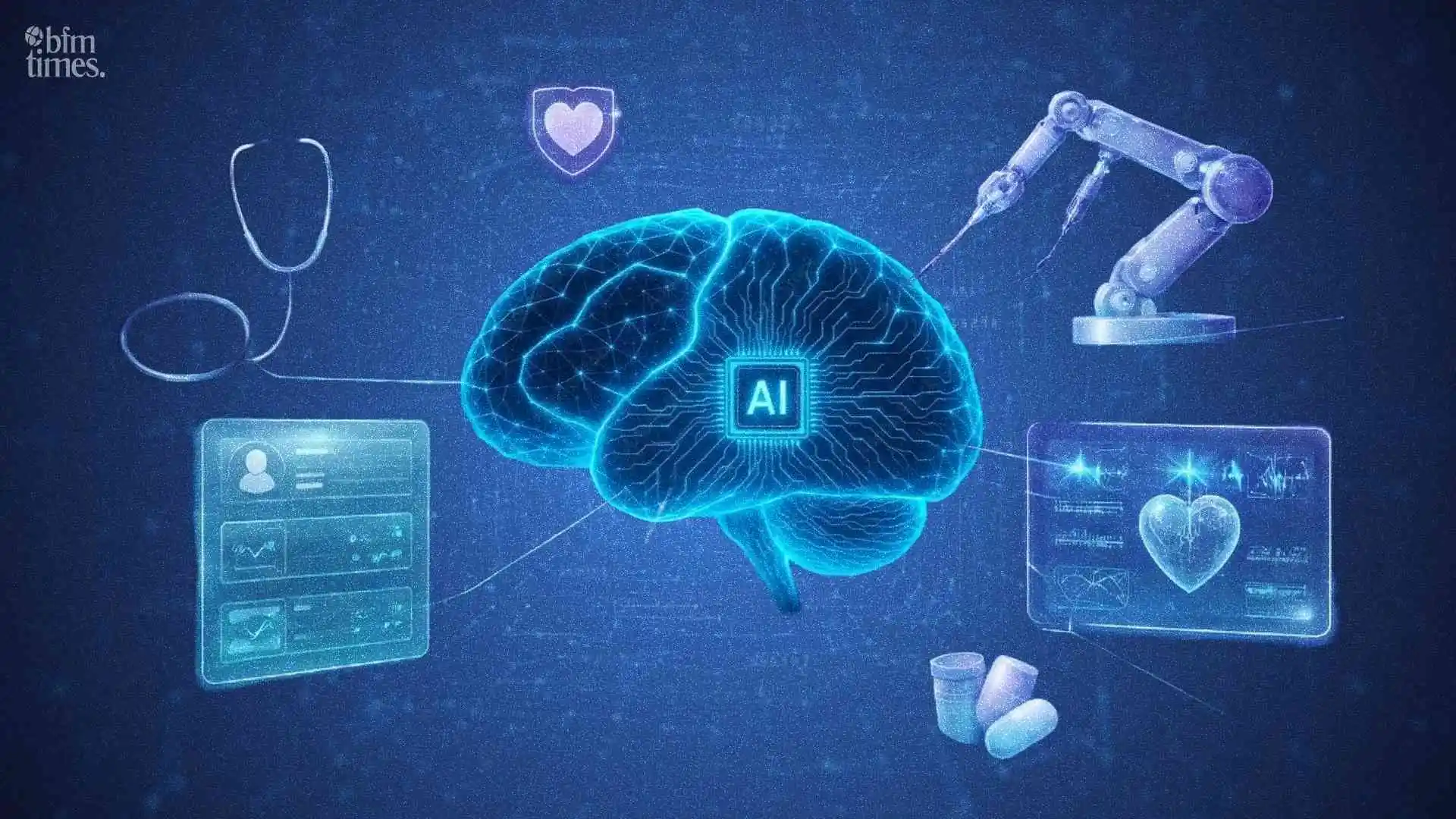
Artificial intelligence in healthcare is making a swift revolution in the nature of how healthcare is administered, the diagnosis of illnesses, and the provision of care to patients. The AI technologies allow healthcare professionals to analyze complex medical data more efficiently by combining their advanced algorithms, machine learning models, and data analysis tools. With the rising nature of digital health systems, artificial intelligence is evolving into a vital part of enhancing the speed, accuracy, and availability of medical services.
- Early Diagnostic Algorithms
- Integration of Machine Learning in Hospitals
- Growth of Digital Health Technologies
- Machine Learning Healthcare Models
- Deep Learning Neural Networks
- Natural Language Processing
- Computer Vision for Medical Imaging
- Disease Diagnosis and Medical Imaging
- Drug Discovery and Pharmaceutical Research
- Robotic Surgery Assistance
- Virtual Health Assistants and Chatbots
- Hospital Workflow Automation
- Cancer Detection
- Predictive Patient Monitoring
- Personalized Treatment Plans
- Faster Medical Diagnosis
- Improved Treatment Accuracy
- Reduced Healthcare Costs
- Improved Patient Outcomes
- Enhanced Hospital Efficiency
- AI-Powered Precision Medicine
- Remote Healthcare Monitoring
- AI-Assisted Surgery
- Integration with Wearable Health Devices
- What is artificial intelligence in healthcare?
- How is AI used in healthcare today?
- Why is artificial intelligence important for healthcare?
In its simplest sense, artificial intelligence in healthcare means the application of intelligent computer programs that process medical data to aid doctors, researchers, and healthcare administrators in their decision-making. These systems are able to recognize trends in medical records, scan images, and foretell possible health dangers way before symptoms emerge.
Increasingly, as healthcare AI technologies continue to develop, hospitals and research institutes are deploying AI medical systems to enhance diagnostics and personalized treatment, as well as simplify administration. Artificial intelligence is transforming the healthcare sector of the world and providing new opportunities to improve patient outcomes and decrease operational expenses, starting with predictive analytics and ending with virtual health assistants.
Related: Benefits of AI in Healthcare
The Evolution of AI in Modern Healthcare
Artificial intelligence in healthcare started its voyage decades ago when the first experiments of using computers in diagnostic methods took place. The early systems were weak in handling massive data, but they established the revolution in the current healthcare AI technology.
Early Diagnostic Algorithms
At the very beginning of the medical AI creation, scientists developed rule-based systems that were capable of assisting doctors in diagnosing diseases following pre-determined conditions. These systems used simple decision trees and limited data sets, which limited their precision and scalability.
However, these initial inventions revealed that computers were capable of helping doctors to analyze medical data in a more organized way.
Integration of Machine Learning in Hospitals
As the computing power and data storage capabilities increased, hospitals started to introduce machine learning healthcare models into clinical work. Machine learning enabled AI systems to handle large volumes of medical data and increase their accuracy with time.
Early machine learning integration was used on:
- Patient readmission risk predictive models.
- AI-assisted radiology tools
- Automatic clinical documentation analysis.
These inventions were the turning point in the evolution of AI medical systems generated in modern hospitals.
Growth of Digital Health Technologies
The high pace of healthcare data digitization has increased the pace of artificial intelligence adoption. Medical imaging databases, wearable devices, and electronic health records have become sources of massive medical data.
This information forms the basis of the current AI in healthcare described by advanced analytics, which allows the healthcare providers to:
- Detect diseases earlier
- Enhance the treatment decision-making.
- Monitor patients remotely
Consequently, the history of artificial intelligence in healthcare has changed away from experimental studies to become an essential element of contemporary healthcare.
Key Technologies Powering Healthcare AI Systems
Modern healthcare AI technology relies on several advanced computational techniques that allow AI systems to analyze medical data effectively.
Machine Learning Healthcare Models
One of the most significant technologies of artificial intelligence in healthcare is machine learning. These models examine large datasets in order to come up with patterns and predictions.
The machine learning healthcare models are usually applied to:
- Predicting disease risk
- Detecting suspicious medical imagery.
- Prescription of individualized therapy.
Machine learning systems can learn and improve their accuracy and reliability with time due to their continuous learning processes based on new medical data.
Deep Learning Neural Networks
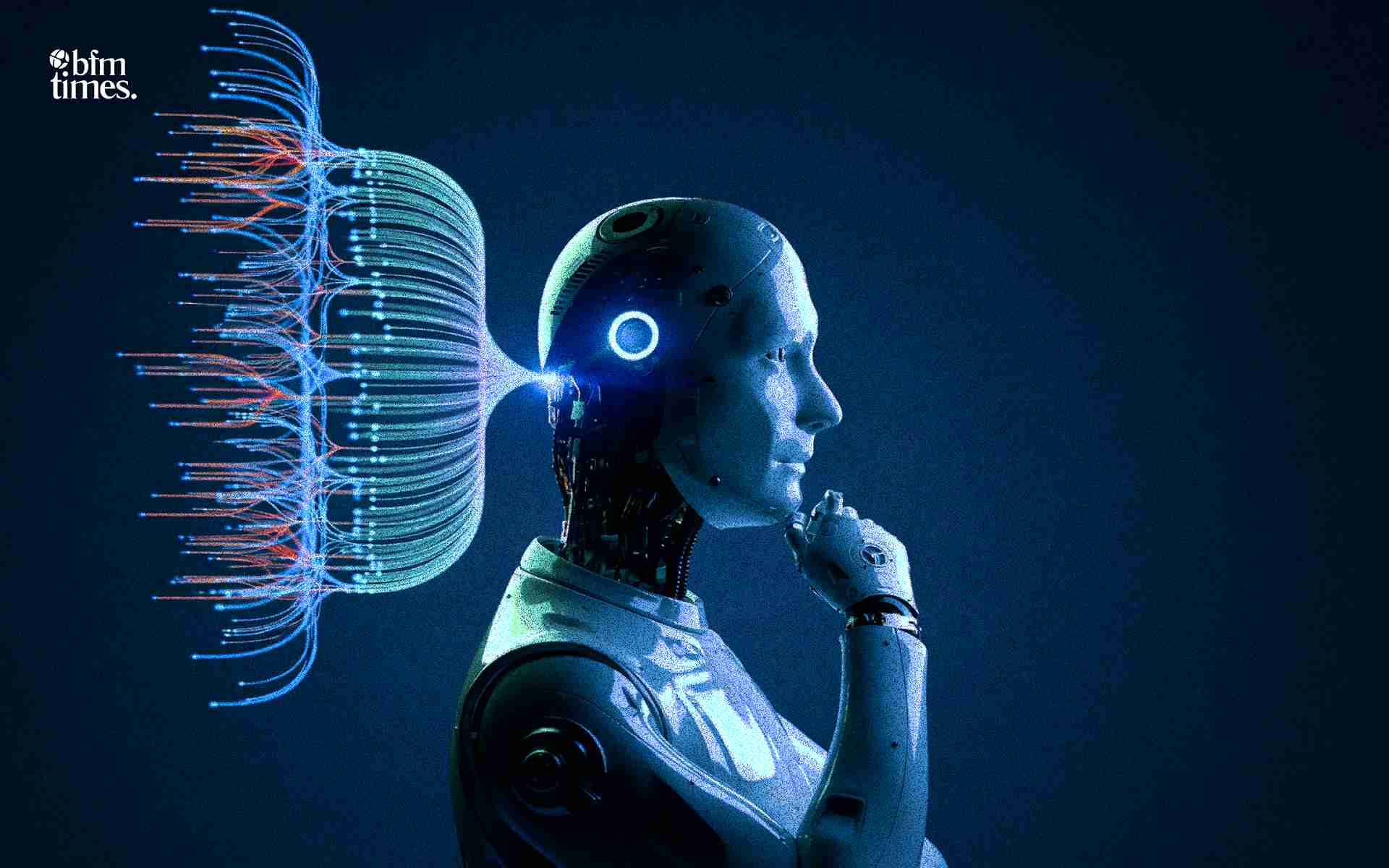
Deep learning is a subdivision of machine learning that involves the application of neural networks based on the human brain. These algorithms prove to be especially useful in processing complex medical data, including scans and genomic data.
Some of the advanced AI healthcare applications using deep learning systems include:
- Cancer detection in radiology scans
- Detection of diabetic retinopathy in eye images
- Automated pathology analysis
These neural networks can analyze thousands of medical images and detect patterns that may be difficult for humans to identify.
Suggested: Generative AI vs Traditional AI: What’s the Difference?
Natural Language Processing
Natural Language Processing (NLP) enables AI to interpret and comprehend human language. In healthcare, NLP is used to interpret clinical documentation, research papers, and patient records.
Applications of NLP in healthcare can be used as:
- Deriving information from electronic health records.
- Reviewing the records of patients.
- Data analysis and medical research.
NLP enhances the effectiveness of healthcare professionals since less time is taken to access massive medical records.
Computer Vision for Medical Imaging
I can use computer vision technology to analyze medical images, including:
- X-rays
- CT scans
- MRI scans
- Ultrasound images
These are the tools that help the radiologists with the detection of abnormalities and the identification of possible health problems. Computer vision is an important component in the development of AI medical systems in diagnostics.
How Artificial Intelligence Works in Healthcare Systems
To gain an insight into the functioning of artificial intelligence in healthcare, it is essential to analyze the way in which AI-based systems process medical data and provide insight.
Data Collection
AI healthcare considers big data sets of medical data that have been gathered at various sources, including:
- Electronic health records (EHRs).
- Medical imaging databases
- Genomic sequencing data
- Wearable health devices
These data sets give the raw data that the AI models will be used on to determine patterns and correlations.
AI Model Training
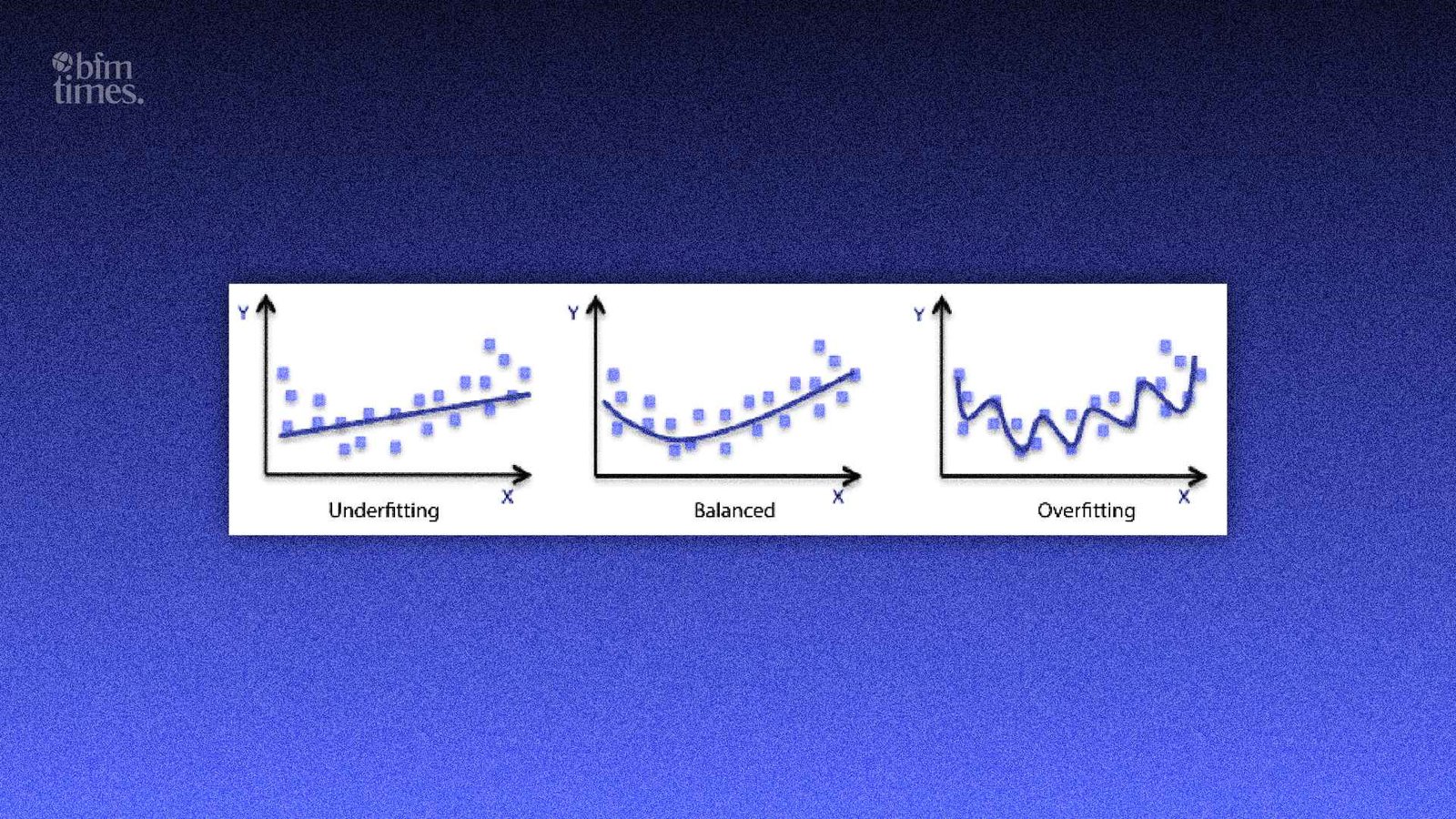
After the data is gathered, it is used to train machine learning algorithms that identify patterns associated with diseases, the effectiveness of treatments, and the behaviors of patients.
During this phase:
- AI models learn from historical medical data
- Algorithms refine predictions through repeated training
- System accuracy improves over time.
Pattern Recognition
After training, AI systems begin analyzing new patient data to detect patterns that may indicate potential health conditions. These patterns help healthcare professionals to make well-informed and quick decisions.
Predictive Insights
Predictive analytics is also one of the most useful functions of healthcare AI technology. Artificial intelligence is capable of studying the history of patients and finding the risk factors related to heart diseases, diabetes, or cancer.
For example, AIs do not substitute physicians. Rather, AI in healthcare implies providing medical professionals with sophisticated devices that improve diagnostic and decision-making processes.
Major AI Healthcare Applications
Artificial intelligence has been applied in numerous fields of healthcare. Such AI healthcare applications are enhancing healthcare performance and operational effectiveness.
Disease Diagnosis and Medical Imaging
Radiology scans can be assessed with amazing precision by AI-driven imaging systems. These are tools that help doctors detect an abnormality like a tumor, a fracture, or internal bleeding.
Through computer vision and machine learning healthcare models, it is possible to increase the accuracy of the diagnosis and decrease the workload of medical practitioners.
Drug Discovery and Pharmaceutical Research
New drugs used to take years of researching and trying to find out. The AI technologies are making this process faster by examining the biological data and forecasting the possible effects of various compounds on the human body.
Pharmaceutical companies are benefiting from the help of artificial intelligence in healthcare:
- Discover promising drug candidates.
- Analyze genetic data
- Streamline clinical trial operations.
This considerably saves time in the process of introducing new treatments in the market.
Robotic Surgery Assistance
Robot machines acquire AI elements, which are employed more and more frequently in surgeries. These systems aid the surgeons by giving them accurate movements and real-time analysis in operations.
The advantages of robotic surgical assistance are:
- Increased accuracy at the workstations.
- Minimized complications during surgery.
- Reduced time in patient recovery.
Although surgeons have the ultimate control, the accuracy and safety of the AI systems are improved.
Virtual Health Assistants and Chatbots
Artificial intelligence-based virtual assistants can assist patients with their daily healthcare tasks.
These tools can:
- Administer symptom measurements.
- Remind patients to take medications
- Schedule doctor appointments.
Virtual healthcare assistants enhance accessibility and take pressure off hospital resources.
Hospital Workflow Automation
The administrative work takes up a large share of time among healthcare professionals. Artificial intelligence in healthcare assists in automating the following activities:
- Patient record management
- Insurance claim processing
- Appointment scheduling
This will help the healthcare providers to attend to more patients by cutting on the administrative workload.
Machine Learning in Healthcare
Modern medical innovation focuses on machine learning healthcare models. These systems process vast amounts of data to be able to identify patterns that are normally hard to identify.
Cancer Detection
The imaging scans can be analyzed using machine learning algorithms to detect the early occurrence of cancer. These systems help radiologists, as they are used in pointing out suspicious points that may develop into an area of interest that the radiologists will examine further.
The timeliness of the diagnosis is essential, and AI tools can improve diagnostic abilities.
Predictive Patient Monitoring
Predictive models are capable of real-time analysis of patient health data. There is an opportunity to implement AI systems that track the vital signs and past records of a patient and signal healthcare providers when their conditions start to worsen.
This will enable hospitals to treat earlier and avoid complications.
Personalized Treatment Plans
All patients react to treatments differently. Healthcare AI models use genetic data, lifestyle, and medical history to prescribe a treatment plan personalized to individual requirements.
The strategy assists in the creation of precision medicine, which involves the customization of the treatment based on the individual needs of a patient.
Benefits of Artificial Intelligence in Healthcare
Implementing artificial intelligence in healthcare has many benefits for patients, health practitioners, and medical facilities.
Faster Medical Diagnosis
AI systems can analyze medical data much faster than traditional methods, allowing doctors to diagnose diseases more quickly.
Improved Treatment Accuracy
AI tools may detect patterns by processing a large amount of data, which positively influences treatment recommendations and helps reduce diagnostic errors.
Reduced Healthcare Costs
The use of automation and predictive analytics reduces needless tests, hospital readmissions, and administrative expenditures.
Improved Patient Outcomes
An early diagnosis and patient-centered interventions result in positive patient outcomes and quality healthcare services.
Enhanced Hospital Efficiency
AI in healthcare technology enhances workflow and the allocation of resources that enable hospitals to work efficiently.
The Future of Artificial Intelligence in Healthcare
The potential of the artificial intelligence healthcare field is enormous for the future of medical systems across the world.
AI-Powered Precision Medicine
AI technologies will further enhance custom treatment options by examining genetic information and forecasting the reaction of patients to certain treatments.
Remote Healthcare Monitoring
Due to the combination of wearable devices and mobile health applications, AI systems will be able to track patient health in real-time, as well as provide warnings to doctors on possible dangers.
AI-Assisted Surgery
More advanced robotic systems, which will be artificial intelligence-driven, could also lead to a higher level of surgical accuracy and fewer complications.
Integration with Wearable Health Devices
Smartwatches and health trackers are wearable technologies that produce continuous health information. This data can be analyzed by AI systems to give real-time health information and preventative care suggestions.
The AI healthcare applications will become more advanced and prevalent as the quantity of healthcare data increases.
Also Read: Why AI Applications in Healthcare Will Define the Future of Medicine
Conclusion
Healthcare AI is changing how healthcare systems diagnose and treat diseases, as well as how they manage patients. AI technologies can be used to support medical practitioners in making decisions based on machine learning healthcare models, predictive analytics, and improved data processing techniques.
Artificial intelligence in healthcare supports a more effective approach to disease identification and advances medication development and hospital automation, which ultimately increases patient outcomes. They are innovations that are allowing healthcare providers to provide more personalized and data-driven care.
But there must be responsible implementation. The challenges of data privacy, algorithm bias, and regulatory oversight should be resolved to make sure that healthcare AI technology is beneficial to patients safely and ethically.
With the development of technology, artificial intelligence in healthcare will become more relevant to the future of the field of medicine and enhance the healthcare systems of the world.
Disclaimer: BFM Times acts as a source of information for knowledge purposes and does not claim to be a financial advisor. Kindly consult your financial advisor before investing.
What is artificial intelligence in healthcare?
Artificial intelligence in healthcare refers to the use of AI technologies to analyze medical data and support diagnosis, treatment, and patient care.
How is AI used in healthcare today?
AI is used for medical imaging analysis, disease prediction, drug discovery, and improving hospital operations.
Why is artificial intelligence important for healthcare?
It helps doctors make faster decisions, improves diagnostic accuracy, and enhances overall patient outcomes.