The world of medicine is changing fast. This change happens because technology plays a big role in healthcare. The most powerful technology in this change is artificial intelligence. These benefits of AI in healthcare are now visible across the world. They help doctors, nurses, and hospitals work in smarter ways. The systems save time and reduce errors, and improve patient results. These ideas show how AI is changing the healthcare industry.
- What Is Artificial Intelligence in Healthcare?
- What Are the Top Benefits of AI in Healthcare?
- Early Disease Detection & Diagnosis
- Reducing Medical Errors
- Personalized Treatment Plans
- Faster Drug Discovery
- Improved Administrative Efficiency
- Remote Patient Monitoring
- Mental Health Support
- Predictive Analytics in Healthcare
- How Is AI in Healthcare Improving Patient Outcomes?
- What Are the Challenges and Ethical Considerations of AI in Healthcare?
- What Does the Future of AI in Healthcare Look Like?
- Conclusion
In this article, readers will gain insights into the Benefits of Artificial Intelligence in Healthcare featured on BFM Times.
Related: Why AI Applications in Healthcare Will Define the Future of Medicine
What Is Artificial Intelligence in Healthcare?
The term artificial intelligence in healthcare means the use of smart computer systems. These systems learn from data and make decisions using patterns. The programs study large amounts of health data quickly. These systems help doctors find diseases and plan treatments. They now work in hospitals and clinics, and research labs across the world.
What Are the Top Benefits of AI in Healthcare?
Early Disease Detection & Diagnosis
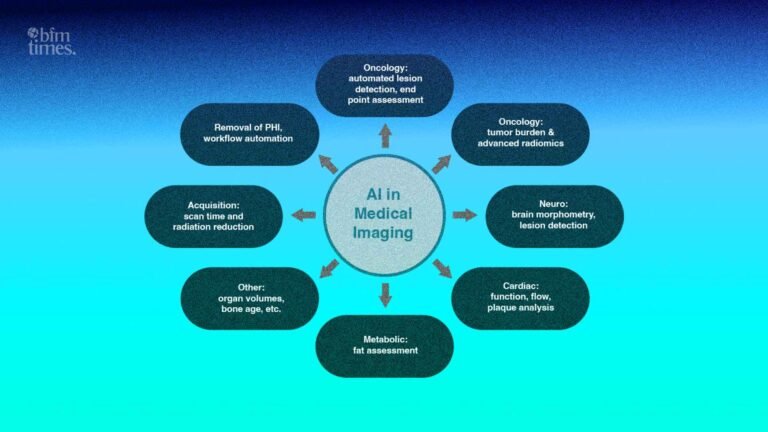
The biggest benefit of AI in healthcare is early disease detection. These systems scan medical images like X-rays and MRIs in seconds. The programs find patterns that human eyes can miss. This technology now detects cancer in very early stages. These early discoveries improve treatment success rates. The early diagnosis saves patient lives and improves recovery chances.
Reducing Medical Errors
The problem of medical errors affects many of the healthcare systems around the world. These AI tools help in reducing these mistakes. They check prescriptions, diagnoses, and lab reports again for safety. The systems alert the doctors when the results look incorrect. This extra checking layer improves patient safety and protects lives.
Personalized Treatment Plans
The reality in medicine is that every patient is different. This technology studies the patient’s history, genetics, and lifestyle. These systems help doctors in creating personal treatment plans. The treatment becomes more effective for each patient. This benefit is one of the most exciting uses of AI in healthcare today.
Faster Drug Discovery
The process of making a new drug normally takes many years. These AI systems reduce the time needed for their research. The programs study millions of chemical compounds quickly. They predict which medicines can treat specific types of diseases. This technology helped speed up vaccine research during the COVID-19 pandemic. These results show how AI can help save lives on a very large scale.
Improved Administrative Efficiency
The daily hospital work includes a large amount of paperwork. These AI tools automate tasks like billing and scheduling of the operations. The systems reduce workload for the hospital staff. These changes allow doctors and nurses to focus more on patient care. The improved administration creates smoother hospital operations.
Remote Patient Monitoring
The use of AI-powered wearable devices is increasing around the world. These devices track heart rate and blood sugar, and oxygen levels in real time for the patient. The doctors follow patient health without hospital visits. This approach helps elderly patients and people who are suffering from long-term illnesses. These tools reduce pressure on hospital resources and eventually improve care.
Mental Health Support
The growth of AI tools also supports mental health care. These AI chat systems provide emotional support all day and night. The tools help people manage their stress, anxiety, and depression. These systems do not replace any of the doctors. The systems give simple support to millions of people around the world.
Predictive Analytics in Healthcare
The ability of AI to predict health risks is very valuable. These systems study the patient data and forecast future health problems based on the data. The hospitals use the AI to identify patients who might return after treatment. This prediction allows early care and better planning of hospital resources. The use of predictive analytics is growing fast in healthcare.
Suggested: AI vs Traditional Healthcare: How Medical Technology Is Changing
| AI Application | Healthcare Benefit |
| Medical Imaging Analysis | Faster and more accurate diagnosis |
| Predictive Analytics | Early risk detection and prevention |
| Drug Discovery Algorithms | Faster development of new medicines |
| Administrative Automation | Reduced paperwork and human errors |
| Remote Patient Monitoring | 24 7 real time health tracking |
| AI Powered Chatbots | Accessible mental health support |
| Personalized Treatment AI | Tailored care for individual patients |
How Is AI in Healthcare Improving Patient Outcomes?
The patient outcomes improve strongly because of AI technology. These hospitals that use AI report faster diagnosis times. The treatment success rates also increase with AI support. The patients spend less time inside hospitals because of smarter care. These benefits of AI in healthcare are clearly visible in patient recovery results.
This technology also reduces the gap in healthcare access. The people in remote areas receive expert diagnosis through online platforms. These AI-powered telemedicine services connect patients with doctors across the world. The system makes healthcare more affordable and easier to access for many people.
What Are the Challenges and Ethical Considerations of AI in Healthcare?
The use of AI in healthcare also brings some challenges. The concern about data privacy remains important for many patients. These discussions also include possible bias in AI systems. People worry that AI may replace doctors. The experts explain that AI supports doctors and does not replace them.
The rules that control AI in healthcare are still developing. The governments and health organizations create guidelines for safe use. The responsible use of AI helps provide benefits to everyone. The transparency and accountability of AI systems build trust in healthcare technology.
Also Read: Recurrent Neural Networks (RNN) Explained
What Does the Future of AI in Healthcare Look Like?
The future of AI in healthcare looks very promising. The researchers create new AI tools every day. These robotic surgeries guided by AI are becoming more common in hospitals. The systems will also support genomics and precision medicine. These benefits of AI in healthcare will continue to grow in the coming years.
The global economy may gain trillions of dollars from AI by the year 2030. These healthcare systems will receive some of the largest advantages. The investment in AI healthcare technology is increasing rapidly. These developments will create better tools, better care, and better health results for people everywhere.
Conclusion
The transformation of healthcare through AI is already clear. These benefits of AI in healthcare include early disease detection and personal treatment plans. They reduce mistakes, save time, and improve patient care quality. These advantages help patients, doctors, and healthcare systems.
This technology will become even more important as AI continues to grow. The responsible use of AI will support a healthier future for society. These patients, doctors, and healthcare workers will all benefit from this technology. The age of intelligent healthcare has already started.
Disclaimer: BFM Times acts as a source of information for knowledge purposes and does not claim to be a financial advisor. Kindly consult your financial advisor before investing.
What are the main benefits of AI in healthcare?
AI improves diagnostic accuracy, speeds up treatments, and helps deliver personalized patient care.
How does AI improve healthcare efficiency?
AI automates data analysis, administrative tasks, and clinical workflows to save time and reduce errors.
How does AI help in disease detection?
AI can analyze medical data and imaging to detect diseases earlier and support faster medical decisions.