By using this site, you agree to the Privacy Policy and Terms of Use.
Accept

Global Decentralized Hackathon Show – Register Here

BFM Times
Trending Event
  • Home
  • BFM Talks
    • Finance
    • Startup
    • Investment
    • Web3
  • Press Release
  • Partners
  • Events
  • Market Live
  • Converter
  • Exchanges
  • Accelerator
  • Contact Us
Reading: How to Use Stop Loss in Trading: Definition, Significance, and Example
Share
  • bitcoinBitcoin(BTC)$91,309.00
  • ethereumEthereum(ETH)$3,130.70
  • tetherTether(USDT)$1.00
  • rippleXRP(XRP)$2.16
  • binancecoinBNB(BNB)$889.73
  • solanaSolana(SOL)$138.18
  • usd-coinUSDC(USDC)$1.00
  • tronTRON(TRX)$0.294697
  • staked-etherLido Staked Ether(STETH)$3,129.56
  • dogecoinDogecoin(DOGE)$0.142798
Trending Event
  • Accelerator
  • Finance
  • Investment
  • Web3
  • Featured
  • Startup
  • News
  • Educational
  • Price Analysis
Search
  • Home
  • BFM Talks
    • Finance
    • Startup
    • Investment
    • Web3
  • Press Release
  • Partners
  • Events
  • Market Live
  • Converter
  • Exchanges
  • Accelerator
  • Contact Us
Have an existing account? Sign In
Follow US
  • Home
  • BFM Talks
  • Press Release
  • Partners
  • Events
  • Market Live
  • Converter
  • Exchanges
  • Accelerator
  • Contact Us
© 2025 All Rights Reserved.
BFM Times > Blog > Investment > How to Use Stop Loss in Trading: Definition, Significance, and Example
Investment

How to Use Stop Loss in Trading: Definition, Significance, and Example

Dhirendra Das
Last updated: January 6, 2026 12:46 pm
Dhirendra Das
Published: January 6, 2026
Share
How to Use Stoploss in Trading
SHARE

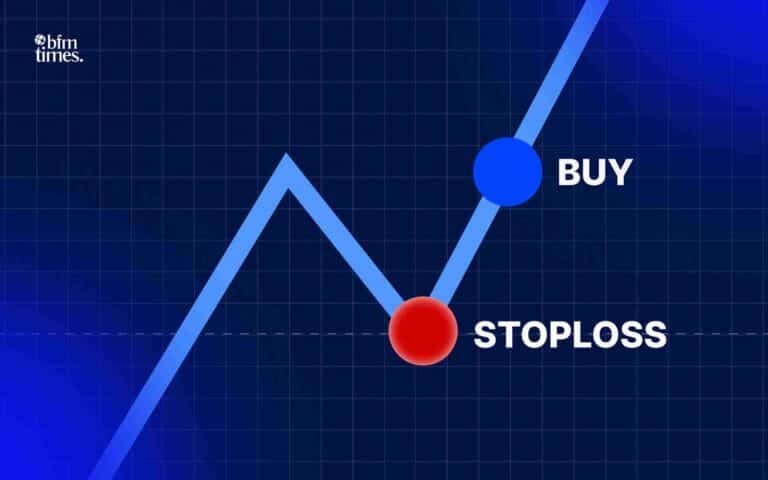
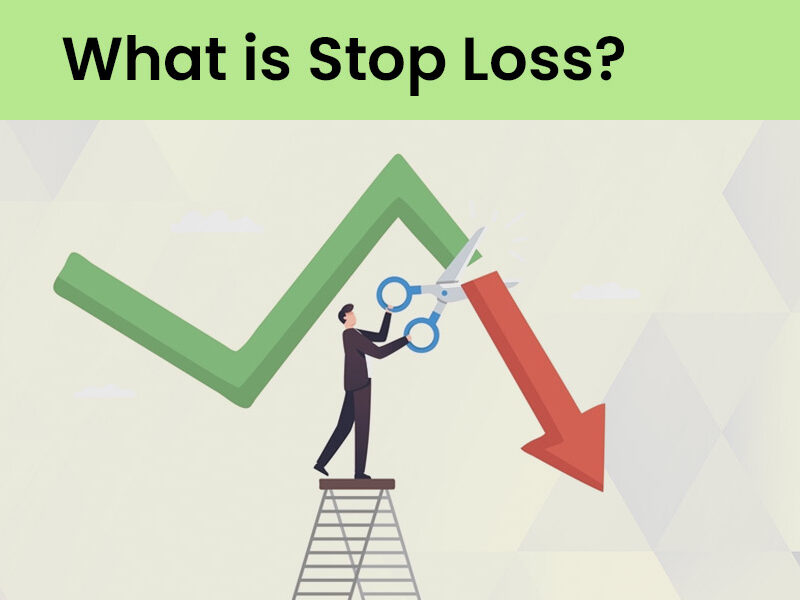
A stop loss is a pre-established price level, and when the price reaches that level, a trader will exit a trade to limit losses. It is a trading order placed with a broker or trading platform that activates automatically when the price of a position reaches a specific level. In layman’s language, a stop loss will allow you to pre-determine the level of loss that you are not willing to bear on a trade.

Contents
  • Importance
  • Stop Loss: How to Use It Profitably
  • Examples of Stop Loss in Trading
  • Benefits
  • Disadvantages
  • Conclusion

Here is an example: when you purchase a stock at $100 with a stop-loss of $95, the trade will automatically close if the stock drops to $95.

Importance

Emotion control is the greatest challenge in the trade, such as fear and greed. Stop loss is an important factor since it eliminates emotional decision-making. The stoploss operates in the background instead of panicking and selling when the market is falling.

It also enables traders to plan rather than respond. Most professional traders think that preserving capital is key to success, not making a profit, and stop loss can help convey such an attitude.

Stop loss is essential to use since trading involves losses. No trader wins every trade. A minor loss can easily escalate into a huge loss without a stop loss. This is particularly risky in unstable markets such as stocks, forex, or crypto.

Stop loss is also helpful for consistency. Traders would have confidence in trading when their losses are kept at bay, allowing them to trade without panic. This field, in the long run, enhances performance.

Stop Loss: How to Use It Profitably

Stoploss must be applied as logically and structurally as possible, rather than on arbitrary figures. An example of such a common method is a stop loss being placed under a support level in buying or over a resistance level in selling.

The other method is percentage-based stoploss, where a trader only risks a set percentage of money on a trade, say 1 percent or 2 percent. This trading is common among risk-averse traders.

Trailing stop loss is also popular. It swings as you go with the market when the market is on your side, and you get the profits locked in, and at the same time, the market does not change in a flash.
Examples of Stop Loss in Trading

Assume that you purchase a stock at a breakout of $200. The recent support is at $190. You set your stop loss at $188 to allow a margin of pricing. In case of a wrong trade, you can lose a lot.

When a trader buys a stock at 50 and sets a stop loss at 48 in intraday trading, the trader has already fixed the maximum loss. This is a clearance that facilitates trade planning.

Social platforms are also used by many traders who give their strategies and risk management ideas. An example of how this is discussed on Twitter is this stop-loss and risk control discussion: 

Trailing stop loss is one of the most valuable tools you can use to manage your risk and maximize profits.

"Some" considerations and insights:

For those who don't know, it provides a balance between allowing a trade to run while protecting you from losing too much of my gains.…

— ZERO IKA 🗡️ (@IamZeroIka) March 12, 2025

Benefits

Capital protection is among the primary advantages of stop-loss. It averts huge unforeseen losses. Stoploss is also time-saving because trades are automated and do not require constant monitoring.

Other advantages include better discipline. Stop-loss traders are likely to act according to rules and not emotions. This will contribute to more sustainable and stable trading outcomes in the long run.

Disadvantages

Stoploss is not ideal, despite its advantages. At times, the market will have a price run-up or a brief downturn, which will cause a stop-loss before resuming the direction in which the market is wanted to move. This may lead to a loss of opportunity.

Exits may also be frequent when the stop loss is too close to the entry price. Thus, traders have to weigh protection against sufficient flexibility to accommodate conventional market changes.

Conclusion

Stop loss is a necessary tool for every trader, be it amateur or professional. It assists with risk management and capital safeguards, and introduces discipline into trading decisions. Although it is limited in several ways, the benefits of employing stoploss extensively outweigh the drawbacks.

Disclaimer: BFM Times acts as a source of information for knowledge purposes and does not claim to be a financial advisor. Kindly consult your financial advisor before investing.

What is Dollar Cost Averaging or DCA in Investing?
How to Legally Avoid Paying Taxes in Crypto in India?
What is an Option? Basics, Examples, Benefits, and Risks
What if I Invested 1000 Rupees in Bitcoin in 2010?
Support and Resistance in Trading
Share This Article
Facebook Email Copy Link Print
Previous Article Leveraged Trading Leverage Trading: Meaning, Benefits, and Risks
Next Article Moving Average Convergence Divergence (MACD) Moving Average Convergence Divergence (MACD): Definition, Usage, Benefits & Examples
Leave a Comment

Leave a Reply Cancel reply

Your email address will not be published. Required fields are marked *

- Advertisement -
Ad image

Latest Posts

ETFs
First Daily Outflows Hit XRP ETFs As Nearly $600 Million Leaves General Market
Web3 News
Bitcoin ATH
Bitcoin Needs To Cross These Checkpoints For A New ATH In 2026
Finance
Cubane BFM Times
Building Systems That Last: The Journey of Sundar Padmanabhan
Press Release
US Oil Stocks
Why US Oil Company Stocks Jumped After Trump’s Entry Into The Venezuelan Oil Sector
Web3 News

You Might Also Like

Short Squeeze Explained
Investment

Short Squeeze Explained: A Beginner’s Guide for Traders and Investors

January 6, 2026
SOL Price prediction
Investment

Solana Price Analysis 2026

November 29, 2025
Relative Strength
Investment

What is Relative Strength Index (RSI)?

December 2, 2025
Future Trading
Investment

How Does Future Trading Work?

January 6, 2026

Follow Us on Socials

We use social media to react to breaking news, update supporters and share information

Facebook X-twitter Instagram Linkedin Reddit Pinterest Telegram Youtube
BFM Times

For the Phenomenal Times

Quick Links

  • Privacy Policy
  • Press Release
  • Events
  • Partners
  • Submit Your Post
  • About Us
  • Advertise
  • Career
  • Contact Us

Newsletter

You can be the first to find out the latest news and tips about trading, markets...

Please enable JavaScript in your browser to complete this form.
Loading
Ad image
© 2025 All Rights Reserved.
Hot Wallet
Join Us!
Subscribe to our newsletter and never miss our latest news, podcasts etc..
Please enable JavaScript in your browser to complete this form.
Loading
Zero spam, Unsubscribe at any time.
Welcome Back!

Sign in to your account

Username or Email Address
Password

Lost your password?