


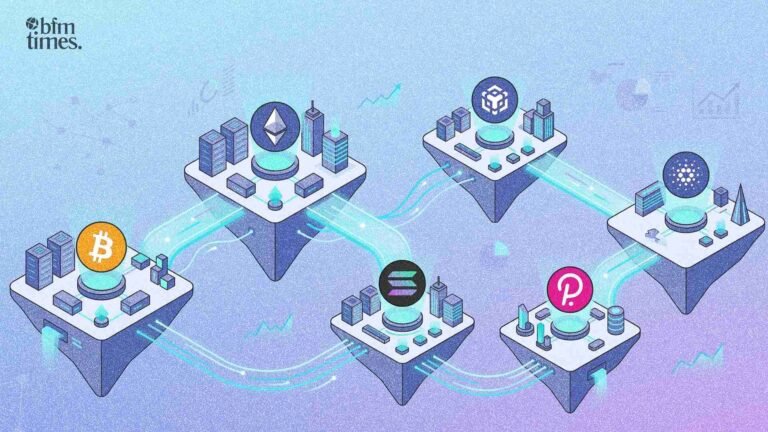
The crypto world is growing fast & it’s getting more connected. We see that the users are no longer staying on one blockchain only. It means they eventually move their assets across chains for better returns & the faster services. This is where a multichain bridge becomes more important.
- What is a Multichain Bridge & Why It Matters?
- How Do Multichain Bridges Work?
- What Key Features Should You Look for in a Multichain Bridge?
- Which Are the Top Multichain Bridge Platforms in 2026
- Multichain
- Wormhole
- Stargate
- Synapse
- Hop Protocol
- Celer cBridge
- Across Protocol
- LayerZero
- Portal Bridge
- Avalanche Bridge
- How Do DeFi Users Use a Multichain Bridge?
- What Are the Benefits of Using a Multichain Bridge?
- What Challenges Do Multichain Bridges Face?
- What Is the Future of Multichain Bridge Technology?
- How Can You Choose the Right Multichain Bridge?
- Conclusion
The multichain bridge allows users to transfer their tokens between different blockchain networks. We see it helps in overall improving liquidity & also gives more flexibility. In 2026, these bridges are smarter & had become more secure than before.
In this article, readers will gain insights into the Top 10 Multichain Bridges in 2026 featured on BFM Times
Also Read: What Is RLUSD XRP Stablecoin Explained
What is a Multichain Bridge & Why It Matters?
The multichain bridge connects all the different blockchain networks. We see that it lets the users move assets from one chain to another very easily.
It gives a simple example where you can move tokens from Ethereum to Binance Smart Chain. This helps users save fees & also helps in accessing better opportunities.
These are the main reasons why a multichain bridge is important:
- It helps to improve liquidity across multiple blockchains.
- We see that it reduces the dependency on a single network.
- It enables faster transactions for the users.
- They support DeFi growth.
The blockchains would stay isolated without the bridges. We see that would limit innovation & the user growth. It also slows down the adoption of all of the decentralized apps.
How Do Multichain Bridges Work?
The multichain bridge works using smart contracts & the validators. It locks assets on one chain & mints them onto another.
This is a simple breakdown of the process:
- You send the tokens to the bridge.
- They get locked on their original chain.
- It creates equivalent tokens on the new chain for you to use.
- You can use them now, however you like.
The process reverses when you return these assets back. We see that some bridges use centralized validators. It shows others use decentralized methods. These newer bridges focus on better security & the lower risks.
The bridges also use liquidity pools in some cases. We see that this method allows faster transfers without any waiting for minting. It improves the overall speed & the user experience.
What Key Features Should You Look for in a Multichain Bridge?
The users should check these important features before choosing a bridge based on their needs and requirements.
- Security
- Security should always come first. We see that the bridges are common targets for hacks. It is important to choose bridges with audits & with strong systems.
- Speed
- The fast transactions improve the overall user experience. It shows nobody likes long waiting times. We see that the fast bridges help traders act quickly.
- Fees
- The lower fees attract more users. We see that the high fees reduce usability. It is better to compare fee structures before using a bridge.
- Supported Chains
- The more chains mean more flexibility. It helps users choose the bridges with wide support. We see that this also increases the overall opportunities.
- User Interface
- The simple interface saves time. We see that the beginners prefer easy platforms. It reduces mistakes during transactions.
Which Are the Top Multichain Bridge Platforms in 2026
| Bridge Name | Supported Chains | Key Feature | Fees Level |
| Multichain | 80+ Chains | High liquidity support | Low |
| Wormhole | 20+ Chains | Fast cross-chain transfers | Medium |
| Stargate | Major EVM Chains | Instant finality | Low |
| Synapse | 15+ Chains | Strong DeFi integration | Medium |
| Hop Protocol | Layer 2 Networks | Optimized for rollups | Low |
| Celer cBridge | 30+ Chains | Low-latency transfers | Low |
| Across Protocol | Ethereum + L2 | Cost-efficient bridging | Low |
| LayerZero | Multiple ecosystems | Omnichain communication | Medium |
| Portal Bridge | Solana & others | High-speed transfers | Medium |
| Avalanche Bridge | Ethereum + Avalanche | Strong security | Low |
Multichain
The Multichain is one of the most widely used multichain bridge platforms by users. We see it supports many different blockchains & also offers strong liquidity. It is known for its low fees & the easy transfers.
Wormhole
The Wormhole focuses on overall fast cross-chain transfers. We see it connects all of the major ecosystems, such as Ethereum & Solana & others. It is popular for the NFT & the DeFi transfers.
Stargate
The Stargate is a liquidity-based multichain bridge that is built on LayerZero. We see it allows instant transfers with a final settlement. It is widely used in the DeFi apps.
Synapse
The Synapse supports many of the chains & it also has strong DeFi integration. We also see that it offers token swaps along with just bridging. It is also known for its stable performance.
Hop Protocol
The Hop Protocol is designed for Layer 2 networks. We see it allows the fast transfers between rollups such as Arbitrum & Optimism. It is useful for scaling solutions.
Celer cBridge
The Celer cBridge is a fast & low cost multichain bridge. We see it supports many chains & it provides smooth transfers. It is backed by a strong infrastructure.
Across Protocol
The Across Protocol focuses on low fees & the high speed transfers. We see that it is related to processing transactions quickly. It is simple & also beginner-friendly.
LayerZero
LayerZero is not a traditional bridge but a messaging protocol. We see it enables the apps to connect across the chains. It powers many of the modern multichain solutions.
Portal Bridge
The Portal Bridge is a part of the Wormhole ecosystem. We see it is mainly used for Solana & the Ethereum transfers. It also supports the tokens & also the NFTs.
Avalanche Bridge
The Avalanche Bridge connects Ethereum with Avalanche. We see it is known for its strong security & for the fast transfers. It is widely used in the Avalanche ecosystem.
How Do DeFi Users Use a Multichain Bridge?
The DeFi users rely heavily on these multichain bridges. We see that it allows them to move their funds quickly. It gives an example where users can shift their assets to lower-fee networks. This helps the users to maximize their profits in the yield farming.
They also help users to access the new DeFi projects. Users can see many of the projects launch on different chains first.
The users would miss these early opportunities without the bridges. It shows how important they are. The bridges also help the users diversify their investments across different chains.
What Are the Benefits of Using a Multichain Bridge?
The use of a multichain bridge offers many advantages to the users. Some of the advantages are as follows:
- Better Opportunities
- The users can explore the multiple ecosystems easily. We see that this increases the earning chances. It also allows users to have access to new tokens early.
- Lower Costs
- Some chains offer cheaper transactions. It shows that the bridges help users access them. We see that this saves money over time.
- Faster Transactions
- The modern bridge processes all of these transfers quickly. We see that this saves time during trading. It also helps during market volatility.
- Improved Flexibility
- The users are not stuck on one blockchain. They can move freely. We see that this is an increase in overall control over assets.
What Challenges Do Multichain Bridges Face?
- Security Risks
- The bridges remain attractive targets for many of the hackers. We see this is still a concern. It is important to stay updated on the security news to avoid this.
- Complexity
- Some bridges are still hard for many of the beginners. It creates a barrier for the new users. We see that education is important ot use the bridges effectively and efficiently.
- Liquidity Issues
- The low liquidity can delay the transactions. We see that this affects the overall user experience & it can also increase the costs for the users in some of the cases.
- Network Congestion
- The busy networks can slow down the transfer speed. It creates delays in the transactions & this is usually seen to happen during the peak times.
The developers are working to fix these issues. We see that the future looks more stable. It also shows great improvements in the technology.
What Is the Future of Multichain Bridge Technology?
The future of the multichain bridge technology looks pretty strong. We see that many of the new ideas are shaping the space and making it much stronger.
These innovations are already visible to the general public:
- They will use omnichain solutions to replace the traditional bridges.
- We see cross-chain messaging will become standard.
- It will use AI-based security systems to improve protection.
- They will connect more chains together.
The systems will become more user-friendly. We see that this will attract more users. It will also improve trust in the ecosystem.
The goal is simple. We see it aims to make blockchain feel like one unified system. It will remove barriers between networks.
Related: Top 5 Crypto Bridge Aggregators in 2026
How Can You Choose the Right Multichain Bridge?
Choosing the right multichain bridge depends on the user’s needs. We see it is important to evaluate these very carefully.
These are some key questions to ask before choosing one:
- Which chains do I use the most?
- How important is speed?
- Checks if low fees or high security matter to you.
- Check if the interface is easy to use & simple to understand.
The users should also check community reviews. We see that real user feedback gives better insights. It helps avoid risky platforms.
The users should start with popular bridges first. We see they can explore advanced options later. It reduces risk for beginners.
Conclusion
The multichain bridge is now a key part of the crypto ecosystem. We see that it connects the blockchains & helps in unlocking new opportunities. In 2026, these bridges will be faster, safer & more advanced. They help users move assets easily across the networks. Choosing the right multichain bridge can improve the crypto experience for users. We see it can save time & also significantly reduce costs & eventually increase profits.
The blockchain adoption is growing fast & the multichain bridges will become even more important. They are shaping the future of a connected crypto world.
Disclaimer: BFM Times acts as a source of information for knowledge purposes and does not claim to be a financial advisor. Kindly consult your financial advisor before investing.
What are the top multichain bridges in 2026?
Leading multichain bridges include Wormhole, Stargate, Synapse Protocol, Axelar, deBridge, Celer cBridge, Across, Orbiter Finance, Symbiosis, and Portal Bridge.
What is the purpose of multichain crypto bridges?
Multichain bridges enable users to transfer assets and data seamlessly between different blockchain networks.