


- XRP has reportedly been testing quantum-resistant cryptography using Dilithium.
- Much more secure than other quantum proofing protocols like FALCON and far more secure than Bitcoin’s ECDSA.
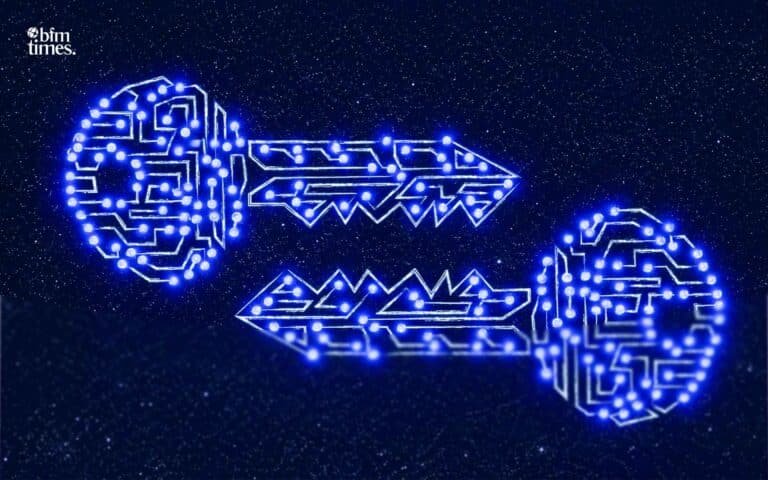
- A quantum computer can easily decipher private keys from public addresses, making blockchains useless.
XRP Plans Quantum-Resistant Chain
XRP has been reported to test quantum security with a novel solution called Dilithium Cryptography, which ensures that the current practice of using private keys for signing blockchain transactions (based on Elliptic Curves) is replaced securely with Lattice Cryptography, a protocol known to be quantum-resistant.
What is Dilithium Cryptography?
Dilithium Cryptography is a quantum-proof signing protocol that allows users to sign their transactions with the highest level of security. It is one of only three post-quantum algorithms standardized in current cryptography, the others being FALCON and SPHINCS+.
Dilithium Cryptography uses multidimensional mathematical noise in the signature to hide the private key of a blockchain address. Since quantum computers are inept at solving high entropy problems (i.e, chaos), it prevents them from deciphering the private key of the address.
Most signature algorithms these days rely on technology that could be easily deciphered with quantum computers. One example is the ECDSA, which uses elliptic curves, a protocol that could be deciphered with trial and error, something that quantum computers excel in.
Bitcoin uses ECDSA.
Current State of Quantum Resistance in Blockchains
As quantum computers become more mainstream, several blockchains are moving their technology towards quantum resistance. Among the top quantum-resistant chains, Algorand stands out. Top blockchains, on the other hand, appear way too distant from Bitcoin, expecting a 5 to 10-year implementation window.
Bitcoin currently uses ECDSA, a signing protocol that is currently safer due to the lack of quantum computer proliferation, but might not remain so in the coming decade.
Ethereum, on the other hand, has not even planned a quantum-resistant hard fork. It has to implement Verkle Trees for its decentralization, much before it can move towards quantum resistance.
This gives XRP the much-needed headstart it needs.
Disclaimer: BFM Times acts as a source of information for knowledge purposes and does not claim to be a financial advisor. Kindly consult your financial advisor before investing.