


The world of blockchain gaming has opened exciting new possibilities for players. We see one major hurdle that stands in the way of mass adoption. It is gas fees in blockchain games that can be frustratingly expensive & confusing for newcomers. This means these transaction costs can quickly add up & eat into your gaming budget. They show why understanding how these fees work is crucial for any Web3 gamer. The guide will help you move through the complex world of gas fees.
- What Are Gas Fees in Blockchain Games?
- How Do Ethereum Gas Fees Impact Gaming?
- What Are Low Gas Fee Blockchains for Gaming?
- How Do Different Blockchain Networks Compare for Gaming?
- What Are Practical Strategies to Reduce Gas Fees?
- What Are Advanced Techniques for Cost Optimization?
- What Is the Future of Gas Fees in Blockchain Gaming?
- Conclusion
Today in this article Users will understand about Gas Fees Explained: How to Reduce Costs in Web3 Games on BFM Times.
What Are Gas Fees in Blockchain Games?
The gas fees are the transaction costs paid to the blockchain networks. We see that they reward validators or miners for handling your transactions. It means every action you take in a blockchain game needs a fee. This includes buying of items & trading NFTs & even claiming the rewards.
The idea of gas fees works like shipping costs for online purchases you did. We know that the blockchain network charges you to move your digital assets safely. It shows that the different networks have different fee systems & their own price rules. They explain how demand on the network directly affects and then it shows you how much you have to pay.
The time when many people use the network at once causes fees to spike fast. Users have noticed that during the quiet periods you can save real money on the transactions. It shows that the blockchain gaming transaction fees vary a lot across different platforms. They show that the Ethereum has charged higher fees than many other options available.
How Do Ethereum Gas Fees Impact Gaming?
The Ethereum network hosts many of the popular blockchain games & NFT collections. We know that the Ethereum gas fees and the gaming costs can be very expensive. It shows that during busy times one transaction can cost $20 or even more. This makes playing games with many actions very hard for the casual players.
The Ethereum network uses a bidding system for the transaction priority. We see that the users can pay more fees to get their confirmation faster. It creates a space where prices can rise very fast. They show popular NFT drops or game launches that also cause huge fee jumps.
What Is the Anatomy of Ethereum Transaction Costs
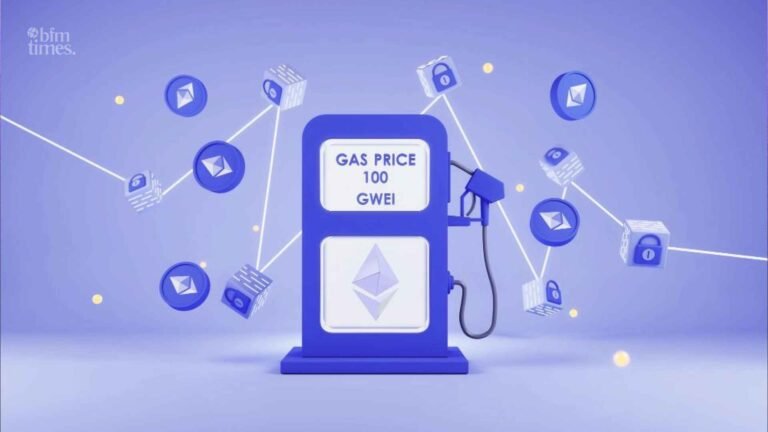
The Ethereum system calculates the fees using a unit called gwei. We know one gwei equals 0.000000001 ETH which is a very small part of Ethereum. It shows your total fee depends on how complex your transaction is. This means the more complex smart contract actions need more computing power which means more fee.
The base fee changes based on how busy the network is. We can add a priority fee to speed up our processing. It shows that knowing this system helps you choose better timing. Users should check the current gas prices before acting to save money.
What Are Low Gas Fee Blockchains for Gaming?
The good news is that options to Ethereum exist everywhere. We see low gas fee blockchains rise to fix cost issues. It shows these networks handle the transactions for cents not for dollars. This makes blockchain gaming open to everyone no matter the budget of the user.
The Polygon network is one of the most popular low cost options for users. We see it offers fast transactions with very low fees often under one cent. It helped many big games move to Polygon or support it. They explain that the experience feels smooth without any of the money barriers.
The Immutable X network focuses on NFT gaming with zero gas fees. We see that the players pay nothing for minting & trading & moving game items. It shows that the platform uses smart tech to reach this. In the last year many many popular gaming projects have been moved to the platform.
How Do Different Blockchain Networks Compare for Gaming?
| Blockchain | Average Gas Fee | Transaction Speed | Gaming Ecosystem |
| Ethereum | $5-$50 | 12-15 seconds | Large, established |
| Polygon | $0.01-$0.10 | 2-3 seconds | Rapidly growing |
| Immutable X | $0 | Instant | Gaming-focused |
| BNB Chain | $0.10-$0.50 | 3 seconds | Diverse games |
| Arbitrum | $0.20-$2 | 1-2 seconds | Expanding quickly |
| Solana | $0.0001-$0.01 | Sub-second | Fast-growing |
The choice of network gives different benefits for different gaming styles. Users should think about their gaming habits when choosing a chain. It shows us that some games run across many chains & give flexibility to the user.
What Are Practical Strategies to Reduce Gas Fees?
The timing of transactions can bring big savings fast. We know that the gas fees in the blockchain games change daily or weekly. It has been seen that the weekends often have lower use & the fees are generally cheaper. This means that the late night hours in some of the regions can also be very cheaper.
The use of gas tracking tools can help the users in finding the best times. We see that there are many websites & apps that show live gas prices of these networks. It means alerts can tell you when fees drop below your desired target. This habit daily can lower the costs a lot over time and you can save a lot.
How Do Layer 2 Solutions Help Reduce Gas Fees?
The Layer 2 networks sit on top of the blockchains like Ethereum. We see they handle actions off the main chain & then bundle the results. It shows this lowers costs while keeping the security. They include Optimism & Arbitrum & zkSync.
The platforms keep Ethereum security with fast, cheap actions. We see many new games now launched on Layer 2 by default. It means moving assets needs a one time bridge fee. This cost is small compared to long term savings of the users.
What Are Advanced Techniques for Cost Optimization?
The setting of custom gas limits stops extra payment for simple transactions on its own. We see most wallets suggest gas limits based on simple guesses of transaction needs. It is common that these suggestions include extra safety space & that adds more cost. This allows skilled users to lower limits by hand for normal transactions in a safe way.
These users should study the usual gas needs for each game transaction type. They often find helpful details in community forums & Discord servers that share best gas settings. The process should start carefully & then move lower as confidence grows. We must never set gas below the minimum need or the transaction will fail.
How Do Gas Fee Refunds Work?
The system sometimes uses less gas than the amount you set at the start. We see that in such cases the unused gas amount goes back to your wallet. It happens on its own with no action needed from you. This clear idea helps you set correct gas limits with confidence.
They should note that failed transactions still use gas fees & these fees never return. The situation makes it important to make sure transactions have enough gas. We must balance saving gas & making sure the transaction works based on how important it is. It is best to use higher gas limits for important actions to make sure they succeed.
How Do You Choose the Right Wallet for Fee Management?
The wallet choice affects the gas fee control strongly. We see that the advanced wallets offer custom settings & fee tools. It shows MetaMask & Rainbow & Rabby give strong features. They show live network data & smart fee tips.
The wallets can route these actions through any of the cheaper paths. We see that they compare networks & suggest low cost options. It removes the manual work for the users. They make blockchain gaming easier for new users.
How Do Mobile Wallets Improve Gas Efficiency?
The mobile wallets often have simple gas controls. We see they hide tech details & keep savings. It shows the Coinbase Wallet & Trust Wallet suit for most of the mobile gamers. They give alerts when the gas prices drop.
The cross chain wallets allow easy network switching. We see this lets players pick the cheapest option. It shows assets can stay across chains in one place. They explain the ease alone makes them worth using.
What Is the Future of Gas Fees in Blockchain Gaming?
The tech progress keeps pushing gas fees lower. We see that the Ethereum upgrades aim to cut costs. It shows new systems & scaling tools appear often. They point toward the cheaper blockchain gaming.
The gas free gaming model is becoming very common. We see that the projects pay fees for players. It removes the barriers for new users. It shows this model may become normal soon and would be adapted by other games too.
Conclusion
At last, we can conclude that the understanding of the gas fees in blockchain games is essential for every Web3 gamer today. These transaction costs do not have to be a barrier to enjoying blockchain gaming. This choosing of low gas fee blockchains & careful timing of transactions helps the users in lowering the costs in a big way. These methods include batching transactions & using Layer 2 solutions & picking the right wallet which all help with saving money.
We see that the transaction fees change very fast. The new tools & the platforms keep coming with better cost setups for the players. Users should stay aware of gas fee savings ideas & new solutions that help you stay prepared. These strategies from this guide help the users handle gas fees with confidence. This shows that your blockchain gaming experience can stay fun & financially balanced in the future. The future of gaming is decentralized & now you are ready to take part in it at a fair cost.
Disclaimer: BFM Times acts as a source of information for knowledge purposes and does not claim to be a financial advisor. Kindly consult your financial advisor before investing.