ICOs have become an effective mechanism of funding projects in the cryptocurrency boom; however, the Fake ICO has become one of the most widespread types of crypto investment scams, as it opens the door to the Fake ICO. A Fake ICO is a scammy token sale that aims at raising investor capital and vanishes without providing a legitimate product or service. Such regulators as the U.S. Securities and Exchange Commission (SEC) have already warned on multiple occasions that ICO fraud has cost millions of dollars for people around the world. Investors must be aware of the significant risks involved in the ICOs. As suggested by the SEC Investor Bulletin on ICOs.
- What is the Anatomy of a Crypto ICO Scam: Fake ICO Projects work
- Marketing and Artificial Urgency with FOMO.
- Vows of a Non-technological or Non-evidential Character.
- Exit Strategy: taking off with Investor Money
- ICO Red Flags: The Important Red Flags to watch in a Fake ICO.
- Fake Credentials or Anonymous Teams.
- Guaranteed Returns or Unrealistic Returns.
- Copied or Diluted Whitepapers.
- Absence of Regulatory Openness.
- How to Identify Scam ICO Projects Using Professional Due Diligence
- Confirm Legal and Regulatory Filings.
- Technical Development and GitHub Activity Analysis.
- Measure Community Authenticity.
- One of the ICO red flags is artificial social proof.
- How to Act in Case You Find a Fraudulent Sale of Tokens.
- Frequently Asked Questions
- Women Investors: Avoid Fallacies in ICO Investment Scams.
Most fraudulent token sale missions confuse investors with empty promises, nonexistent teams, and other deceptive information. It is now necessary to know how to spot scam ICO projects, which any crypto investor needs to know.
Related: Crypto Scams 2026: Avoid These 10 Dangerous Frauds
What is the Anatomy of a Crypto ICO Scam: Fake ICO Projects work
The majority of the crypto ICO scam schemes have a model that is easy to follow and fool the psychology of the investor, taking advantage of the anonymity of the blockchain.
Marketing and Artificial Urgency with FOMO.
Urgent techniques used by the fraudulent token sale promoters include:
- “Limited presale ending soon.”
- “Only hours left to invest.”
- “The early investors are assured of a payout.”
This technique generates the feeling of not wanting to be left behind and the urge to invest without taking adequate background investigation.
Vows of a Non-technological or Non-evidential Character.
A Fake ICO usually promises to create groundbreaking blockchain applications but offers no product, no testnet, and no code. The project is in the form of a site and advertising campaign.
There are several ICO-related fraud cases that have been shut down by the SEC because the projects have raised millions without providing actual technology.
Exit Strategy: taking off with Investor Money
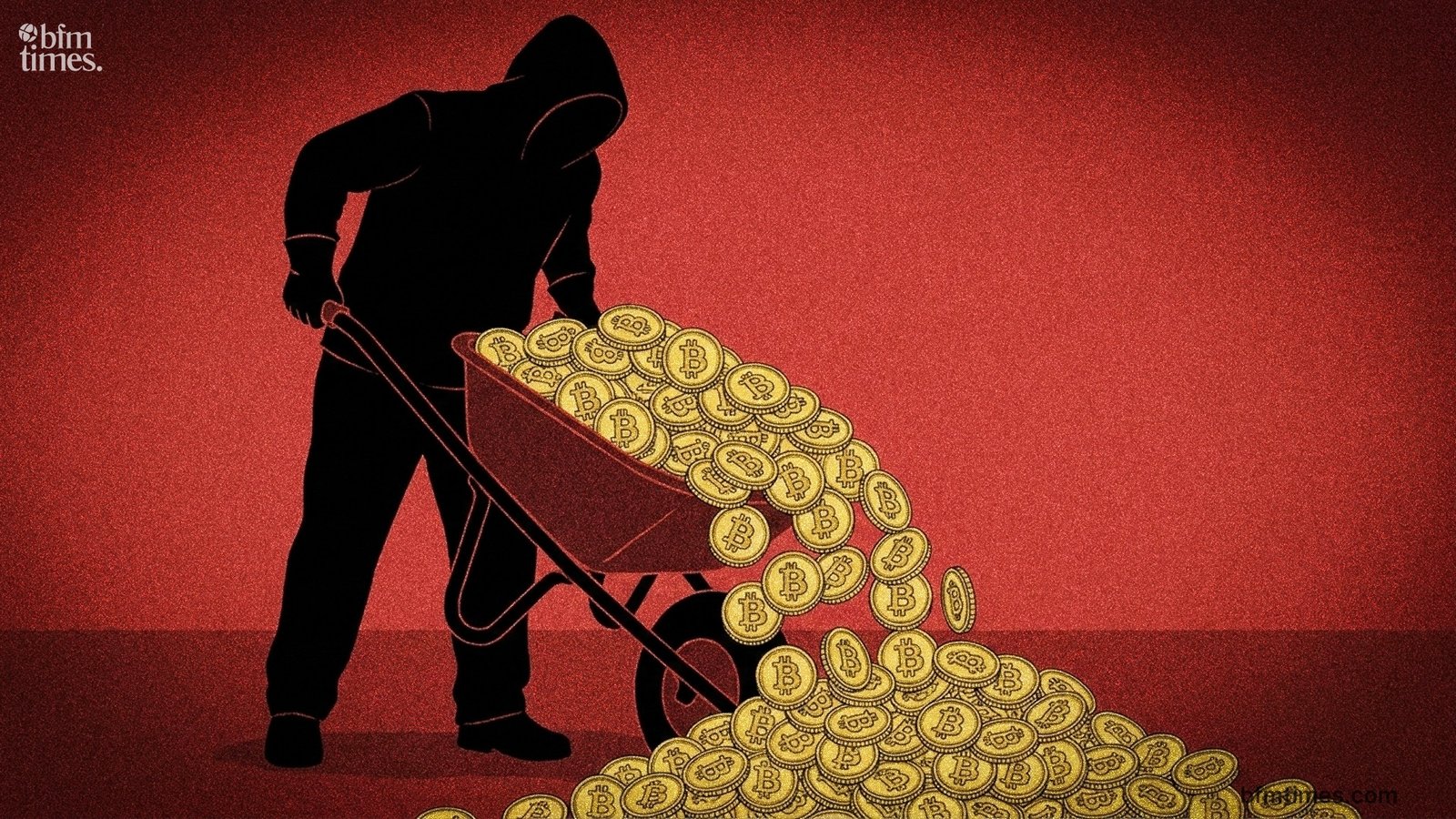
As soon as money is received, fraudsters send cryptocurrency to anonymous wallets and vanish forever. Because of the impossibility of the blockchain to undo the transaction, it becomes close to impossible to recover it.
That is why crypto investment fraud in the form of the ICO is still very efficient.
Suggested: What Investors Look for in Web3 Gaming Startups
ICO Red Flags: The Important Red Flags to watch in a Fake ICO.
The quickest method to consider ICO red flags is to spot a scam ICO project before investing in it.
Fake Credentials or Anonymous Teams.
A genuine crypto venture possesses open leadership. Warning signs include:
- No LinkedIn profiles
- Fake profile photos
- No verifiable work history
- No conference appearances
Always check the team separately. One of the significant Fake ICO signs is called anonymous leadership.
Guaranteed Returns or Unrealistic Returns.
It is not right to invest with assurance of profit. Claims like
- “Guaranteed 10x returns.”
- “Risk-free investment”
- “Assured passive income”
- are red flags to a crypto ICO scam.
The SEC indirectly cautions that assured returns are among the most prevalent signs of fraud.
Copied or Diluted Whitepapers.
The whitepaper covers the technology, utility of the tokens, and roadmap of the project. Fake ICO whitepapers often
- Clone Ethereum or any other projects.
- Be obscure technical specifications.
- Implementation of the lack.
Check Google on the suspicious whitepaper phrases to confirm originality.
Such a poor whitepaper is a good indication of a sham token sale.
Absence of Regulatory Openness.
Legitimate projects abide by the disclosure requirements and offer legal records.
You may check filings through the SEC EDGAR database
A project that is purporting to be a regulatory-compliant project but has no filings can be a Fake ICO.
The ScamSmart portal of the UK Financial Conduct Authority also provides a warning about the risk of crypto ICO scams.
How to Identify Scam ICO Projects Using Professional Due Diligence
Professional investors depend on systematic verification procedures in order to evade Fake ICO traps.
Confirm Legal and Regulatory Filings.
Confirm account official records with:
- SEC EDGAR database
- Corporate registries
- Regulatory disclosures
In the event that there is a lack of legal documentation, consider it a high-risk project.
Accountability and protection of the investors are given in regulatory filings.
Technical Development and GitHub Activity Analysis.
Active development of real blockchain projects is observed.
Check for:
- Public GitHub repository
- Frequent updates
- Developer activity
- Strength testnet or prototype.
Less than fully populated stocks suggest a crypto ICO scam.
Technology should not merely be a marketing statement.
Measure Community Authenticity.
Project legitimacy is expressed through community involvement.
Communities that are healthy have:
- Technical discussions
- Developer interaction
- Transparent updates
The scammers will often resort to the use of fake followers, spam, and bots to fake ICO communities.
One of the ICO red flags is artificial social proof.
Confirm Partnerships and Claims.
Most of the time, fraudulent token sale operators boast of having partnerships with large companies.
Partnerships should always be checked with official partner websites or press releases.
Always avoid relying on project claims.
How to Act in Case You Find a Fraudulent Sale of Tokens.
In the case of a Fake ICO, the sooner damage can be minimized and you save people.
Do not Have any More Contact.
Do not send money or make contact with unsound projects.
With even better attacks, scammers can attempt to fool you once again.
Report the Scam to the Regulators.
Report crypto investment fraud to:
- SEC Whistleblower Program
- FCA ScamSmart
- Local financial regulators
Reporting aids in investigations and the prevention of additional fraud by authorities.
Warn the Crypto Community
Security is enhanced through sharing information.
Trust platforms should be used as follows:
- Crypto research forums
- Blockchain communities
- Forums of discussion between public investors.
The effectiveness of scams decreases due to community awareness.
Related: Is Cryptocurrency Safe in 2026? Smart Investing Tips & How to Avoid Crypto Scams
Frequently Asked Questions
What is a fake ICO in crypto?
A fake ICO is a fraudulent token sale designed to steal investors’ funds without delivering a legitimate project or product.
How can I identify a fake ICO in 2026?
Warning signs include anonymous teams, unrealistic profit promises, no verified whitepaper, and lack of third-party audits.
Women Investors: Avoid Fallacies in ICO Investment Scams.
The emergence of blockchain innovation has also intensified the occurrence of Fake ICO scams for investors around the world. These schemes of selling tokens are fraudulent and take advantage of urgency, anonymity, and unrealistic promises to steal money.
To safeguard themselves, investors should pay attention to the most important verification procedures:
- Check team credentials and identities.
- Confirm regulatory filing and disclosure.
- Check the originality of the whitepaper and technical depth.
- Analyze the development progress and activity of GitHub.
- Shy of promised returns.
Due diligence and thorough research are the best protection against a Fake ICO. With regulators tightening the screws, the best safeguard is that of investor awareness. Always verify everything on your own before investing in any ICO, since avoiding a Fake ICO in the present will secure your financial future in the future.
Disclaimer: BFM Times acts as a source of information for knowledge purposes and does not claim to be a financial advisor. Kindly consult your financial advisor before investing.