


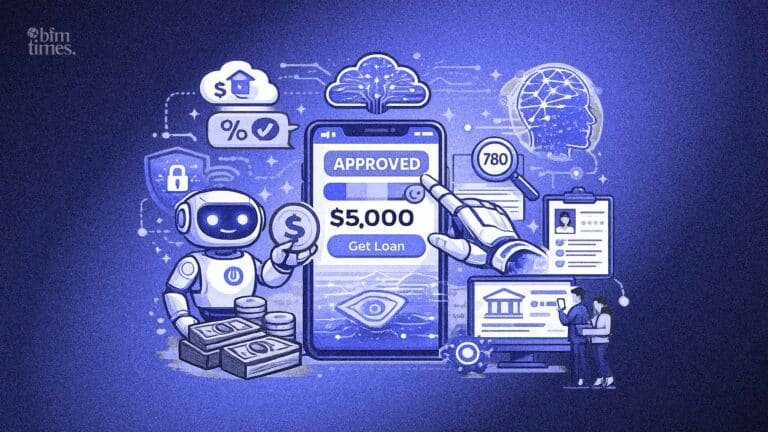
From 5-Day Approvals to 5-Minute Loans: The Rise of Digital Lending
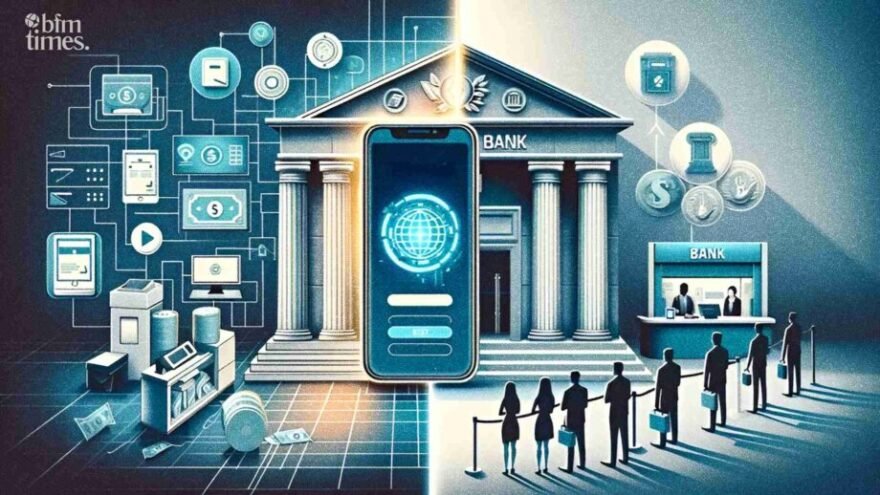
There was a time when getting a loan meant paperwork, branch visits, and waiting anxiously for days, sometimes weeks, for approval. The traditional banking model was more manual in verification, strict in credit scorecards, and manual in underwriting. It was tedious, costly, and mostly discriminatory.
- From 5-Day Approvals to 5-Minute Loans: The Rise of Digital Lending
- What Happens When You Apply for a Loan on an App?
- 1. User Input & Data Capture
- 2. Document Upload & OCR Processing
- 3. Instant Data Verification
- 4. Credit Assessment & Risk Scoring
- 5. Loan Decision & Disbursal
- AI Credit Scoring: How Apps Decide If You Get a Loan
- AI Underwriting: The Brain Behind Instant Loan Approvals
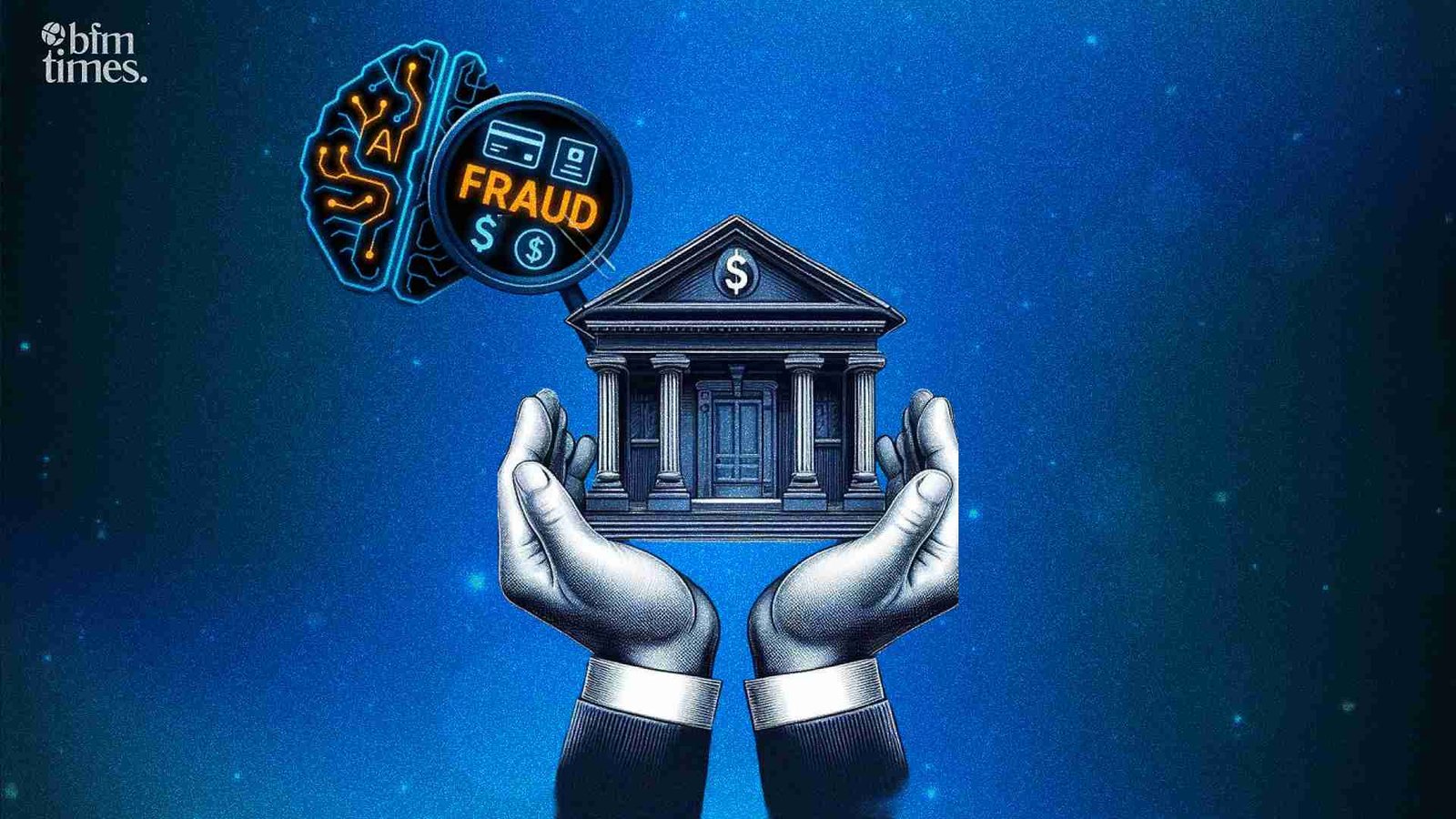
- AI Fraud Detection: How Apps Prevent Fake Loan Applications
- The Role of AI Learning Analytics in Lending Decisions
- Why Digital Lending Apps Are Approving More People Than Banks
- How AI Makes Instant Loan Apps So Fast
- Where AI Lending Still Falls Short
- The Future of Digital Lending: Fully Automated Finance?
- AI is Quietly Rebuilding the Lending Industry
- Frequently Asked Questions
Then came digital lending.
Once smartphones, APIs, and cloud computing began to emerge, instant loan apps reimagined lending as an app-based experience that is seamless. However, digital lending infrastructure is not the only driver of this change; it is the AI lending.
It has reduced the loan acceptance period from days to minutes using artificial intelligence. AI models today process thousands of data points in real time and provide decisions near instantly, as opposed to a loan officer having to review your profile manually.
It is not only a matter of speed but also the redefinition of the concept of creditworthiness.
What Happens When You Apply for a Loan on an App?
From a user’s perspective, applying for a loan feels simple. But behind that clean interface is a complex AI-driven pipeline working in milliseconds in digital lending.
We will go through it one step at a time:
1. User Input & Data Capture
You enter basic details like name, PAN, income, and employment type, and grant permissions (like SMS or bank access).
Behind the scenes:
AI systems start unstructured (raw) data formatting into usable formats instantly.
2. Document Upload & OCR Processing
You post documents such as Aadhaar, PAN, or salary slips.
AI in action:
In seconds, Optical Character Recognition (OCR) gets text, authenticates, and cross-checks inconsistencies.
3. Instant Data Verification
Identity and financial information are validated through APIs that are interrelated with databases.
AI layer:
AI models identify mismatches, evaluate credibility, and identify anomalies in real time.
4. Credit Assessment & Risk Scoring
This is where the actual decision-making commences.
AI analyzes:
- Transaction history
- Spending patterns
- Device behavior
- Repayment capacity
Within seconds, a risk score is generated.
5. Loan Decision & Disbursal
The loan is credited nearly instantly in the event of approval.
Entire backend powered by:
- AI underwriting
- Automated workflows
- Real-time decision engines
Thousands of AI models work at the same time on what you might consider a 3-minute process.
AI Credit Scoring: How Apps Decide If You Get a Loan
Traditional credit scoring systems depend on past financial conduct, which includes credit cards, EMIs, and repayment history. But what if you have never borrowed money before?
That’s where AI credit scoring changes the game.
Traditional vs AI Credit Scoring
Traditional systems:
- Limited to credit bureau data
- Binary decision-making
- Excludes first-time borrowers.
AI-based systems:
- Use alternative data sources
- Dynamic scoring models
- Inclusive by design sign
What Data Does AI Actually Use?
AI models are much more than your CIBIL score. They analyze:
- Mobile usage patterns (call frequency, recharge behavior)
- App activity and digital footprint
- Bank transaction flows
- Spending habits
- Location consistency
Example:
A user with stable spending and consistent income patterns, even without a credit history, may still qualify for a loan.
Why This Matters
AI does not simply evaluate the actions you took, but it forecasts what you are likely to take.
That is the change: historical analysis to future intelligence.
Interestingly, the use of similar predictive models can also be seen in systems like AI student performance, where the data about the behavior is analyzed to predict an outcome, proving how AI can understand patterns across industries.
AI Underwriting: The Brain Behind Instant Loan Approvals
In case credit scoring is the input, AI underwriting is the decision engine.
Underwriting in the conventional mode can be characterized as human judgment, policy checks, and risk assessment. All of this is automated in digital lending applications.
How AI Underwriting Works
- Credit score (traditional + AI-based)
- Risk models
- Lending policies
- Real-time data inputs
They are implemented by rule engines and machine learning models to produce a final decision.
The Core Components
1. Rule Engines
Predefined conditions like income thresholds or age limits.
2. Predictive Models
Machine learning models that estimate default probability.
3. Risk Scoring Systems
Assign a numerical value to borrower risk.
What Makes It Powerful?
AI underwriting does not work by rules; it works by results.
Each repayment, default, or delay becomes a part of the system, and it becomes smarter with time.
This adaptive intelligence is analogous to systems employed in an AI crypto trading bot, where algorithms are constantly improving decisions as market behavior changes. Even when you are looking into automation, you can build AI crypto trading bot models based on similar predictive frameworks.
AI Fraud Detection: How Apps Prevent Fake Loan Applications
It would be unsafe to race at a high speed. This is why AI fraud detection becomes one of the key layers of digital lending.
Fraudsters constantly try to exploit instant loan systems using fake identities or manipulated data. AI counters this with real-time detection mechanisms.
Key Fraud Detection Techniques
1. Identity Verification (eKYC)
AI verifies facial data, document authenticity, and identity consistency.
2. Behavioral Analysis
Unusual typing speed, device switching, or location anomalies can trigger red flags.
3. Pattern Recognition
AI detects fraud patterns based on past cases, like repeated applications from linked accounts.
Real-Time Decisioning
Rather than conducting post-verification, AI notifies suspicious activity immediately, before approving the loan.
Result:
Lower default rates and safer lending ecosystems.
The Role of AI Learning Analytics in Lending Decisions
Continuous learning is one of the most underestimated AI lending aspects.
In this regard, is where AI learning analytics comes in.
What Does This Mean in Lending?
AI systems track:
- Repayment behavior
- Spending consistency
- Financial discipline over time
Using this data, models continuously evolve.
Predicting Future Behavior
AI does not make one decision and move on, but continues to learn.
For example:
- If a borrower consistently repays on time, the risk score improves
- If spending becomes erratic, risk alerts are triggered
Cross-Industry Insight
The idea is similar to the AI learning analytics implementation in the education platform, where systems could follow the learning progress and modify the learning trajectories.
Similar to the application of AI in education, where behavior is used to customize results, digital lending apps apply the same principle to credit access by using financial behavior.
Why Digital Lending Apps Are Approving More People Than Banks
Conventional banks tend to turn away users who do not have a formal credit history. Digital lending applications, which are driven by AI, do so differently.
The Inclusion Factor
AI enables access to:
- First-time borrowers
- Gig workers
- Freelancers
- Informal sector employees
How?
They will analyze alternative data rather than use credit scores alone.
This increases the lending market considerably.
Real Impact
Millions of users who were previously “invisible” to banks are now part of the financial ecosystem.
It is the true digital lending disturbance of the digital world, not speed but availability.
How AI Makes Instant Loan Apps So Fast
The magic is not the speed of instant loan apps, but their architecture.
The Tech Stack Simplified
1. APIs
Connect apps to banking systems, KYC databases, and credit bureaus.
2. Cloud Infrastructure
Handles massive data processing in real time.
3. AI Models
Analyze, predict, and decide within milliseconds.
Real-Time Processing
Millions of data points are analyzed at the same time:
- Identity validation
- Risk scoring
- Fraud checks
All within seconds.
Why It Works
Since all is automated, parallelized, and AI-driven.
Where AI Lending Still Falls Short
Despite its advantages, AI lending isn’t perfect.
Key Challenges
1. Bias in Models
AI can inherit biases from historical data, leading to unfair decisions.
2. Data Privacy Concerns
Access to personal data raises serious privacy questions.
3. Over-Reliance on Automation
Lack of human oversight can lead to incorrect decisions.
The Balance
Automation and accountability are the keys that determine the future of digital lending.
The Future of Digital Lending: Fully Automated Finance?
We are headed to a world where lending would become invisible.
What’s Next?
1. Embedded Finance
Loans integrated directly into apps, shopping, travel, etc.
2. AI-First Lending Platforms
No manual intervention at all.
3. Predictive Credit Systems
Loans offered before you even apply.
The Bigger Shift
AI will transform lending into more of an active practice.
AI is Quietly Rebuilding the Lending Industry
AI is not only accelerating lending; it is reinventing it.
AI credit scoring, AI underwriting, and AI fraud detection: every component of digital lending is now being propelled by smart systems.
The result?
- Faster approvals
- Wider access
- Smarter risk management
However, even more fundamentally, the actual consequence is inclusion, including millions of people in the financial sector that were once locked out.
Digital lending, powered by AI, isn’t just innovation; it’s a structural shift in how the world accesses credit.
Frequently Asked Questions
How does AI work in digital lending apps?
AI analyzes user data, predicts creditworthiness, and automates loan approvals in real time using machine learning models and decision engines.
Are AI-based instant loan apps safe?
Yes, most apps use AI fraud detection, encryption, and real-time monitoring systems. However, users should always choose trusted platforms.
Can I use digital lending without a credit score?
Yes, AI-based lending uses alternative data like spending behavior, mobile usage, and transaction history to assess eligibility.
How fast are AI-powered loan approvals?
Many digital lending apps approve loans within minutes, thanks to automated AI systems and real-time processing.
What is AI credit scoring?
It is a system where machine learning models evaluate creditworthiness using real-time data, behavioral patterns, and alternative financial indicators.
Disclaimer: BFM Times acts as a source of information for knowledge purposes and does not claim to be a financial advisor. Kindly consult your financial advisor before investing.