


The gaming world is changing very fast. Developers are now building even bigger & better games. They need smarter tools to keep up with the pace to get it done. AI for game design is now at the center of this shift. It helps the teams work faster & to create richer experiences for the users. This is not just a trend. It is a full transformation of how games are built from start to finish.
- What Is AI for Game Design & How Does It Work?
- Why Are AI Game Design Tools Taking Over the Industry?
- How Is AI in Game Creation Changing Studios Today?
- How Does Game Design Automation AI Save Time at Scale?
- Which AI Game Development Tools Are Leading in 2026?
- How Is AI Gaming Design Improving the Player Experience?
- What Are the Real Challenges of Using AI in Game Development?
- How Fast Is AI Adoption Growing Across the Gaming Industry?
- Conclusion
- Frequently Asked Questions
In this article, readers will gain insights into how AI for Game Design Transforms Development featured on BFM Times.
What Is AI for Game Design & How Does It Work?
The term might sound technical, but it is actually simple to understand. AI for game design means using intelligent software to help build games. It covers tools that create content & then test gameplay. It also covers systems that make the characters feel alive. These tools do not replace any of the human creativity. They boost it.
The Unity Technologies team has stated that the generative AI tools are expected to boost game development productivity overall by 5 to 10 times. This happens not by replacing humans but by freeing them to focus on ideas and executing them.
Why Are AI Game Design Tools Taking Over the Industry?
Studios of all sizes are now using AI game design tools. The adoption numbers tell a clear story to everyone.
The Google Cloud study of 615 game developers found that 97% believe that generative AI is reshaping the industry. It also found that 90% are already integrating it into their workflows.
These tools help in many areas. They can create art & the environments. They write dialogue & generate code. They test for bugs & then balance issues. The impact is felt across the entire development pipeline.
It is reported that around 36% of developers are personally using AI for dynamic level design, animation & dialogue writing. This shows that AI game design tools are now core parts of the creative process.
How Is AI in Game Creation Changing Studios Today?
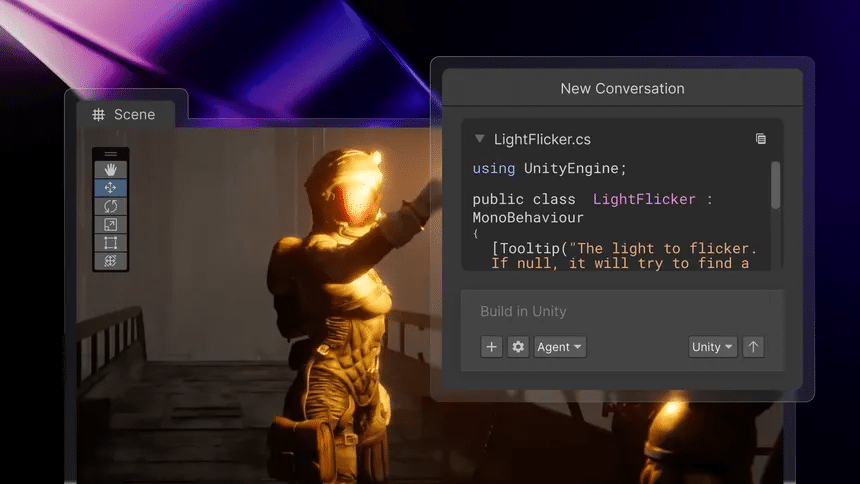
AI in game creation is reshaping how studios operate daily. Teams are now smaller but more productive. It is now possible for a single developer to do what a large team once did.
The biggest shift is in content creation. Worlds that once took months to build now take weeks. Characters that felt flat now feel smart & responsive. This is the power of AI in game creation at work.
It is helping studios by accelerating development through procedural content generation. It enables more immersive & dynamic worlds with intelligent NPCs. It also allows for personalized & adaptive player experiences.
How Does Game Design Automation AI Save Time at Scale?
One of the biggest wins is automation. AI for Game Design automation handles the repetitive work. This frees the designers to focus on what matters most instead of being stuck in the loop.
The technology has performed highly in the automation of repetitive tasks, including asset generation, texture generation & QA testing. These tasks used to take huge amounts of time and resources. They now happen in a few hours. The result is faster release cycles & are better quality games.
Here is a look at key areas where the game design automation AI makes the biggest difference:
| Area of Automation | What AI Does | Time Saved |
| Asset Generation | Creates textures & 3D models | Up to 70% |
| QA Testing | Finds bugs & balance issues | Up to 60% |
| Level Design | Generates maps & layouts | Up to 50% |
| NPC Behavior | Scripts character reactions | Up to 65% |
| Code Writing | Suggests & completes code | Up to 55% |
These numbers show how deeply game design automation AI is changing the production timelines.
Which AI Game Development Tools Are Leading in 2026?
The market for AI game development tools is growing fast. Each tool serves a specific need in the pipeline.
The platform Ludo.ai analyzes the market trends & then suggests game concepts. It also generates matching assets all in one place. It is best suited for any of the indie developers validating ideas & the small studios researching market opportunities.
The tool GitHub Copilot sits inside the code editor as an AI pair programmer. It suggests lines, functions, & the entire code blocks based on the context & comments.
The system, Promethean AI, acts as a creative assistant. It suggests that the assets & places objects. It also learns from the artistic decisions made by the team.
These AI game development tools are not just helpful. They are becoming essential for studios that want to stay competitive.
The team at NVIDIA unveiled new path tracing innovations for visual quality at GDC 2026. They also revealed on-device AI models enabling players to interact in new ways. These enterprise solutions are accelerating game development from the ground up.
How Is AI Gaming Design Improving the Player Experience?
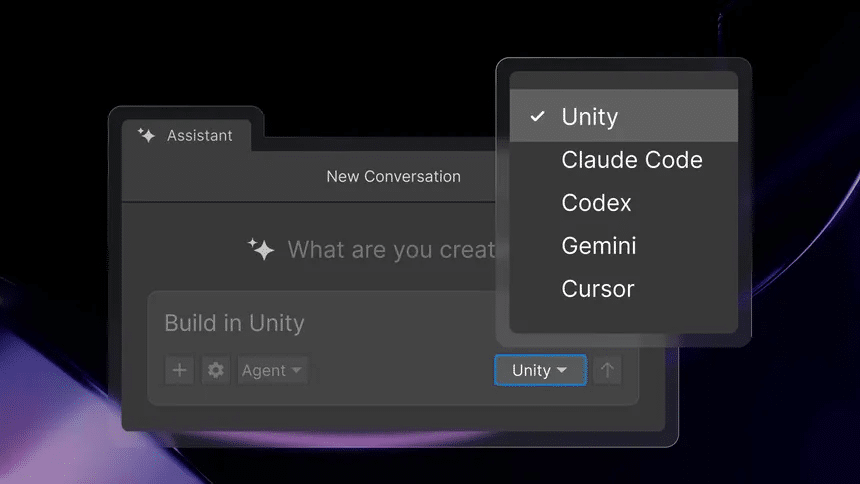
AI gaming design does not just help the developers. It also transforms what players feel when they play. Games are now more personal & are more responsive.
The data shows that players are seeking games that feel more alive & are dynamic. It is observed by around 37% of developers. It is also noted by 34% that players now expect smarter & more adaptive NPCs.
The future of game development in 2026 is defined by dynamic personalization. Real-time behavior systems powered by live data let studios design adaptive journeys that evolve daily.
This means every player can have a different experience. The game adapts to how they play. It adjusts difficulty, rewards & the storytelling in real time. AI gaming design makes this level of personalization possible.
What Are the Real Challenges of Using AI in Game Development?
It is important to be honest about the limits of the AI. AI is powerful, but it is not completely perfect.
The technology cannot fully replace an artist working on art & the animation. It also cannot replace a game designer, testers, or a writer. Automated content tends to lack coherence & it requires extensive human oversight.
The risk is that developers might become overly dependent on AI tools. It can reduce the problem-solving, artistic intuition & the craftsmanship over time.
The best results come from a balance. Humans bring creativity & the vision. AI brings the speed & scale. Together, they all produce the best games.
It is widely agreed that the best results come from using AI as a starting point & not a final solution. Generated assets need more refinement. Suggested code needs human review. AI-designed levels need playtesting by humans.
How Fast Is AI Adoption Growing Across the Gaming Industry?
The future is exciting for anyone in the gaming sector. AI for game design will only get more powerful with time.
The shift toward data-driven innovation is now clear. Procedural generation is expanding with AI crafting infinite variations. Personalization is surging as systems analyze the player habits to tailor the new challenges.
The next step for AI is moving toward systems where NPCs remember player style & previous choices. They will even adapt to the tone of the voice across multiple sessions.
This means future games will truly feel alive. Every character will remember the player. Every world will feel built just for them.
Conclusion
The impact of AI on game design is impossible to ignore. It is reshaping how the games are built, tested, & are experienced. The rise of AI game design tools & the game design automation means every part of the development is changing. Studios that embrace these changes are building much better games in less time. The players are already expecting smarter & more personal experiences. The developers who use AI for game design wisely will be the ones leading the industry forward. Now it is the best time to understand these tools & start using them.
Also Read: Best AI Tools for Teachers to Save Time on Lesson Planning
Frequently Asked Questions
What Is AI for Game Design & How Does It Help Developers?
AI for game design means using intelligent software to support the game-building process. It helps developers create assets & write code. It also helps design levels & test gameplay faster. It does not replace human creativity. It boosts it by handling repetitive tasks & freeing teams to focus on bigger ideas.
Which AI Game Design Tools Are Most Popular in 2026?
The most widely used AI game development tools in 2026 include Ludo.ai for concept generation & market research. They also include GitHub Copilot for AI-assisted coding & Promethean AI for smart asset placement. These tools are helping studios of all sizes build better games in less time.
How Does Game Design Automation AI Save Time During Development?
Game design automation AI handles time-consuming tasks like asset generation & QA testing. It also covers level design & NPC behavior scripting. These tasks once took weeks. They now take hours. The result is faster game releases & higher quality output across the entire development pipeline.
Disclaimer: BFM Times acts as a source of information for knowledge purposes and does not claim to be a financial advisor. Kindly consult your financial advisor before investing.