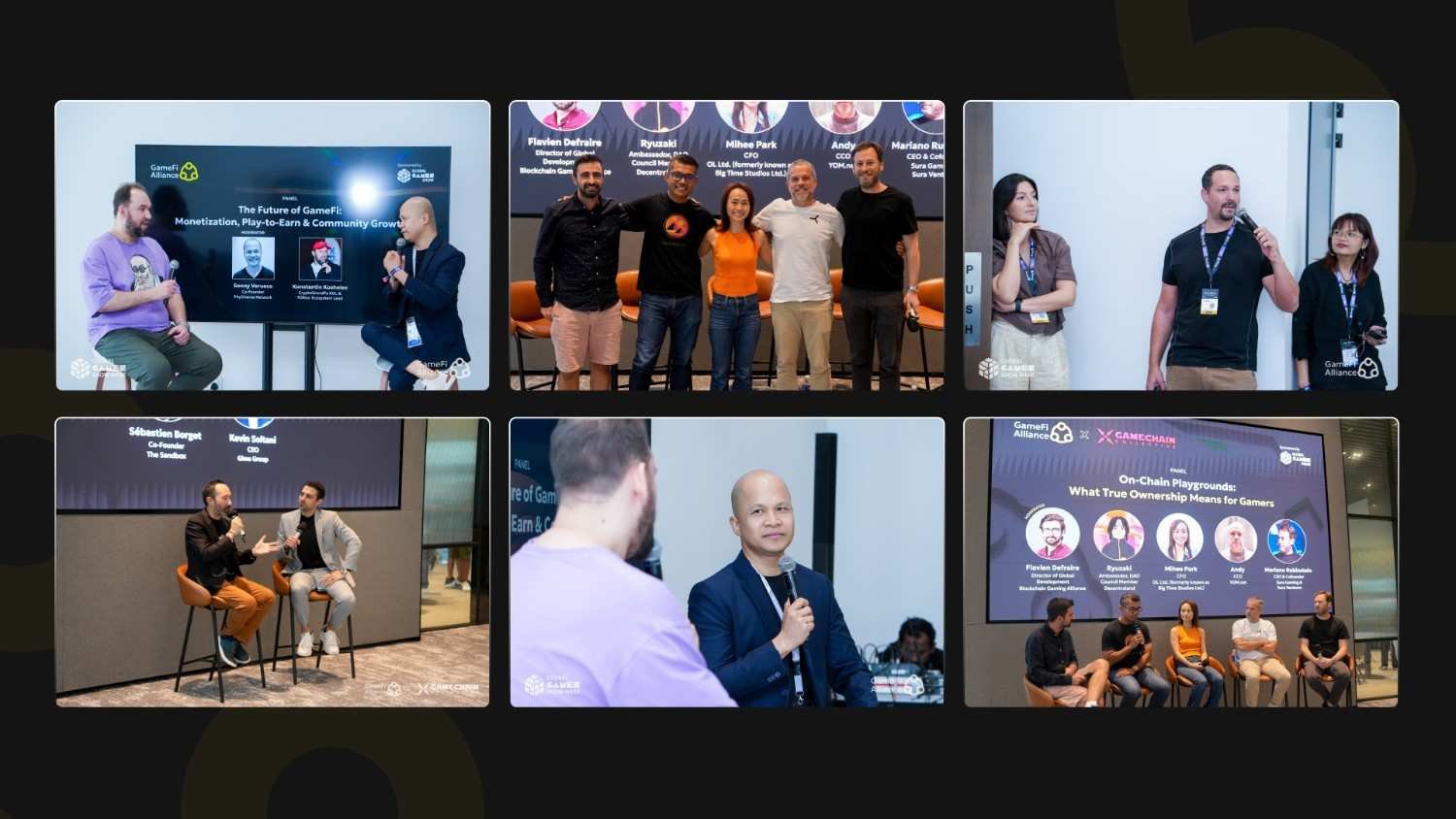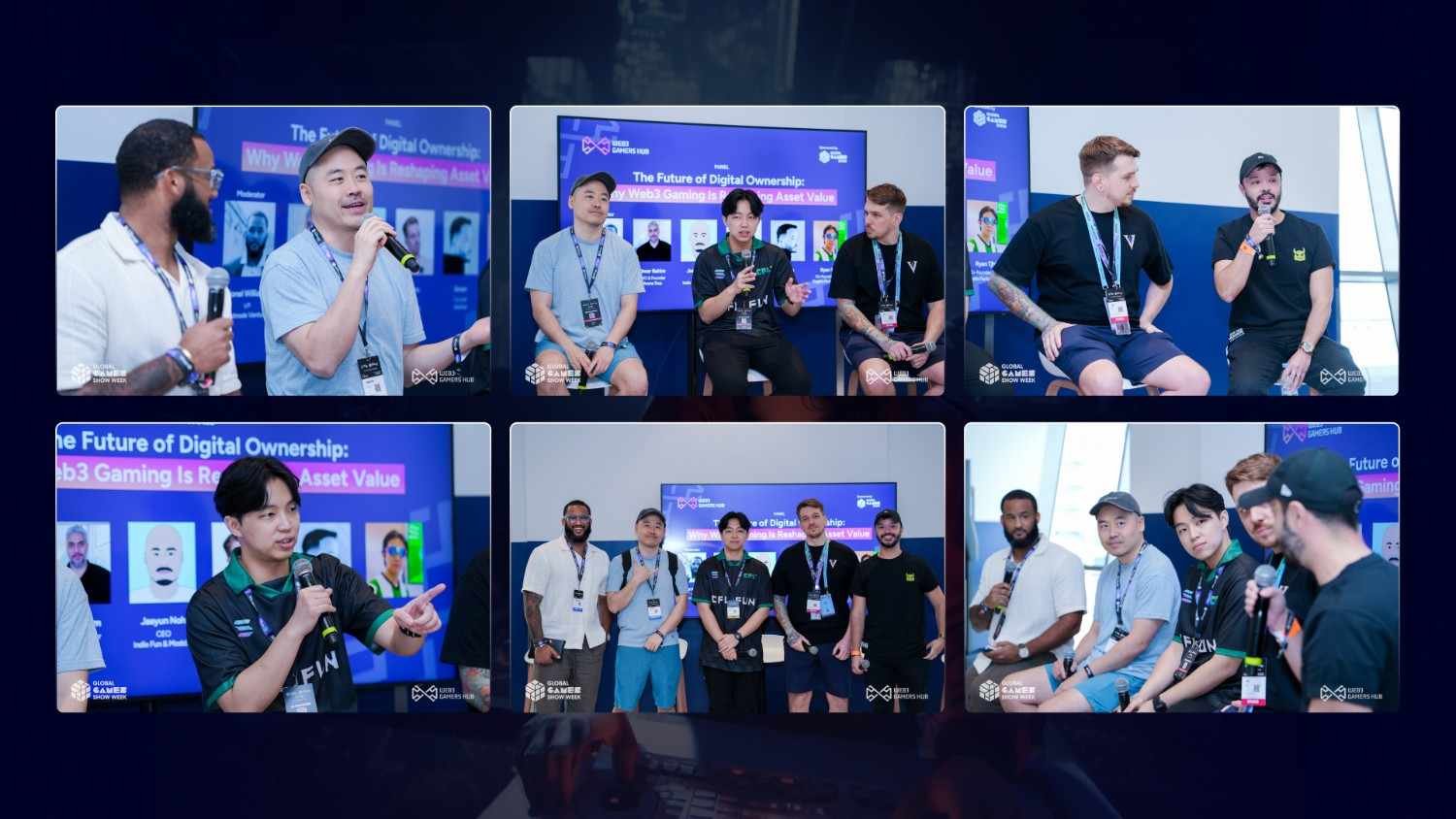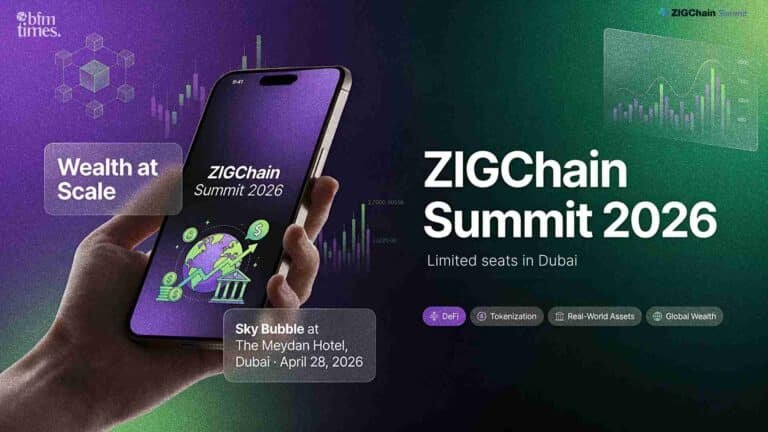
The difference between projects that fade away and those that shape the next phase of Web3 often comes down to one thing, clarity of direction.
- EVM Compatibility: Opening the Doors to the Largest Web3 Ecosystem
- ZIG Markets: The Shift From Infrastructure to Financial Engine
- Institutional Signals: Why Circle’s Presence Matters
- Tokenization and Capital Markets: The Bigger Picture
- An Ecosystem Already Taking Shape
- Bridging Fintech and Web3
- Leadership and Maturity: A Signal of What’s Next
- Where ZIGChain Stands Now
- Final Thoughts
- Frequently Asked Questions
At its latest event, ZIGChain didn’t just share updates. It revealed a roadmap that signals a deeper transformation, one that moves beyond building infrastructure and into owning a piece of the future financial system.
Two announcements stood above everything else. First, the move toward EVM compatibility, and the second, the introduction of ZIG Markets. Together, they don’t just expand ZIGChain’s capabilities, they redefine what the network is aiming to become.
EVM Compatibility: Opening the Doors to the Largest Web3 Ecosystem
The announcement of EVM compatibility, highlighted during the keynote by Bartolome Bordallo, is more than a technical upgrade. It’s a strategic unlock.
For any blockchain, isolation means limitation. Without compatibility, developers need to learn new languages, rebuild the same tools from scratch, and rethink integrations. That slows down adoption.
By aligning with the Ethereum Virtual Machine, ZIGChain removes that barrier.
As highlighted in ZIGChain’s official update on X, the move toward EVM compatibility signals a clear intent to integrate more deeply with the broader Web3 ecosystem, opening doors for developers and applications already familiar with Ethereum-based tooling.
This shift means developers familiar with Ethereum can now build on ZIGChain without starting from scratch. Smart contracts, tools, and frameworks that already exist in the Ethereum ecosystem can be deployed or adapted with minimal friction.
But the implications go beyond developers.
EVM compatibility also connects ZIGChain to a much broader liquidity network. The Ethereum ecosystem is where a large portion of decentralized finance activity happens. By becoming compatible, ZIGChain positions itself to tap into that flow – not just technically, but economically.
ZIG Markets: The Shift From Infrastructure to Financial Engine
If EVM compatibility opens the door, ZIG Markets is what walks through it.
Announced during the keynote by Rafay, ZIG Markets represents a clear move toward building a financial layer on top of the chain.
The announcement, shared by ZIGChain on X, highlights the introduction of ZIG Markets as a key step in expanding the ecosystem beyond infrastructure and into financial applications.
Infrastructure alone doesn’t create value. It enables it. The real opportunity lies in what is built on top, and in this case, ZIGChain is aiming to build a marketplace for capital itself.
ZIG Markets points toward a future where users are not just interacting with decentralized applications, but participating in a broader financial ecosystem that exists entirely on-chain.
Institutional Signals: Why Circle’s Presence Matters
Beyond announcements, the event also offered strong signals about ZIGChain’s positioning within the broader financial ecosystem.
One of the most notable moments came from the fireside chat featuring representatives from Circle.
This discussion, highlighted across ZIGChain’s official channels, reflects growing alignment with institutional-grade financial infrastructure.
As the issuer of USDC, Circle plays a central role in bridging traditional finance and crypto. Its presence indicates a level of alignment with regulated, institutionally accepted systems.
Stablecoins are often the backbone of on-chain financial activity. They provide liquidity, enable trading, and serve as a bridge between fiat and crypto systems. Having alignment with a player like Circle reinforces the idea that ZIGChain is not building in isolation.
Tokenization and Capital Markets: The Bigger Picture
While announcements capture attention, panels often reveal intent. And the final panel on tokenization and capital markets made that intent clear.
The discussion, as reflected in ZIGChain’s event highlights shared on X, focused on how tokenization could reshape capital markets and unlock new forms of liquidity.
Tokenization allows assets, whether real estate, equities, or commodities, to be represented on-chain. This opens up new possibilities for ownership, liquidity, and accessibility.
For ZIGChain, this is not just a narrative to align with. It appears to be a direction to build toward.
An Ecosystem Already Taking Shape
Another important aspect of the event was the spotlight on projects building within the ZIGChain ecosystem.
These sessions, shared via official updates, highlighted real teams actively developing on the network, a key signal of traction rather than just vision.
It’s easy for blockchain projects to talk about future plans. It’s much harder to show actual execution. By showcasing builders, ZIGChain demonstrates that its ecosystem is already in motion.
Bridging Fintech and Web3
The inclusion of leading fintech players such as Beehive, ABHI, Fuze, and Taurus further reinforces ZIGChain’s positioning.
This spotlight session, also shared through ZIGChain’s official updates, emphasizes the convergence of fintech and blockchain infrastructure.
For years, fintech and Web3 have evolved in parallel. Bringing these two worlds closer together is one of the key challenges – and opportunities – of the current phase of the industry.
Leadership and Maturity: A Signal of What’s Next
The announcement of a new CEO for Zamanat adds another layer to the story, signaling organizational growth and evolution.
Leadership changes often reflect preparation for scale, and in this context, it aligns with the broader expansion narrative seen across the event.
Where ZIGChain Stands Now
Taken together, the announcements and discussions outline a clear trajectory.
- EVM compatibility brings developers and ecosystem access.
- ZIG Markets introduces a financial layer designed to capture value.
- Institutional alignment strengthens credibility.
- Tokenization points toward long-term transformation in capital markets.
Final Thoughts
Web3 is entering a phase where execution and positioning matter more than narratives.
ZIGChain’s latest event suggests a clear understanding of that shift.
By combining infrastructure upgrades with financial ambition, and aligning itself with both builders and institutions, ZIGChain is stepping into a more meaningful role within the ecosystem.
If this momentum continues, ZIGChain may not just be participating in the evolution of Web3, it may be helping define how capital moves within it.
Frequently Asked Questions
What is ZIGChain’s shift from EVM compatibility to ZIG Markets?
ZIGChain is moving away from focusing on EVM compatibility to building ZIG Markets, a dedicated financial layer aimed at enabling more specialized, efficient, and scalable financial applications.
Why did ZIGChain decide to move beyond EVM compatibility?
The shift allows ZIGChain to overcome EVM limitations like scalability and generic design, enabling more tailored financial infrastructure and better performance.
What is ZIG Markets and how does it benefit users?
ZIG Markets is a new financial ecosystem layer that offers optimized tools for trading, liquidity, and asset management, improving speed, cost efficiency, and user experience.
Disclaimer: BFM Times acts as a source of information for knowledge purposes and does not claim to be a financial advisor. Kindly consult your financial advisor before investing.