


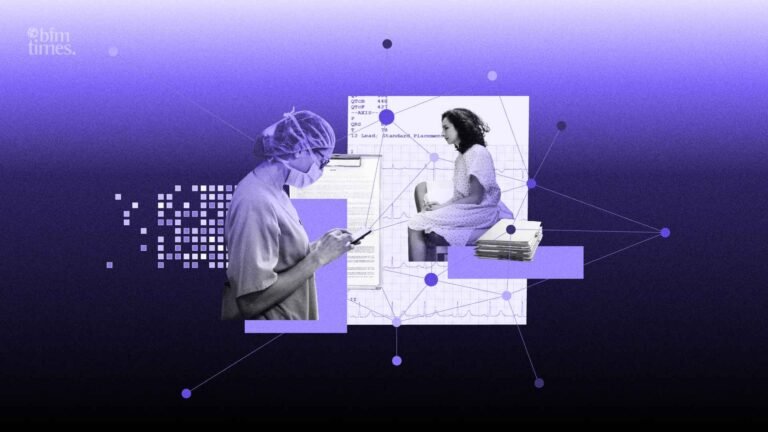
The healthcare system is currently undergoing a significant transformation. What was once the domain of science fiction is now gradually becoming a medical reality as artificial intelligence technology evolves from the exploratory phase to the very heart of the healthcare system around the world. This phenomenon of the convergence of high-speed computing power, extensive data sets, and advanced algorithms is creating a paradigm shift in the way the diagnosis, treatment, and management of human health are being approached. In the modern medical era, artificial intelligence in the healthcare system is not just a peripheral phenomenon but the very basis of modern medicine.
- The Dawn of AI Medical Technology: A New Diagnostic Gold Standard
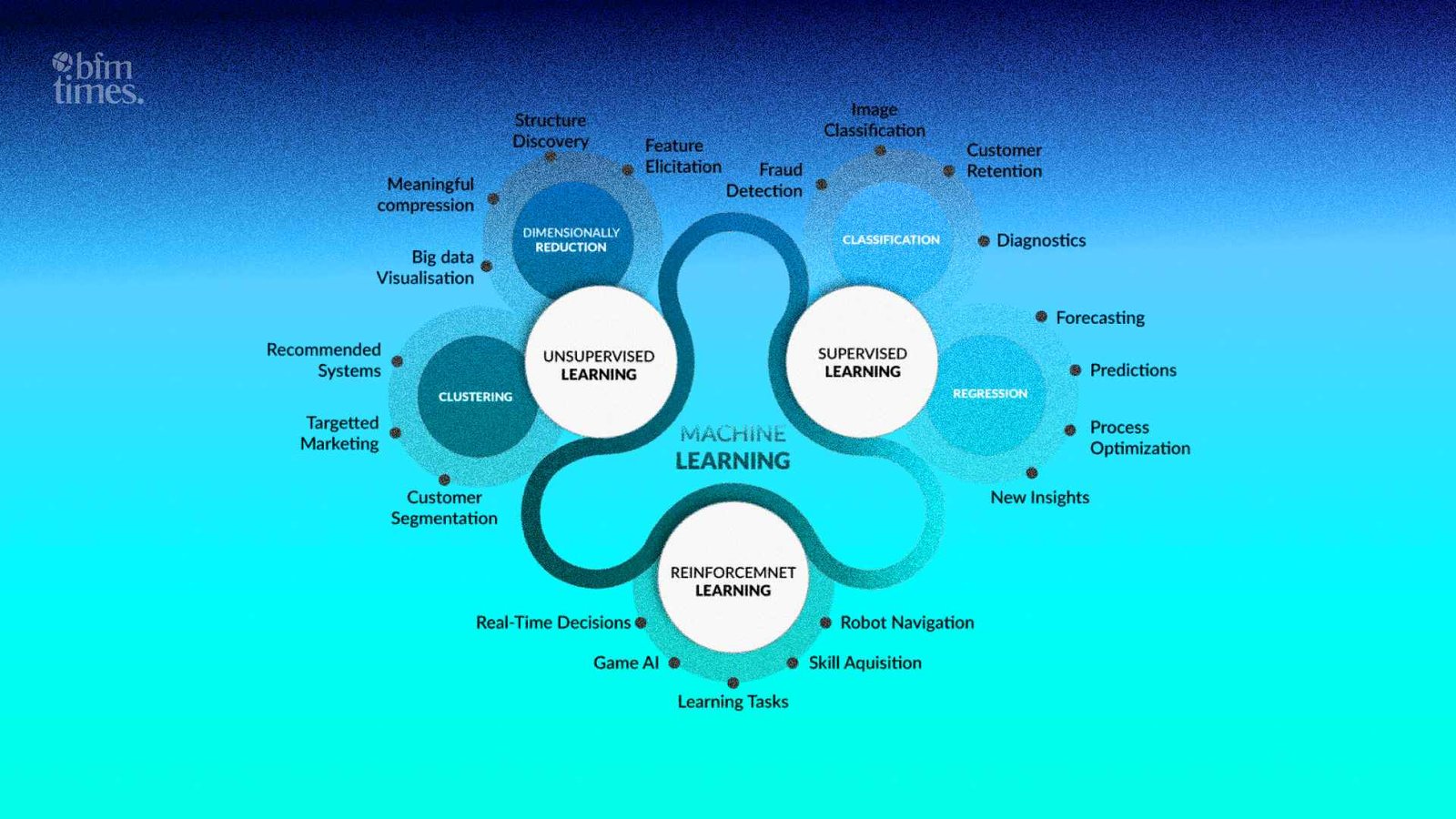
- Machine Learning Healthcare Industry: The Rise of Personalized Medicine
- AI Healthcare Innovation in Drug Discovery
- Healthcare AI Solutions for Operational Efficiency
- The Evolution of Robotic Surgery
- Remote Patient Monitoring and Wearable Integration
- AI and Mental Health: Expanding Access
- Overcoming the Challenges: Ethics, Bias, and Data Privacy
- The Human-AI Partnership: The Future of Medicine
- Conclusion
Furthermore, the global artificial intelligence in the healthcare system is expected to reach $45.2 billion by 2026, marking an unprecedented pace of adoption of the said technology. This is because the system is currently facing a critical challenge in dealing with the aging population, the increase in the incidence of chronic diseases, and the lack of medical professionals in the system.
Also Read: AI vs Traditional Healthcare: How Medical Technology Is Changing
The Dawn of AI Medical Technology: A New Diagnostic Gold Standard
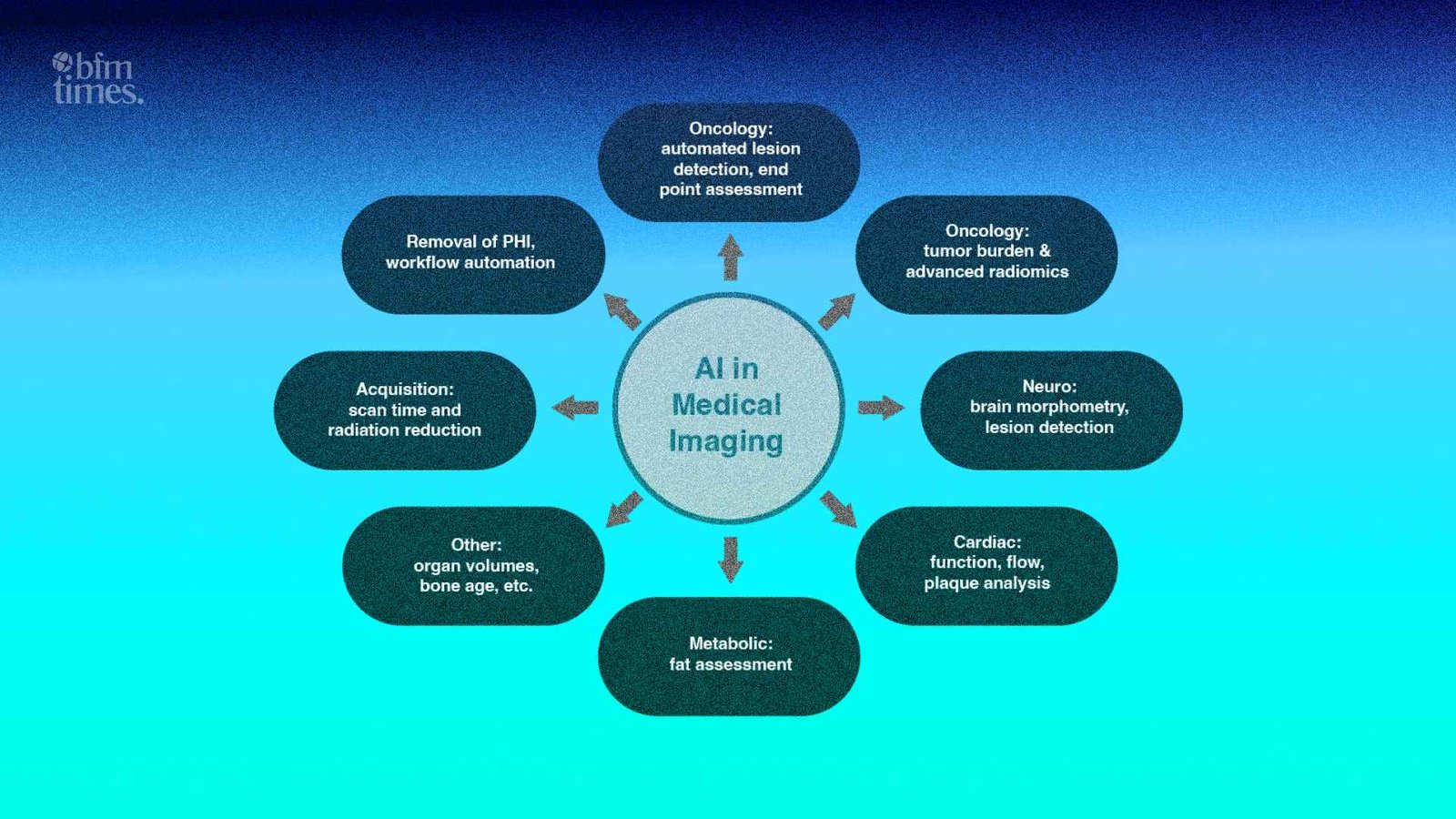
The first and most obvious change that has occurred as a result of the integration of AI is the enhancement of the capabilities of medical professionals such as radiologists and pathologists. The level of accuracy that has been achieved with the help of medical technology involving AI is unparalleled. The conventional method that is employed to carry out medical diagnostics involves the naked eye, which is not able to detect minute changes in complex images. However, with the help of deep learning algorithms, it is now possible to detect patterns that indicate the presence of diseases such as cancer at an early stage.
For example, in the case of cancer, it is possible to carry out imaging tests such as mammograms and CT scans using AI-powered medical technology that can detect the early stages of the disease and its progression, which can be as high as 94% accuracy, as revealed by studies carried out in the year 2026. This has the direct effect of saving the lives of patients and providing them with treatment that is not as invasive as it would be in the case of the progression of the disease into its later stages.
Aside from cancer cases, this technology is also being used to identify cases of heart diseases, brain diseases, as well as rare genetic diseases through advanced retinal scan technology and skin imaging technology. In terms of neurological diseases, it has been established that AI models can now accurately predict cases of Alzheimer’s disease up to six years before the actual manifestation of symptoms through changes in brain structure and cognitive function data.
Machine Learning Healthcare Industry: The Rise of Personalized Medicine
The “one size fits all” medicine of the past is no longer a viable solution, as the machine learning healthcare industry is taking us toward a new age of personalized medicine, also known as precision medicine. Every individual has a unique genetic, lifestyle, and environmental profile, which cannot be generalized as “average.” While traditional medicine works on averages, this approach has resulted in a range of efficacy and adverse reactions.
Another advantage of machine learning is that it can handle multimodal data well, which includes genomic sequences, EHRs, and real-time data from wearable devices. In this way, it is capable of predicting how a patient would respond to a certain drug or treatment plan. In the management of diseases like diabetes or hypertension, for instance, machine learning can be used in a way that it predicts how a patient would respond to a certain drug by analyzing the patient’s history of glucose levels as well as lifestyle habits. In this way, the patient can be given a drug or a plan with minimal chances of having side effects.
In addition, AI can also be used to develop “Digital Twins” of patients, whereby their responses can be simulated before any treatment is administered to them. This way, doctors can simulate the effects of certain surgeries or drug plans before they are administered to the patient, thereby avoiding the traditional trial-and-error method, which is often used in treating diseases like chemotherapy. It is estimated that by 2026, personalized patient plans developed using AI can lead to improvements in patient outcomes by up to 30%.
Also Read: Why AI Applications in Healthcare Will Define the Future of Medicine
AI Healthcare Innovation in Drug Discovery
The process of getting a new drug to market has traditionally taken ten years and billions of dollars to complete. However, with the innovation in AI, the timeframe is being reduced drastically.
Drug discovery is basically a huge search problem that involves finding the correct molecule that interacts with the body without any adverse effects.
Generative AI and machine learning can simulate millions of molecule interactions in a virtual world. This has allowed researchers to find the correct molecule in a fraction of the time it would take through traditional experimentation.
Companies are using AI to create new antibiotics that can fight resistant bacteria and new personalized cancer vaccines that can be tailored to the unique mutations found in an individual’s cancer.
One of the biggest breakthroughs in the years 2025 and 2026 has been the application of AI to solve protein folding problems, which has led to the discovery of the “undruggable” target.
By speeding up the R&D process, the new innovation is making life-saving treatments available to the public sooner and at a potentially lower cost.
It is estimated that the innovation in drug discovery using AI can cut the cost of getting a new drug to market by as much as 50% over the next decade, which can translate into savings for the end user who suffers from rare diseases.
Healthcare AI Solutions for Operational Efficiency
While medical breakthroughs are significant and widely publicized, the advancements in healthcare AI solutions for hospital administration are equally groundbreaking. The world is in the midst of a healthcare crisis with aging populations and a lack of medical professionals to care for them. AI is answering the call to reduce the administrative burden, which has led to clinician burnout.
In healthcare, Generative AI is being utilized for medical documentation. Instead of physicians spending hours typing up medical documentation after a patient visit, AI technology with ambient listening can record the conversation and create a structured medical summary. This technology has the ability to give a physician up to two hours of their day back, which has been spent in “pajama time” or updating charts until the early hours of the morning.
Furthermore, AI is optimizing the operations in hospitals by predicting the number of patients who need to be admitted and managing the staff’s working hours and the billing process. It has been shown that the predictive capabilities of AI can bring down the number of readmission cases in hospitals by up to 20%. This is done by predicting the number of patients who are at a high risk of being readmitted before they are discharged and then recommending more intensive follow-ups post-discharge. If the “drudge work” in hospitals is done by machines, the medical staff has more time and opportunities to focus on the things they do best, interacting with the patients.
The Evolution of Robotic Surgery
While robotic surgery in the OR is not a new concept, the addition of AI has made such machines more autonomous and accurate in the operations they perform. The use of AI in the OR has allowed surgeons to get more accurate and detailed images and has provided them with instruments that can move in ways more accurately and precisely than the human hand. It has the capacity to filter out the tremors in the hands and can be used for complex operations such as heart surgery and brain surgery.
The next step in the evolution of robotic surgery is “active assistance,” wherein the AI would be able to provide feedback during the surgery and would be able to highlight the nerves and blood vessels in the human body so as to avoid any damage during the surgery. The surgeon would still be in control, but the AI would be acting as a navigation system so as to ensure the smooth and safe conduct of the surgery.
Furthermore, the advanced AI systems are now able to sift through video recordings of up to 100,000 surgeries and would be able to recommend the “best next step” during the surgery. This would be equivalent to the experience and expertise of the world’s best surgeons. The results are evident in the fact that the use of such technology has resulted in shorter hospital stays, less blood loss, and faster recovery times for patients undergoing complex abdominal and thoracic surgeries.
Also Read: Benefits of AI in Healthcare
Remote Patient Monitoring and Wearable Integration
The idea of the “hospital without walls” is now possible with the integration of AI and wearable technology. Current smartwatches and medical wearable technology can now monitor heart rate, blood oxygen saturation, sleep patterns, and even perform ECGs from the comfort of the patient’s home.
The true strength of these wearable technologies is in the AI technology itself. It is one thing to collect data; it is quite another thing to make sense of it. AI technology can now monitor a patient’s vital signs in real-time and notify healthcare services if it detects signs of an impending medical emergency, such as an irregular heart rate or a sudden drop in blood pressure.
In 2026, we are witnessing the birth of “Predictive Telehealth,” where AI can now identify physiological trends that indicate a health condition will deteriorate in the coming days before the patient shows any signs of illness. For those with chronic diseases such as congestive heart failure, this type of monitoring is a safety net for those who might otherwise end up in the emergency room. The shift from “sick care” to “well care” is perhaps the biggest shift in the way the medical industry is structured with the advent of AI technology.
AI and Mental Health: Expanding Access
One of the least served sectors of global health is mental health services. AI is stepping in to fill the gap and provide solutions for mental health services. For example, Natural Language Processing (NLP) can analyze speech patterns or written input to identify signs of depression, anxiety, and PTSD.
Though AI is obviously not a replacement for a mental health professional, mental health services are using AI to provide 24/7 support for those waiting for therapy sessions with a human mental health professional. These AI systems utilize cognitive behavioral therapy (CBT) to assist users in managing stress and overcoming negative thinking patterns. In regions where mental health services are in critical need, AI is providing a critical support system to identify those in greatest need and expedite their referral to a mental health professional.
Overcoming the Challenges: Ethics, Bias, and Data Privacy
Although the benefits are overwhelming, the integration of AI in healthcare is not without challenges. One of the main challenges is algorithm bias. What this means is that, depending on the data used to train the algorithm, it may not be very effective in making predictions in certain areas or for certain populations. For instance, an algorithm designed to detect skin cancer may not be very effective in making accurate predictions in darker-skinned individuals, simply because it was trained on data from lighter-skinned individuals. Ensuring that the AI in healthcare is equitable is a top priority in this area.
Data privacy is also a top concern in the integration of AI in healthcare. Health information is arguably the most private information an individual can have, and ensuring confidentiality in a data-driven healthcare system is paramount, especially in the face of increasing cyber threats and data breaches.
Lastly, there is also the issue of the “black box” of some of these AI systems. In medicine, for instance, it is not just enough to know what a diagnosis is; it is also important to know why the AI arrived at that diagnosis in the first place. This is exactly what the new field of Explainable AI (XAI) is working to accomplish. By providing a “reasoning path” in addition to making a diagnosis, XAI ensures that physicians are able to trust and verify the recommendations made by these systems, so that they may continue to be the ultimate decision-makers in patient care.
The Human-AI Partnership: The Future of Medicine
The future of medicine is not a battle between humans and machines, but rather a partnership between the two. AI is not meant to replace physicians; it is meant to complement their abilities by handling the processing of vast amounts of data, spotting subtle patterns, and performing routine tasks so that humans may continue to excel at the emotional and ethical complexities of medicine.
We can anticipate that, in the year 2026 and beyond, we will witness the rise of an even more ‘agentic’ role with respect to the information provided by the AI agent. The focus will be on the active role that the AI agent plays with respect to the management and administration of the long-term health plans and the personalized health coaching that is offered to the patients. The result is that we can anticipate the rise of a world that is ‘intelligent’ with respect to the administration and delivery of healthcare services. This is because the ultimate goal is that an AI assistant will be able to manage your medical history, schedule your appointments based on your real-time biometrics, and ensure that every specialist you visit has a perfectly summarized and up-to-date picture of your health.
Conclusion
We can clearly see that the revolutionization of the healthcare industry with the help of artificial intelligence is already underway. From the accuracy and precision that is offered by the AI-driven diagnostics to the speed and accuracy that is offered by the AI-driven drug discovery process, the benefits offered by the rise of the ‘AI revolution’ in the healthcare industry can be clearly seen. Although there are many issues that need to be addressed with respect to the ethics and security that are offered by the rise of the ‘AI revolution,’ the benefits that can be offered to the world can be clearly seen.
We can anticipate that the rise and integration of the ‘AI revolution’ in the year 2030 will be so seamless that we will not be able to speak of ‘AI in the healthcare industry’ as a separate category, as it will be the norm with respect to the administration and delivery of healthcare services that is required by the human beings in the world.
Disclaimer: BFM Times acts as a source of information for knowledge purposes and does not claim to be a financial advisor. Kindly consult your financial advisor before investing.
How is AI transforming the healthcare industry?
AI is improving healthcare through faster diagnostics, predictive analytics, personalized treatments, and automated administrative tasks.
What are some examples of AI use in healthcare?
AI is used in medical imaging, drug discovery, virtual health assistants, and patient data analysis.