

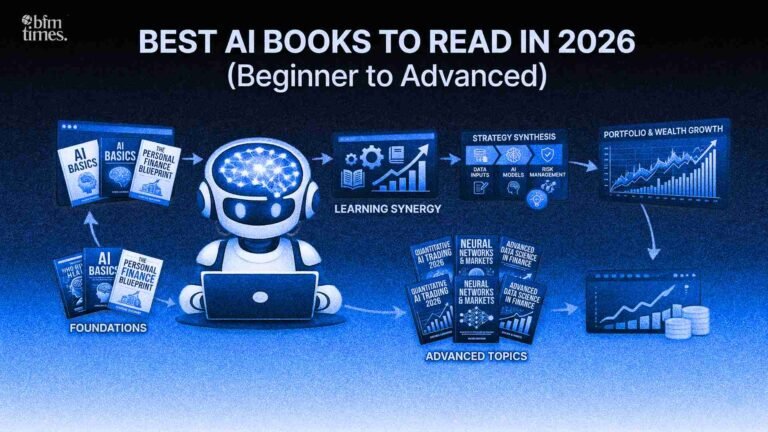
Looking back at 2026, it almost feels like AI has quietly become part of everything around us. AI is always present, whether you’re writing, deciding what to buy, or what to believe, on your mobile device. It is so commonplace for people that the likes of ChatGPT, automated software, and recommendation engines are already a staple in our daily lives that we haven’t had the opportunity to grasp their implications fully.
- Not All AI Books Teach You the Same Thing
- If You’re Just Starting, These Books Make AI Less Intimidating
- 1. A Guide for Thinking Humans, The Real Basics
- 2. Hello World by Hannah Fry
- 3. AI Superpowers by Kai-Fu Lee
- When You Start Getting Curious, Books That Go Deeper
- Now You’re Serious About AI: Books That Actually Teach You How It Works
- 1. Artificial Intelligence: A Modern Approach
- 2. Why Machines Learn: Understanding the Math Behind AI
- 3. Neural Networks & Deep Learning Books
- The Books That Make You Question AI
- 1. Life 3.0: The Future of Humanity with AI
- 2. Atlas of AI, The Hidden Costs
- 3. Rebooting AI: Why Current AI Isn’t Perfect
- The New-Age AI Books (Post-ChatGPT Era)
- So, Which AI Book Should You Actually Start With?
- Why Reading AI Books Isn’t Enough on Its Own
- The Pattern Behind All Great AI Books
- Conclusion
- Frequently Asked Questions
But here’s the catch: AI has become so common in everyday life that most people rarely think about how it actually works. You may know how to use it, but ask someone, “How does it work?” and you’ll get no clear answer. Does AI depend on data? Does it learn like us? Is it entirely different from anything we’ve ever seen?
This is exactly where AI books become valuable and necessary. No, not for a hasty introduction, but for something much deeper. Quality AI books don’t simply teach you how to utilize AI. They change your perception of intelligence as a concept. Suddenly, patterns and limitations become evident that you wouldn’t otherwise see.
Not All AI Books Teach You the Same Thing
Many people assume that all AI books are basically the same, but that’s not true. However, they do not. There are AI books that use plain talk and are easy enough that it’s as if someone is explaining them while having coffee. On the other hand, there are difficult texts loaded with complex mathematics.
The other type of AI literature is not about teaching AI per se but showing its effects on reality and how they are shaping different aspects of human life, such as economics and even personal relationships.
AI books for 2026 will offer more than simply teaching you to code or explaining algorithms to you. They provide insight, provoke thought, and sometimes make you uneasy, but in a good way, because AI is more than just code.
If You’re Just Starting, These Books Make AI Less Intimidating
1. A Guide for Thinking Humans, The Real Basics
For those among us who consider AI to be a highly technological field, this book is where you should begin. The author manages to introduce readers to several fundamental concepts behind artificial intelligence, such as machine learning and decision-making, in a rather simple and comprehensible manner.
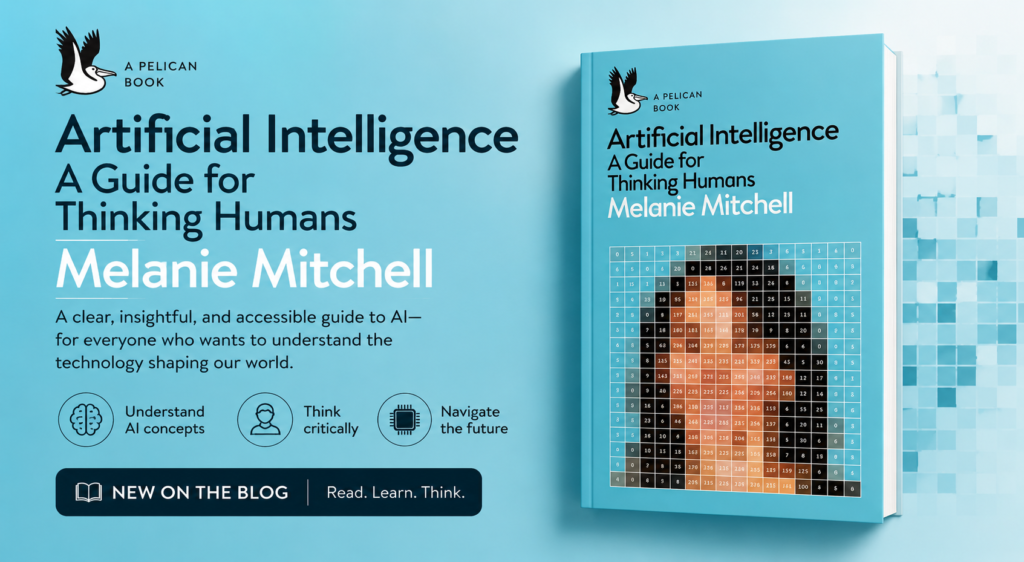
There are no extra difficulties that would make your learning process unnecessarily complicated. But the book’s tone, not the information it covers, makes it a top choice for novices. It’s not about impressing but educating, and that’s all that matters right now.
2. Hello World by Hannah Fry
This one is special. Not only does it describe the AI, but it also makes sure that you are aware of AI around you.
It discusses everything from the decision-making process in health care to the criminal justice system. In my opinion, it offers a diverse range of content that caters to a wide audience.
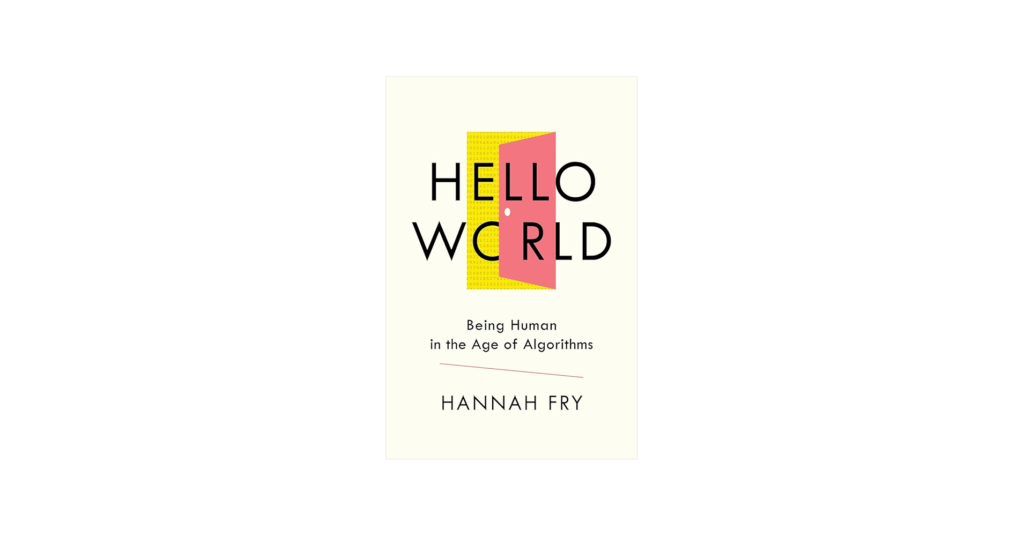
At the same time, you can observe that AI is not something that belongs to the future. It is already impacting your present life.
3. AI Superpowers by Kai-Fu Lee
The authors take a step back in this book and look at AI from the world’s point of view. The focus of this book is on the AI race between superpowers like America and China. This book discusses employment and industrial revolutions to some extent as well. However, what makes this book special is that it explains things in a very clear manner.
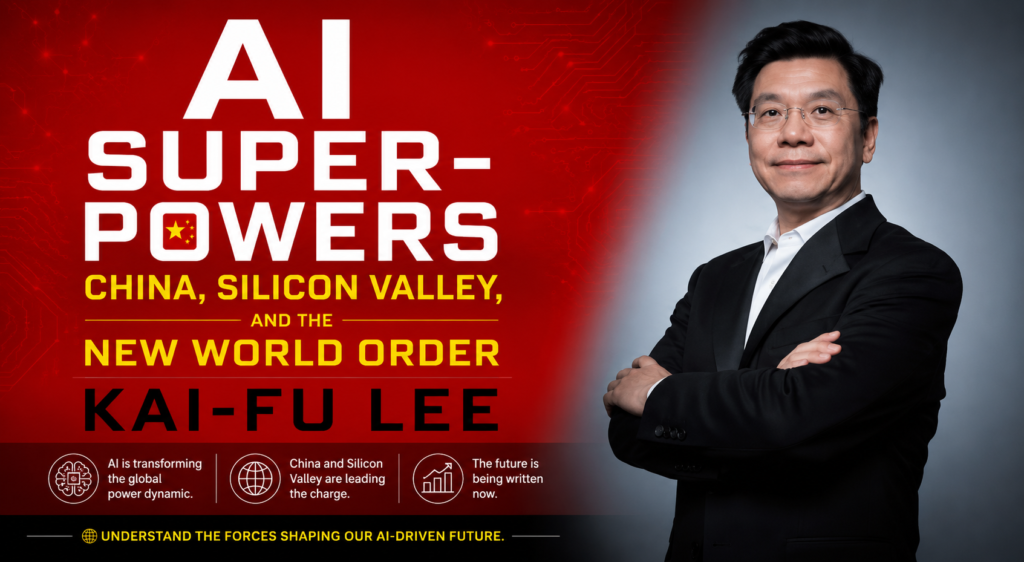
This book is highly recommended among all the AI learning books available in the market due to its interesting connection between technology, power, and economy.
When You Start Getting Curious, Books That Go Deeper
1. The Psychology of AI Thinking
Eventually, the question “What is AI?” becomes obsolete as you shift your focus to “How does it think?”
This is where more sophisticated AI books will help. You’ll learn about the decision-making process of artificial intelligence, its bias tendencies, and even find out why some results seem arbitrary.
And when you finally realize that there’s nothing magical about AI, just systems, patterns, and probabilities, everything starts falling into place.
2. Co-Intelligence by Ethan Mollick
The concern that AI will take the place of human beings is ever-present. This book debunks such thoughts.
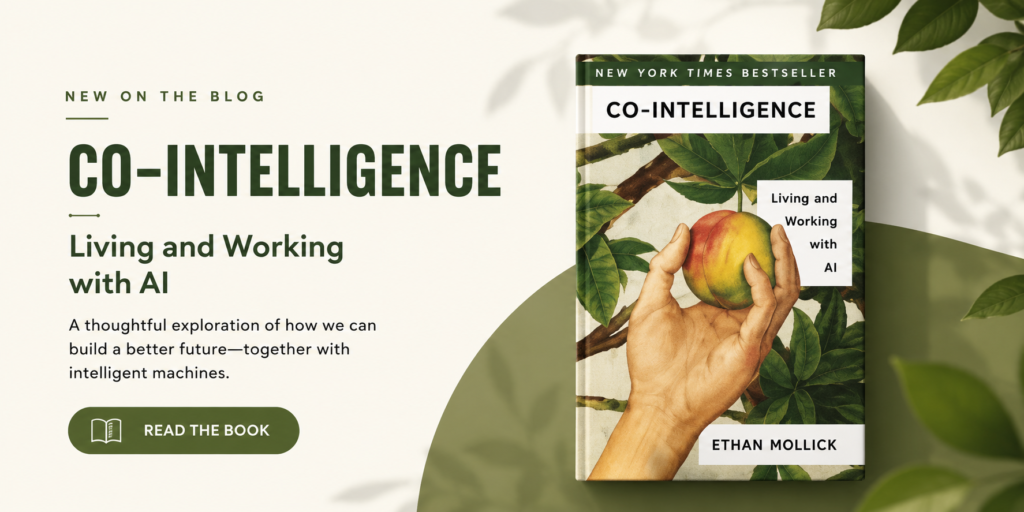
The concept of cooperation is the highlight of the book. The book demonstrates instances where AI can assist humans in becoming more productive, creative, and efficient.
The book shows that AI doesn’t intend to replace anyone. Instead, it seeks to complement your abilities.
3. AI Engineering by Chip Huyen
The reality sets in this chapter. This book puts aside the theories and discusses practical issues related to AI development.
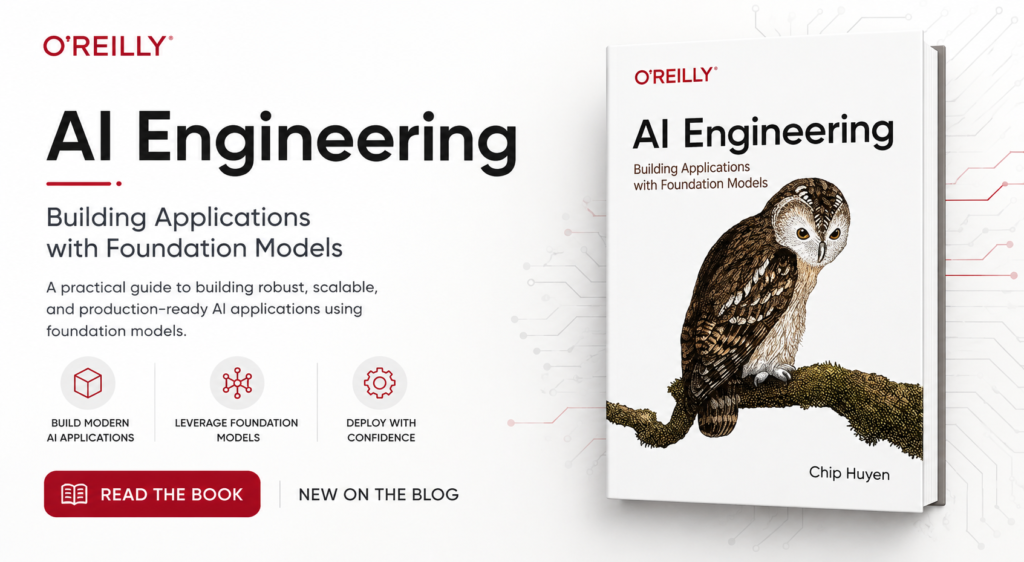
These include data pipelines, systems breakdowns, scalability, and topics that are not exciting to start with but are extremely important nonetheless.
One major point raised in this chapter is an aspect often overlooked when discussing problems with AI: namely, that the majority of failures of AI models occur not due to their low-quality design but due to faulty infrastructure around them.
Now You’re Serious About AI: Books That Actually Teach You How It Works
1. Artificial Intelligence: A Modern Approach
This book isn’t an uncomplicated read. It is well-organized, comprehensive, and considered one of the best AI books ever written.
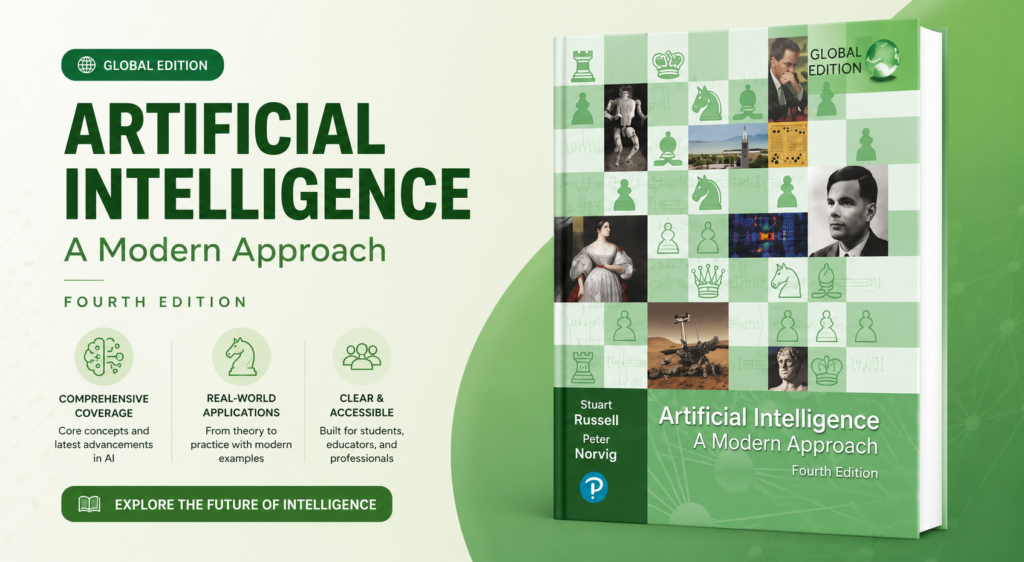
Everything is here, from search methodologies to machine learning to natural language processing to robotics. Yes, it is tough. But persevere and gain that strong grounding in the field.
This is the point at which artificial intelligence transitions and becomes a topic you can truly comprehend.
2. Why Machines Learn: Understanding the Math Behind AI
For anyone who’s ever been curious about how AI operates, this is the book for you.
It explores the mathematical foundations of machine learning, and it does so in an unexpected and digestible manner. It’s not necessary to have a background in mathematics, but having patience certainly helps.
Once you start understanding concepts like gradients, optimization, and learning patterns, everything becomes clear.
3. Neural Networks & Deep Learning Books
Here is where most people get stuck. The neural network is an artificial intelligence system composed of various layers that emulate parts of the human mind.
The cutting-edge AI books dive deeper into the architecture of neural networks, training techniques, and pattern recognition in computers.
It is tough to comprehend. In reality, most people give up at this point. But if you can endure, it is from here that the magic happens.
The Books That Make You Question AI
1. Life 3.0: The Future of Humanity with AI
The book does not just cover AI; it covers the future of mankind.
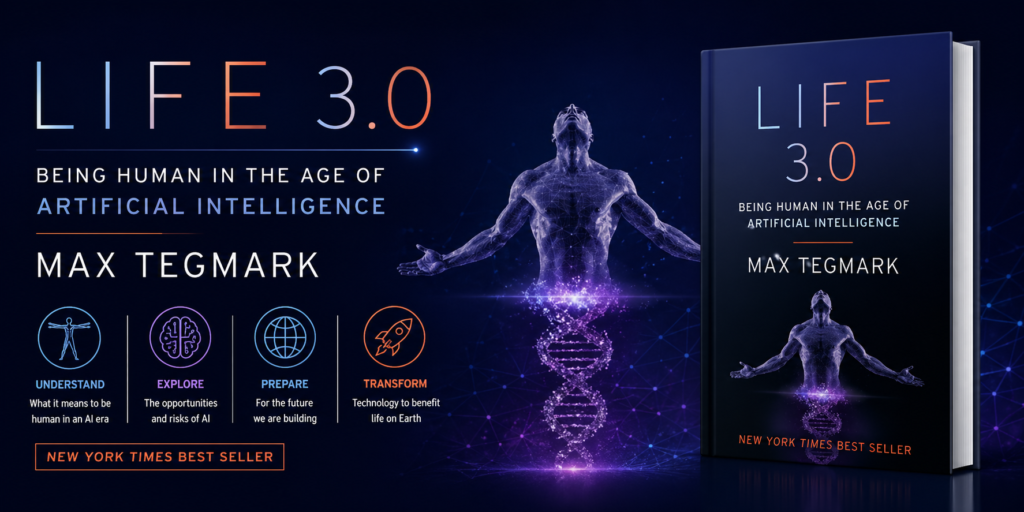
It discusses possibilities and scenarios that may either be thrilling or frightening. For instance, what will happen if the intelligence of AI becomes more than that of human beings?
What sort of society will be formed?
2. Atlas of AI, The Hidden Costs
This volume is one of those AI books that will shift your entire paradigm.
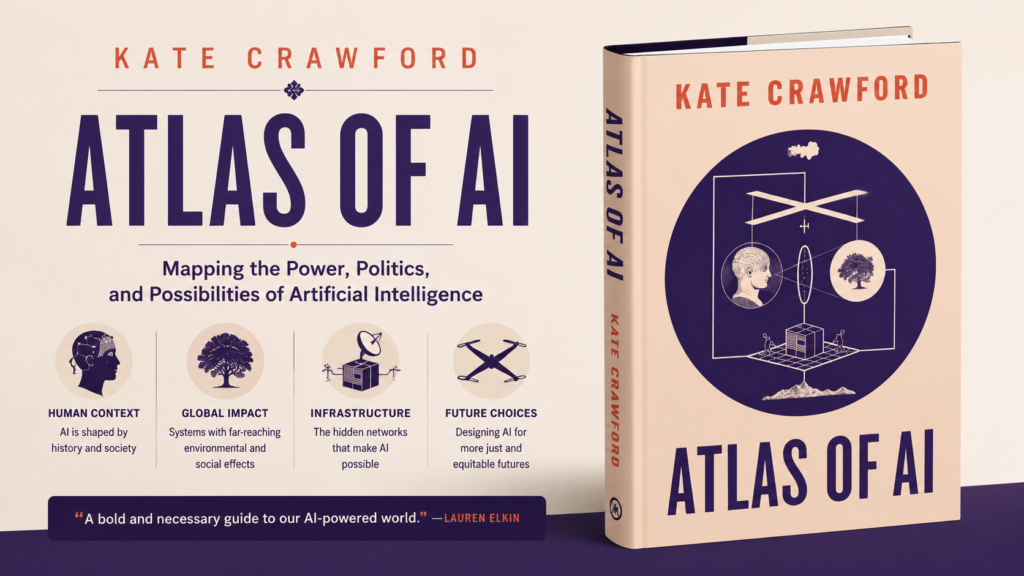
It covers aspects such as the environmental consequences, exploitation of data, and politics involved in AI. Aspects that you do not normally consider.
You understand that AI is not impartial. It reflects its makers and systems.
3. Rebooting AI: Why Current AI Isn’t Perfect
The topic of AI is surrounded by hype. It’s time for something more practical.
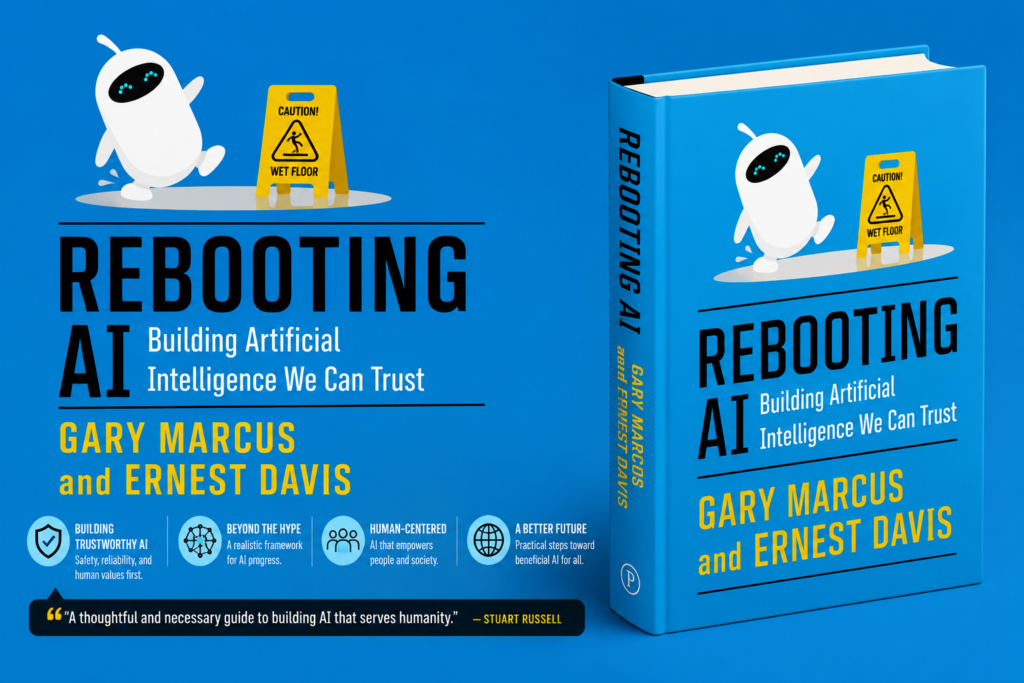
This book talks about how AI is still incomplete because of its limitations. Just having deep learning doesn’t make it truly intelligent.
It’s a good thing because it shows the flaws of AI, many flaws.
The New-Age AI Books (Post-ChatGPT Era)
The newer generation of AI books feels noticeably different. Less theoretical, more practical.
They focus on things like large language models, generative AI, prompt engineering, and real-world applications. Instead of asking, “What is AI?” they ask, “How can you use it effectively?”
To be honest, that change makes sense, since AI is now more than just a field of study. People use it on a daily basis.
These AI books take a more practical approach, focusing on workflows, real-world applications, and everyday use cases. For most individuals, it is through the practicality of things that the joy of learning comes alive once more.
So, Which AI Book Should You Actually Start With?
This is what everyone wants to know. The answer is, it depends.
- If you’re a beginner, try AI beginner books first. One that gives an explanation without confusing you.
- If you’re interested but not necessarily technically skilled, pick up some books that discuss the impact of AI in society.
- If you’re truly committed to building or learning something, you will undoubtedly need to explore AI books.
There’s no such thing as the best point to begin with, only your own personal one.
Why Reading AI Books Isn’t Enough on Its Own
There’s an important point here that often gets overlooked. Reading AI books won’t make you an expert overnight. It certainly won’t equip you to design any sort of model just by reading through pages. Many beginners find it frustrating to think that simply reading will give them the ability to code a neural network.
Knowledge is not the same as skill.
Books can show you where things are, what they’re connected to, and what’s important, but they won’t take you there. You will need to sit, experiment, and fail, get stuck, and work through it all. This stage is where learning actually takes place, in the messy process. What AI books truly offer is something deeper and more lasting. What they offer is clarity. They offer direction. They offer a methodological approach to problem-solving.
You begin to notice connections instead of just isolated facts. Things start fitting together. Words that seemed mysterious at first start becoming understandable. And that’s when learning stops being about stress and becomes about discovery.
Some things AI books can do for you behind the scenes:
- They reduce confusion by organizing scattered ideas into a clear flow
- They build intuition; you start guessing how systems might behave
- They help you ask better questions, which is honestly more important than knowing answers
- They prepare your mind for practical learning, so when you actually build something, it clicks faster
There’s another benefit too: books naturally make you pause and absorb ideas more deeply. But that’s not such a bad thing. In today’s fast-paced world, where everything is fast and fleeting, reading an AI book will make you engage with its content in more depth. You’re not consuming; you’re thinking.
Maybe that’s why people who read regularly often develop a sharper way of thinking. Not faster, not louder, just deeper.
Once you understand how things work, even at a basic level, applying them becomes much more natural. It’s not just about copying codes anymore; now you know what the code is meant to do.
The Pattern Behind All Great AI Books
No matter which AI books you pick up, you’ll begin to notice certain patterns repeating themselves. They all talk about intelligence, what it is, how it can be created, and whether machines can truly achieve it. They all explore systems, how data, algorithms, and computation come together. And they all question limits, what AI can do, and what it cannot. Different authors, different styles, but the same core questions keep coming up. And that’s what makes this field so interesting.
If you are planning to start a career in writing, AI content writing tools can be a helpful starting point. They assist with idea generation, content structuring, grammar improvement, and faster writing workflows. Many beginners now use these tools to practice different writing styles and build confidence while creating blogs, articles, and social media content.
Conclusion
After spending enough time with the right AI books, you start realizing that technology is no longer just about tools. You see systems, patterns, and decisions made by machines in everything. AI technologies are revolutionizing industries, professions, and decision-making processes. Being able to understand and comprehend AI technologies is no longer a luxury; it’s a necessary ability, akin to literacy. Perhaps this is why people should engage in AI book reading. It is not simply a matter of being updated on what’s trending. Awareness is necessary to retain clarity in an ever-evolving world. After all, AI book reading isn’t done for the sake of comprehending AI technology. AI book reading is done so that one doesn’t fall behind in an AI-powered future. Now that AI is transforming almost every industry, there are even AI summarization tools designed specifically for readers who want to learn faster and save time.
Frequently Asked Questions
Which are the best AI books in 2026 for complete beginners?
Start with simple and conversational AI beginner books like Artificial Intelligence: A Guide for Thinking Humans or Hello World. They make concepts straightforward without overwhelming you.
Do I need coding knowledge to read AI books?
Not really. Many AI learning books are non-technical and focus on concepts and real-world applications. Technical books come later if you want to go deeper.
Are advanced AI books worth reading if I’m not a developer?
Some are, especially those explaining concepts rather than code. But highly technical books may feel difficult without a basic foundation.
How many AI books should I read to understand AI properly?
There’s no fixed number. Even 3 to 5 well-chosen AI books can give you strong clarity if you read them thoughtfully.
Are new AI books better than older ones?
Both matter. Older books explain fundamentals, while newer ones focus on modern tools like generative AI. A mix of both is ideal.