


The use of cryptocurrency in India has been developing at a high rate; however, the purchase of crypto wallets in India is complete. The next step is to secure it. That is where crypto wallets in India come in: all of them feature traded-off security, convenience, and availability of INR on-ramps/off-ramps. Self-custody is important; however, ease of setup and reliability are equally important in a growing regulatory landscape that has stringent KYC and AML standards.
- How to choose the best crypto wallet in India
- Secure crypto wallet India: hardware crypto wallets in India (cold storage)
- Crypto wallet app India: software wallets (hot/non-custodial)
- INR crypto wallet options: Indian exchange wallets
- Bitcoin wallet India: best options by use case
- Cold storage vs hot wallets: which is the best crypto wallets in India?
- How to set up a crypto wallet safely
- Risks, taxes & compliance considerations in India
- Best Crypto Wallets in India at a Glance
- Frequently Asked Questions
Here we will discuss hardware crypto wallets in India (cold storage), software crypto wallets in India (hot/non-custodial), and Indian exchange wallets, and we will provide practical setup and security recommendations aimed at Indian users. Best crypto wallet in India choices, INR access specifications, and bitcoin wallet India choices are also provided by us to make a safe decision in 2026.
How to choose the best crypto wallet in India
The choice of the best crypto wallet in India is not only based on brand name; it is determined by your intended purpose of use.
Key criteria to weigh:
Security model & custody type:
- “Non-custodial” implies that you possess your own keys (greater responsibility, greater control).
- “Custodial” refers to the storage of keys by a third party (exchange) and is less controlled yet easier.
- Cold storage vs hot wallets: In cold storage, keys are stored offline (hardware), whereas in hot crypto wallets in India, keys are stored online (software).
- Supported assets and chains: The Bitcoin, Ethereum, and multi-chain support is subject to differ depending on the coins you have.
- INR on-ramps: In case you desire to purchase/sell with Indian rupees, an INR crypto wallet (or exchange wallet) might be more convenient.
- Platform compatibility: Mobile (Android/iOS), desktop, or hardware.
- Backup & recovery: Seed phrase management and loss recovery.
- Ease of use: This is critical, particularly to the novice.
Secure crypto wallet India: hardware crypto wallets in India (cold storage)
Cold wallets are hardcopy gadgets that store your personal keys offline. They are deemed the safest kind of holding a large amount of crypto wallets in India, such as a Bitcoin wallet India system, but have to be initially initialized and kept safe with a set of phrases to recover.
1. Ledger Nano X / S Plus
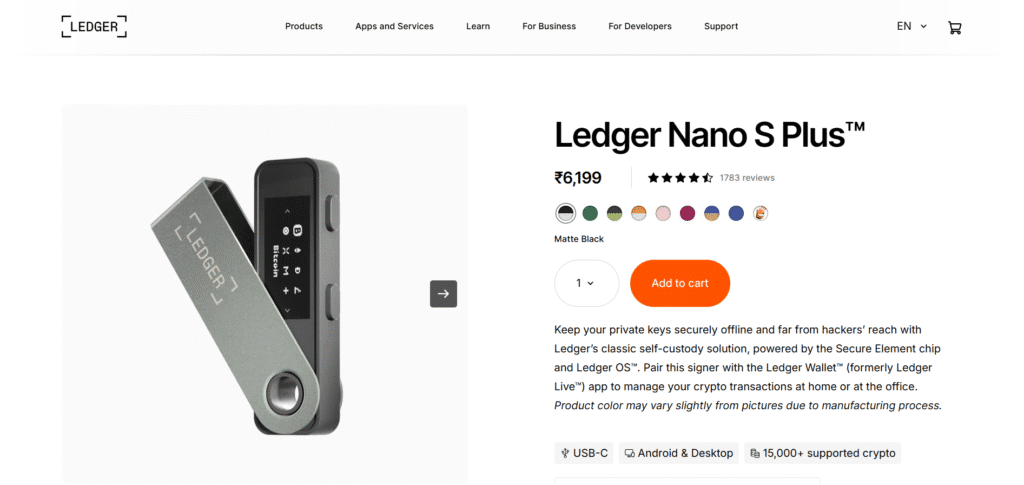
What it is: The device is a top-notch hardware wallet with Bluetooth/USB connectivity to control crypto wallets in India offline.
Security model: Non-custodial cold storage.
Supported assets: Coins and tokens on major networks.
Best for: long-term customers and those operating multi-chains.
Key pros:
- High-end offline key storage that has secure element chips.
- Connections with Ledger Live mobile/desktop.
- Bluetooth on Nano X is easy to use.
Limitations for Indian users: Indian users might have restrictions on imports and availability of crypto wallets in India; INR on-ramps need to relocate assets to an exchange initially.
For all the details, hit up their official website: https://www.ledger.com/
2. Tangem Wallet
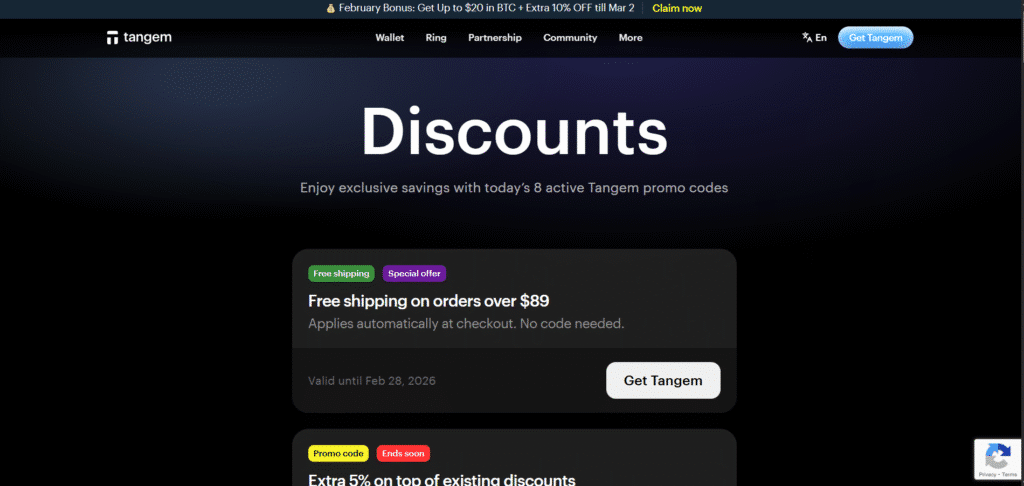
What it is: A contactless NFC cold wallet constructed in the shape of a card or ring.
Security model: Non-custodial offline private key hardware.
Supported assets: 14,000+ tokens on 85+ networks.
Best for: minimal seed phrase users and mobile-based cold storage.
Key pros:
- Physical ubiquity, such as a card, which can be carried easily.
- None of the traditional seed phrases applies in the case of hardware redundancy.
- Easy mobile app integration.
Limitations for Indian users: Still, INR buying must have an exchange of crypto wallets in India; physical cards must have the safety of a carry razor.
For all the details, hit up their official website: https://tangem.com/en/
3. Trezor Safe 3
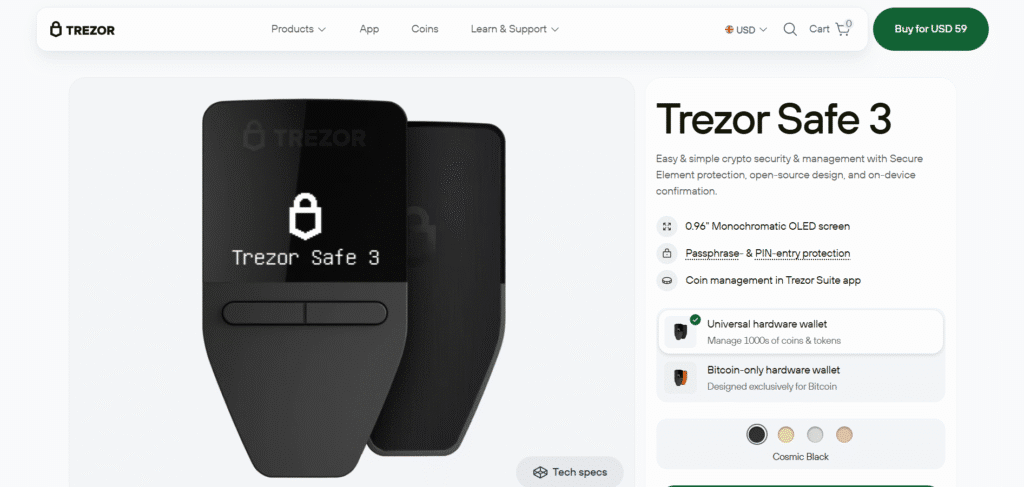
What it is: a premium open-source cold wallet.
Security model: Non-custodial cold storage device.
Supported assets: Extremely wide coin support, strong multi-chain support.
Best for: Developers and high-security users.
Key pros:
- Very audited open firmware.
- Extensive ecosystem incorporations.
Limitations for crypto wallets in India users: price and importation; exchange transfers required on/off INR ramps.
For all the details, hit up their official website: https://trezor.io/trezor-safe-3
4. SafePal X1
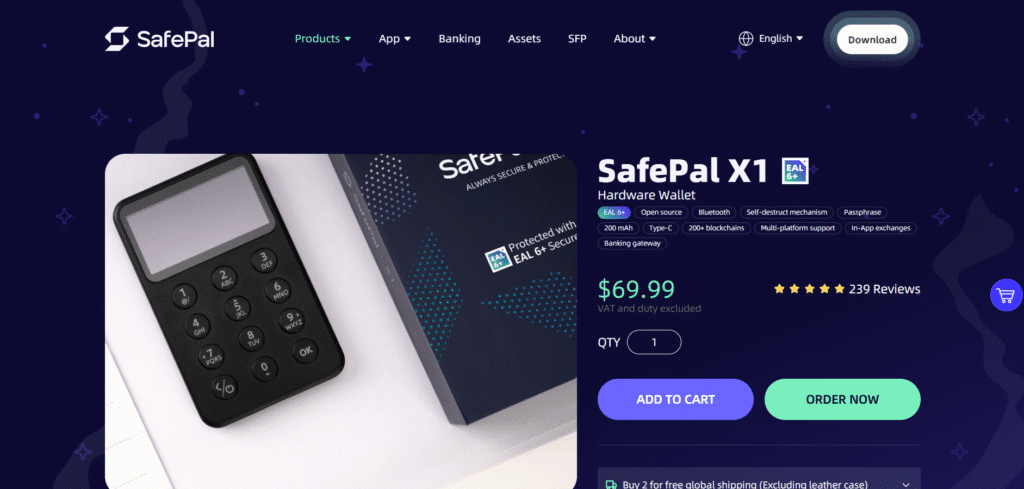
What it is: A low-priced cold wallet with a chip.
Security model: Non-custodial offline storage.
Supported assets: Multi-chain support on popular coins.
Best for: Introductory-level cold storage.
Key pros:
- Fairly good security and price ratio.
- Portable form factor.
Limitations for Indian users: INR access occurs, as with any other hardware, through exchange.
For all the details, hit up their official website: https://www.safepal.com/en/store/x1
Crypto wallet app India: software wallets (hot/non-custodial)
Hot wallets store keys in related devices (desktop/mobile) and are well-suited to everyday use, NFTs, or DeFi.
1. MetaMask

What it is: A mobile wallet and browser extension that is common in DeFi.
Security model: Non-custodial wallet software.
Supported assets: Ethereum and EVM chains; connect to numerous chains with custom networks.
Best for: NFT explorers and DeFi users.
Key pros:
- Easy browser integration.
- Dapp and Web3 access.
Limitations for Indian users: Indian users are not allowed to fund via on-ramp; they need to fund either through an exchange or a bridge.
For all the details, hit up their official website: https://metamask.io/
2. Trust Wallet
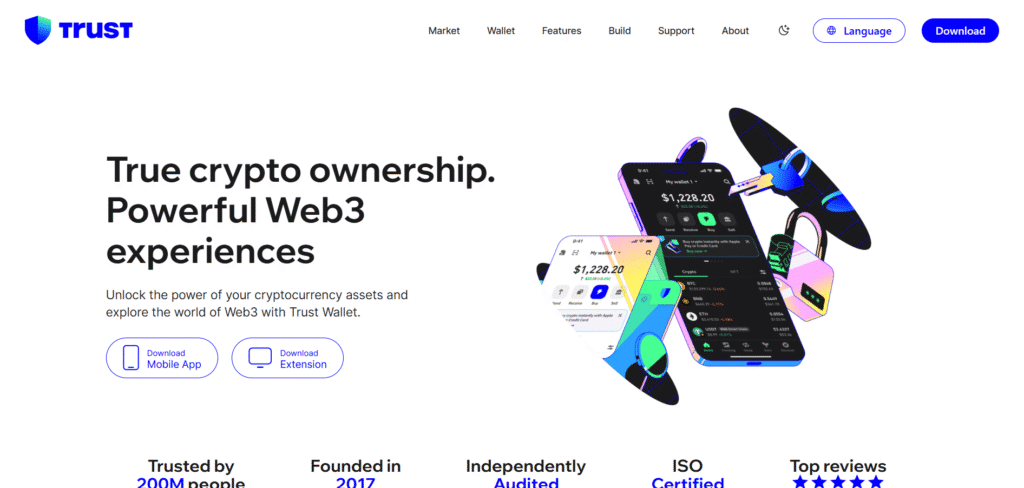
What it is: A mobile non-custodial wallet that is broadly supported.
Security model: Non-custodial hot wallet.
Supported assets: Multi-chain, very broad support.
Best for: Multi-coin mobile users.
Key pros:
- Intuitive mobile UI.
- Staking and DeFi connectors.
Limitations for Indian users: No direct fiat-side exchange transfer.
For all the details, hit up their official website: https://trustwallet.com/
3. Exodus
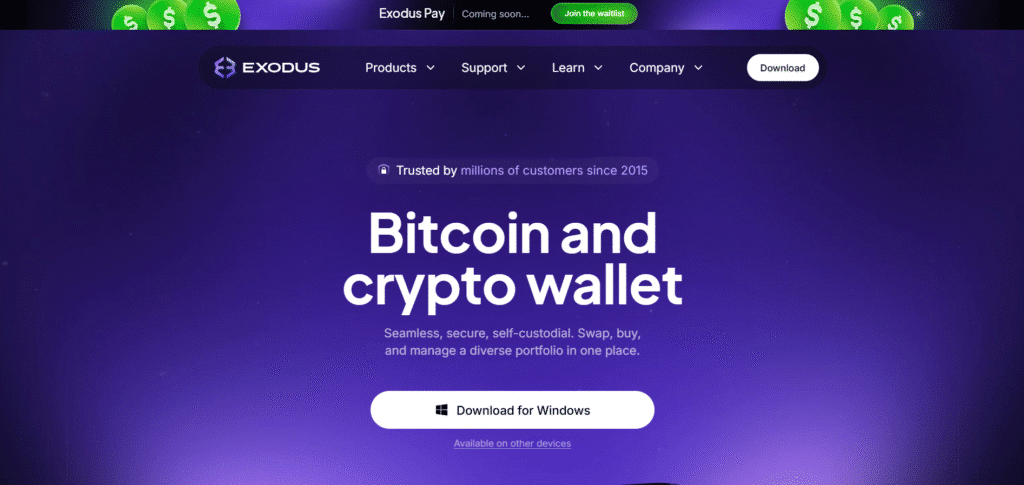
What it is: a mobile and desktop wallet with inbuilt swap.
Security model: Non-custodial wallet software.
Supported assets: Portfolio UI + major coins.
Best for: The interface is easy to use with beginners.
Key pros:
- Basic dashboard and exchange tools.
- Supports some hardware wallets.
Limitations for Indian users: INR spending is external; use the exchange first.
For all the details, hit up their official website: https://www.exodus.com/
INR crypto wallet options: Indian exchange wallets
The keys on the servers of the platform are stored in exchange wallets. They are custodial; that is, you give away control to convenience, even the direct INR access.
1. ZebPay
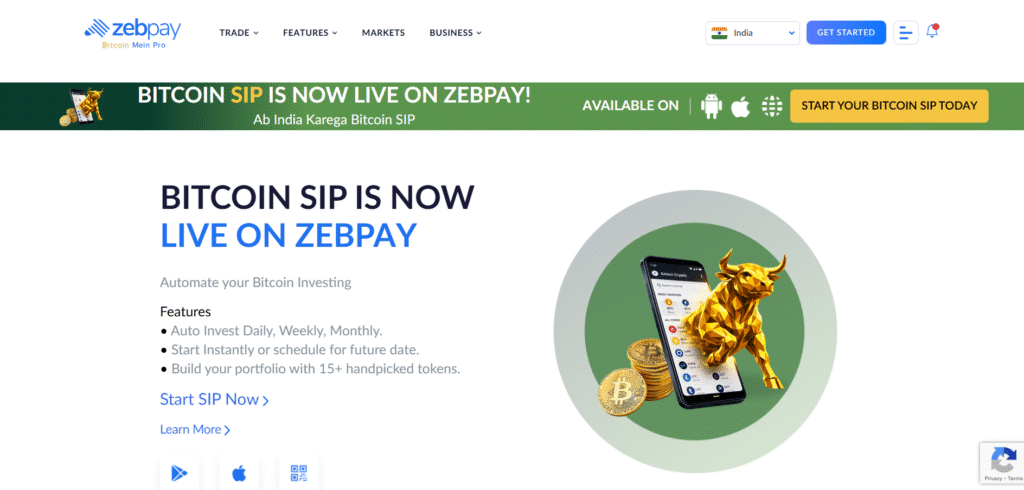
What it is: This is one of the oldest exchanges in India, with a wallet holding.
Security model: Custodial exchange wallet.
Supported assets: Hundreds of INR-deposited cryptos.
Best for: Starting and rapid INR trades.
Key pros:
- Smooth UPI/bank INR on-ramps.
- FIU-registered compliance.
Limitations: Exchange custody implies that you do not possess personal keys.
For all the details, hit up their official website: https://zebpay.com/in/
2. WazirX
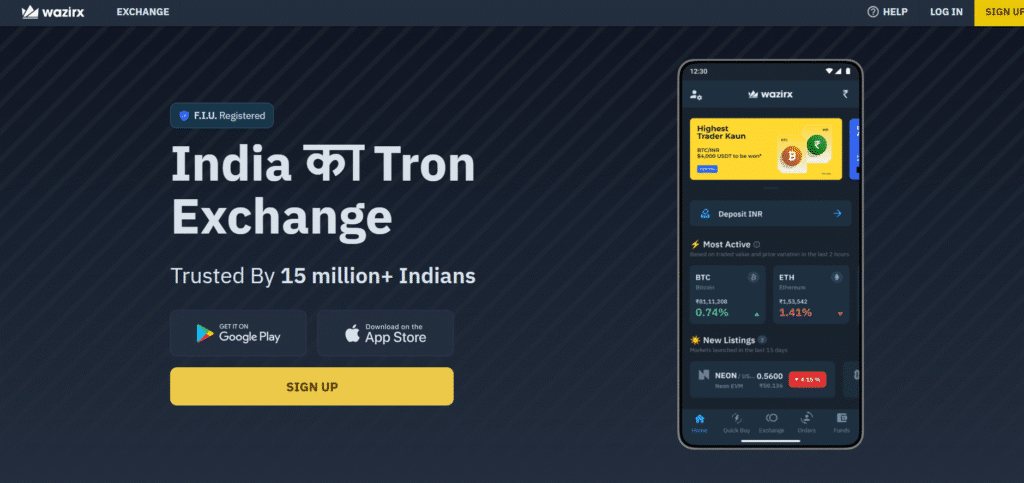
What it is: previously leading crypto exchange that operates as a wallet service (the post-hack situation has affected its performance).
Security model: Custodial exchange wallet.
Supported assets: large coin list (historically).
Best for: Deposit/withdraw INR through UPI and trades.
Key pros:
- Simple INR flows.
Limitations: Custodial risk demonstrated by previous security breach.
For all the details, hit up their official website: https://wazirx.com/
3. CoinDCX
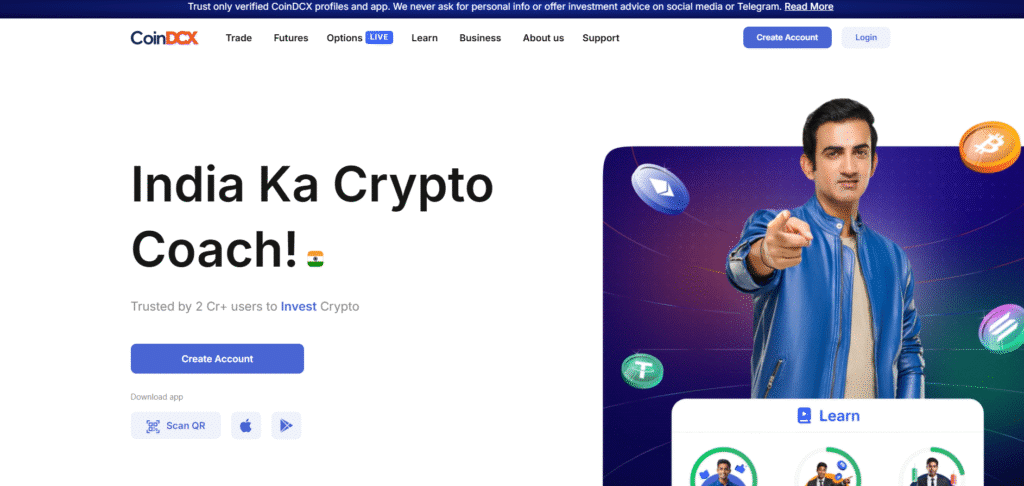
What it is: Indian exchange with wallet leader.
Security model: Custodial.
Supported assets: broad coin spot trading.
Best for: INR trades and diversified portfolios.
Key pros:
- UPI/bank INR on-ramps.
- FIU is registered and popular.
Limitations: Custody risk, transition to self-custody of large holdings.
For all the details, hit up their official website: https://coindcx.com/
Bitcoin wallet India: best options by use case
Although you have only Bitcoin, the wallet you buy must suit your style:
- Long-term holder: Ledger and Tangem are hardware crypto wallets in India that are the best.
- Daily Bitcoin use/small transfers: Small wallets such as Trust Wallet.
- Instant INR buys & sells: Exchange wallet with UPI/bank support, such as CoinDCX or ZebPay.
Cold storage vs hot wallets: which is the best crypto wallets in India?
Cold wallets (hardware)
- Best for: Long-term high-security holding.
- Pros: Keys offline, not easily hacked online.
- Cons: Additional setup and physical management.
Hot wallets (software)
- Best for: Frequent use, DeFi, NFTs
- Pros: Easy access.
- Cons: Internet-exposed risks.
Exchange wallets
- Best for: INR deposits/withdrawals, trading.
- Pros: easy fiat on/off ramps.
- Cons: Custodial risk, you do not have control over the keys.
How to set up a crypto wallet safely
- Select the appropriate wallet in accordance with your objectives.
- Install the official application or firmware; do not use third-party duplicates.
- Record and store your seed phrase in a physical place; never share it.
- Turn on 2FA on software/exchange accounts.
- Make small tests and then do big transfers.
- Periodically replace your wallet software/firmware.
Risks, taxes & compliance considerations in India
In India, there are regulatory and tax implications of cryptocurrency. The virtual digital assets are subject to tax, and exchanges should follow the rules of the FIU-IND, such as KYC/AML. The records should always be kept to file tax returns, and you should make sure that the platform you choose can comply with the existing requirements.
Disclaimer: This is an informational article and is not financial or legal advice. Crypto wallets in India are associated with security and regulatory risks. Always research (DYOR) and keep your personal keys and recovery phrases in a safe place.
Best Crypto Wallets in India at a Glance
| Wallet | Type | Custody | Platforms | INR Support | Best for |
| Ledger Nano X/S Plus | Hardware | Non-custodial | Mobile/Desktop | ❌ | Long-term storage |
| Tangem Wallet | Hardware | Non-custodial | Mobile | ❌ | Physical cold wallet |
| Trezor Safe 3 | Hardware | Non-custodial | Desktop | ❌ | Deep security |
| SafePal X1 | Hardware | Non-custodial | Mobile | ❌ | Budget cold storage |
| MetaMask | Software | Non-custodial | Mobile/Browser | ❌ | DeFi & dApps |
| Trust Wallet | Software | Non-custodial | Mobile | ❌ | Multi-coin use |
| Exodus | Software | Non-custodial | Mobile/Desktop | ❌ | Beginners |
| ZebPay Wallet | Exchange | Custodial | Mobile | ✔️ | INR trades |
| WazirX Wallet | Exchange | Custodial | Mobile | ✔️ | INR access |
| CoinDCX Wallet | Exchange | Custodial | Mobile | ✔️ | INR & trading |
Frequently Asked Questions
Which is the safest crypto wallet in India?
The safest crypto wallets in India combine strong security and control like hardware cold wallets such as Ledger and Trezor devices that keep private keys offline, reducing hack risks.
What is the best, most secure crypto wallet?
The most secure overall crypto wallet options in 2026 are Ledger Nano X / Nano Flex and Trezor Model T / Model One for top-tier hardware protection against online threats.
Which cryptocurrency is best for the future in India?
For future growth in India, strong long-term crypto picks include Bitcoin (BTC), Ethereum (ETH), Solana (SOL), XRP (XRP), Binance Coin (BNB), and Chainlink (LINK) as foundational assets with broad adoption potential.
Conclusion
Depending on the application of crypto and its level of security requirements, the decision of the preferred crypto wallets in India is based on these factors. Hardware wallets are the most secure options to achieve long-term holding and maximum protection because they store private keys offline. Non-custodial software wallets are flexible and convenient for regular activities such as DeFi, NFTs, or other frequent transfers. And buying or selling with an INR crypto wallet is your business; crypto wallets in India can easily provide on-ramps and off-ramps, but at the cost of custodial risk.
One type of wallet is not better or worse than the other. The hybrid approach, where an Indian places money in an exchange wallet to transact with INR and then transfers the assets to a self-custody wallet to store the money securely, is beneficial to many Indian users. Regardless of the route you take, security must not be an option. Secure your seed phrase, research apps before downloading, and only transfer funds in small test deposits initially. The most intelligent approach to crypto wallets in India in 2026 is a safety-first system that will provide a balance between convenience and long-term control.
Disclaimer: BFM Times acts as a source of information for knowledge purposes and does not claim to be a financial advisor. Kindly consult your financial advisor before investing.