



Among the most urgent issues in digital currency systems is the problem of double-spending, which was the main impulse for the creation of blockchain technology. Intimately linked to the notion of Byzantine Fault Tolerance, the issue can be characterized by the decentralization of networks and fraud avoidance with no central authority involved. This concept is critical to anyone who is studying the functioning of blockchain.
So, What Is The Double Spending Problem?
The issue of double-spending is associated with the chance that a digital asset can be used twice. Digital money is easy to duplicate, unlike physical cash, and thus, a user can easily copy a transaction and make use of the same money. Traditional financial systems rely on banks and payment processors to avoid any problem of double-spending by being trusted intermediaries.
In blockchain systems, which are decentralised, there is no centralized authority to confirm transactions. This poses the difficulty of making sure that the same digital token is not used on the network several times.
The problem of the Double Spending and how it can be resolved with the help of Blockchain.
Blockchain addresses the issue of double spending by using a sequence of distributed ledgers, cryptographic authentication, and consensus mechanisms. Whenever a transaction transpires, it is shared among the network nodes. These nodes confirm the balance of the sender and the fact of spent money.
Transactions are also bundled and attached to the blockchain when network consensus is achieved and the transactions are verified. Due to each node having a copy of the ledger, any time an attempt exists to spend the same asset twice, it is quickly rejected. This is a decentralized verification that makes the transactions integral without any trust in one of the parties.
What Is Byzantine Fault Tolerance?
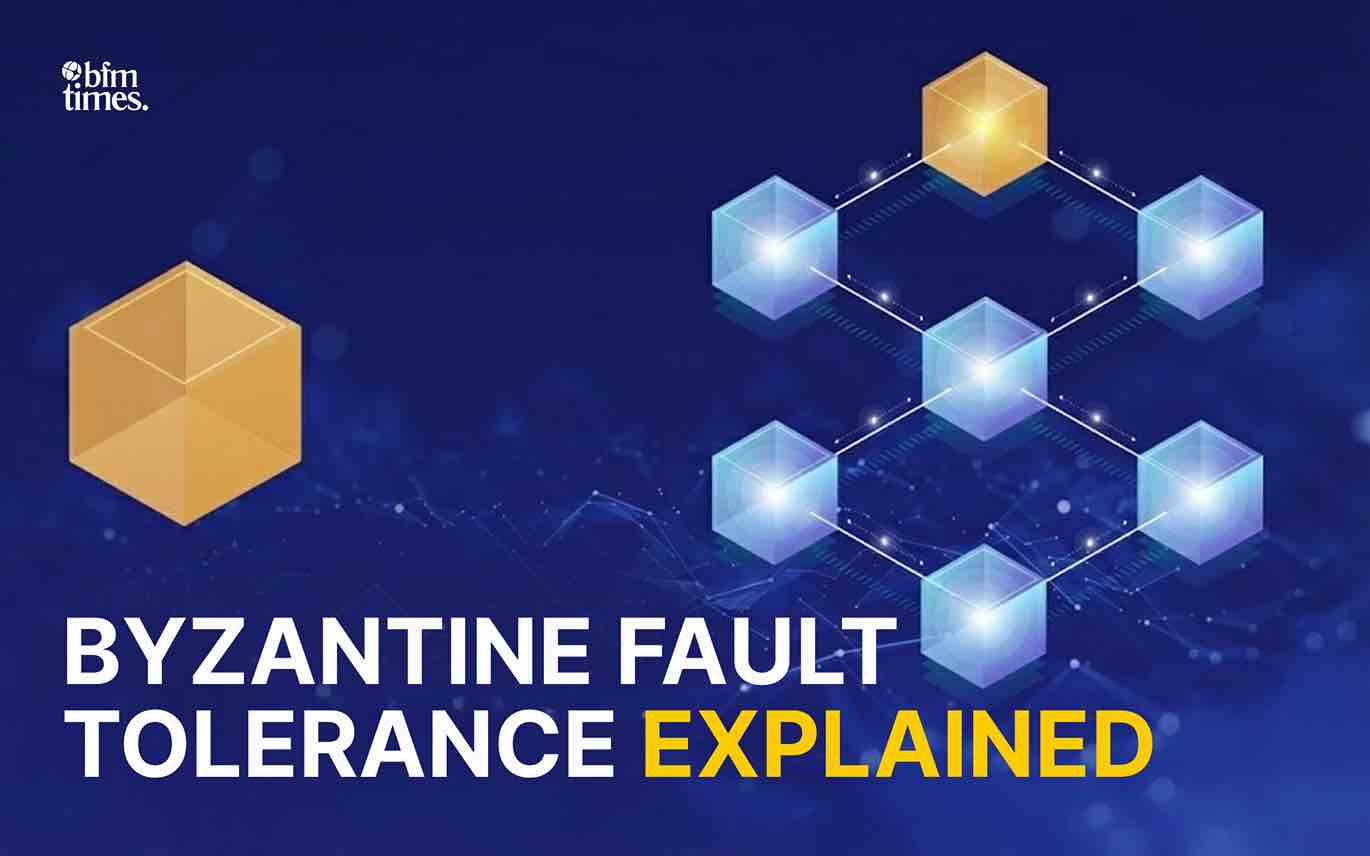
Byzantine Fault Tolerance is described as the capability of a system to act properly even in case malicious participants of the system behave or supply misleading information. The idea derives 2 out of the Byzantine Generals Problem that characterizes the challenge of reaching consensus in a distributed system of unreliable actors
Byzantine Fault Tolerance in blockchain networks guarantees that honest nodes are capable of finding a consensus in the face of some malicious nodes that are trying to compromise the network by manipulating transactions or disrupting the network. This is vital in avoiding cases of duplication of expenditure and network security.
Effects Of Consensus Mechanisms
In order to have Byzantine Fault Tolerance, consensus mechanisms are essential. Proof of Work, Proof of Stake, and other consensus models have nodes agreeing on the validity and sequence of the transactions and only after that are they added to the blockchain. Such mechanisms render it computationally or economically costly for attackers to modify the history of the transactions or give fraudulent transactions approvals.
Blockchain networks prevent the overthrow of honest participants by a majority since most of the networks require agreement between the parties involved.
The Importance Of Double-Spending Prevention
To ensure the credibility of digital currencies and decentralised applications, it is necessary to avoid the concept of spending twice. In the absence of trusted protection mechanisms, digital assets will become devalued. The possibility of blockchain to solve this issue allows safe peer-to-peer interactions, decentralised financial systems, and international payment systems.
Conclusion
The second issue closely related to Byzantine Fault Tolerance is double-spending, an inherent problem in decentralised digital systems. The distributed ledgers, consensus mechanisms, and cryptographic security solutions to blockchain technology eliminate this challenge. Blockchain ensures there is trust, security, and reliability in the Trustless digital world as transactions are verified and recorded once only.
Disclaimer: BFM Times acts as a source of information for knowledge purposes and does not claim to be a financial advisor. Kindly consult your financial advisor before investing.