


With DeFi and NFT activities being more common in 2026 than ever before, billions of dollars flow through wallets daily. Picking the wrong one may leave your funds and NFTs compromised and put your entire crypto venture at risk. This is why we prepared the Best Wallets for DeFi & NFT Users: The Definitive 2026 Guide – to help you avoid such costly mistakes!
After an in-depth analysis of 10 wallets for DeFi and NFT users, we decided on their security, multi-chain capabilities, NFT management tools, ease-of-use, and overall DeFi compatibility. No matter whether you are a new DeFi entrant or seasoned power user, our guide is meant to assist you. Here we go!
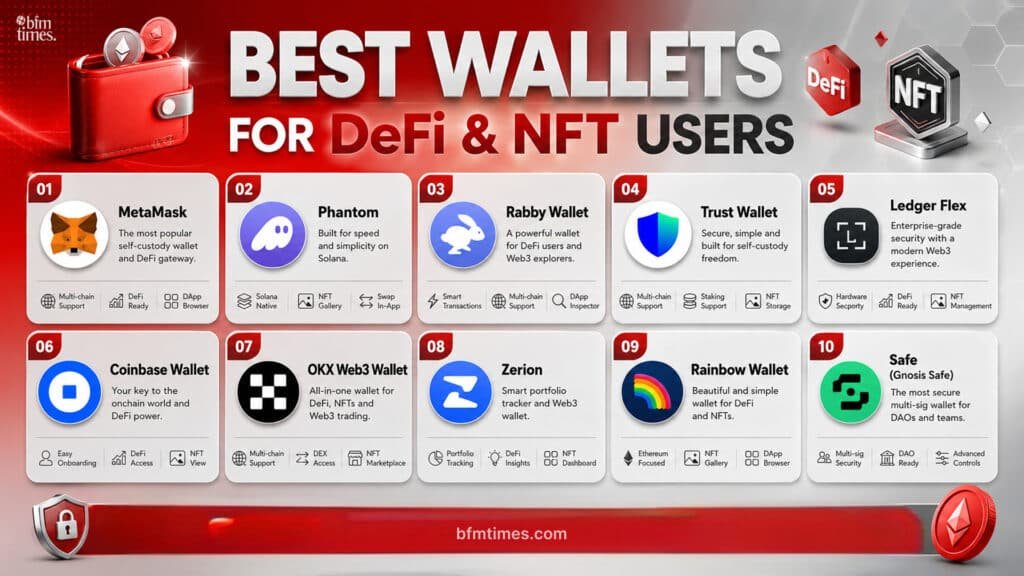
Which Are the Best Wallets for DeFi & NFT Users?
1. MetaMask
MetaMask became the dominant DeFi wallet since its inception, acting as the gateway into Ethereum DeFi and EVM networks. In 2026, it remains the most compatible wallet with dApps, NFT marketplaces, and DeFi protocols. When compatibility is what you are after, MetaMask takes the lead.
Used by: 100+ million people all around the globe on Ethereum and EVM networks.
Supported by: Ethereum, BNB Smart Chain, Polygon, Arbitrum, Optimism, Base, Avalanche, Solana, and others.
Unique Feature: Built-in swapping and bridging functionality for over 1,000 dApps compatibility. MetaMask makes its 0.875% service fee transparent without hiding it in quote spreads.
Best for: Ethereum and EVM DeFi power users that prioritize compatibility.
This wallet can be downloaded from: metamask.io (extension for Chrome and mobile app).
Having tested this wallet thoroughly, we give it 3 out of 5 stars for beginners, but 4.5 out of 5 for DeFi professionals.
2. Phantom
Phantom is the top wallet solution for the Solana blockchain. It is minimalist, fast, and focuses on NFT enthusiasts. With an expansion in 2026 to support Ethereum and Bitcoin, it now offers an NFT gallery and scam filtering features that make it one of the most useful wallets for NFT collectors.
Used by: Millions of Solana traders, stakers, and NFT enthusiasts.
Supported by: Solana, Ethereum, Bitcoin, and others with added support for cross-chain swapping in 2026.
Unique Feature: NFT gallery that filters out spammy offers with the ability to burn any potentially scam NFT. Staking is made flexible without long lock-up periods.
Best for: Solana native NFT collectors and DeFi users that value speed and usability.
This wallet can be downloaded from: phantom.app (mobile and browser extension).
We have tested this wallet and rated it 4 out of 5 stars – good for Solana, but limited for deep Ethereum DeFi.
3. Rabby Wallet
Rabby Wallet comes from the team behind DeBank and is growing in popularity as the preferred wallet for EVM DeFi power users. Offering more than basic token storage, it previews transactions and automates chain switching. In 2026, Rabby Wallet is perceived as the most security-focused hot wallet for Ethereum users.
Used by: EVM DeFi power users and Ethereum ecosystem enthusiasts.
Supported by: 100+ EVM compatible chains including Ethereum, Base, Arbitrum, Optimism, BNB Smart Chain, and Polygon.
Unique Feature: Pre-transaction simulation shows you how your balances will change in advance. Auto chain-switching eliminates the need to manually change networks.
Best for: EVM DeFi power users that value security and automation.
This wallet can be downloaded from: rabby.io (Chrome extension and mobile app).
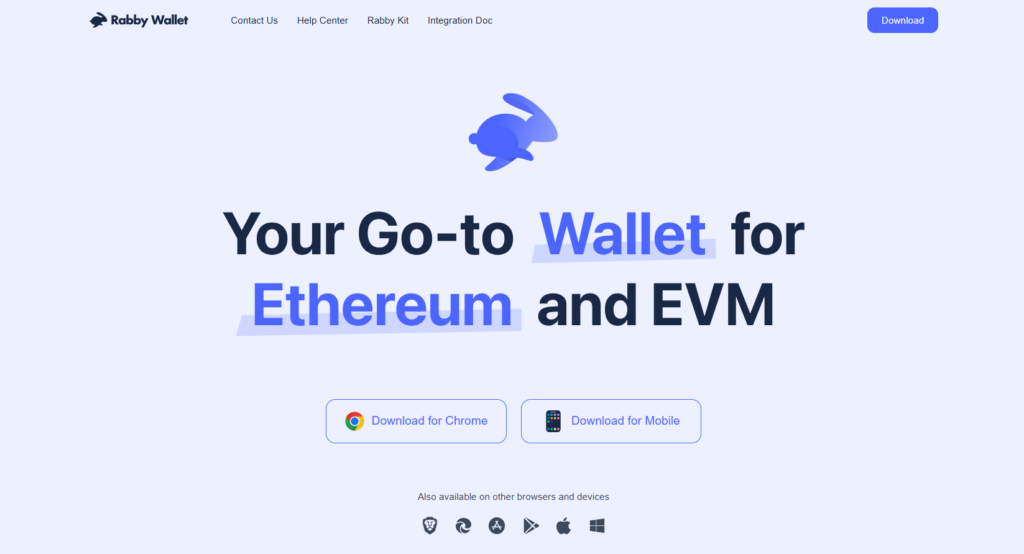
We have tested this wallet and gave it 4.5 out of 5 stars as the best pick for EVM DeFi trading.
4. Trust Wallet
Trust Wallet claimed the first place among global cryptocurrency wallet providers in 2026. It is a mobile-only wallet trusted by hundreds of millions of users. Thanks to its wide chain compatibility and minimalist approach, it has become the top choice for multi-chain crypto users managing their portfolio through smartphones.
Used by: Hundreds of millions of mobile users managing crypto all around the globe.
Supported by: 100+ blockchains including Ethereum, BNB Chain, Solana, Polygon, Bitcoin, and more.
Unique Feature: FlexGas allows paying fees using stablecoins instead of native tokens. Also, it has a built-in dApp browser providing direct access to DeFi, GameFi, and NFT applications.
Best for: Mobile-first users managing their portfolio across various chains.
This wallet can be downloaded from: trustwallet.com (iPhone and Android).
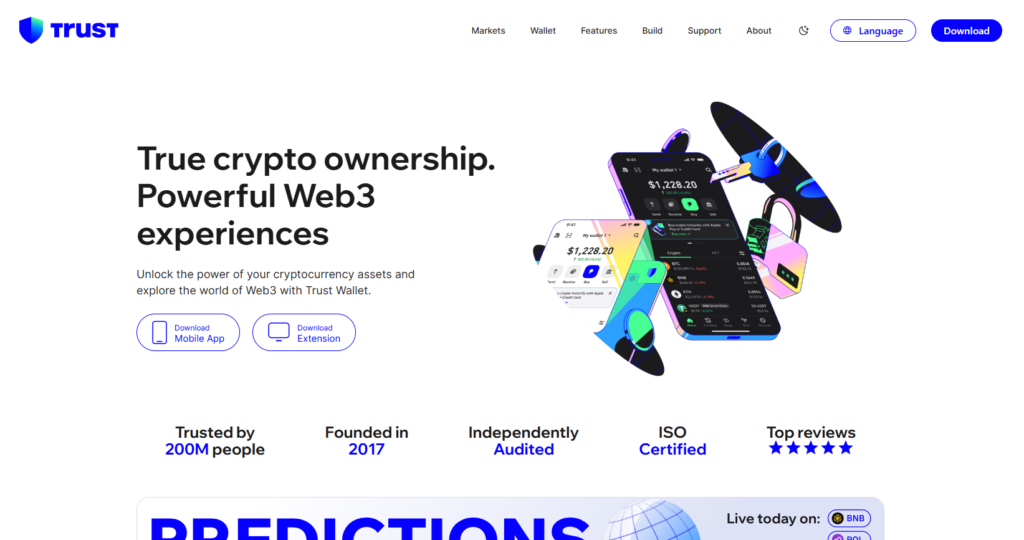
We have tested this wallet and gave it 4 out of 5 stars as the best mobile wallet for multi-chain use.
5. Ledger Flex
Ledger Flex remains the gold standard when it comes to crypto security in 2026. It is a hardware wallet, meaning your keys never touch the internet. If you have considerable DeFi stakes or collect expensive NFTs, combining a hot wallet with Ledger Flex is one of the safest solutions available.
Used by: Serious crypto hodlers and NFT collectors that require high security.
Supported by: All major EVM chains, Bitcoin, Solana, and thousands of other cryptocurrencies via Ledger Live.
Unique Feature: Secure Element chip with CC EAL6+ certification and 2.84-inch E-Ink touchscreen. Full transaction details are shown before signing to prevent blind signing attacks.
Best for: Long-term hodlers with considerable DeFi and NFT portfolios.
This wallet can be purchased from: ledger.com (it is shipped as a hardware device).
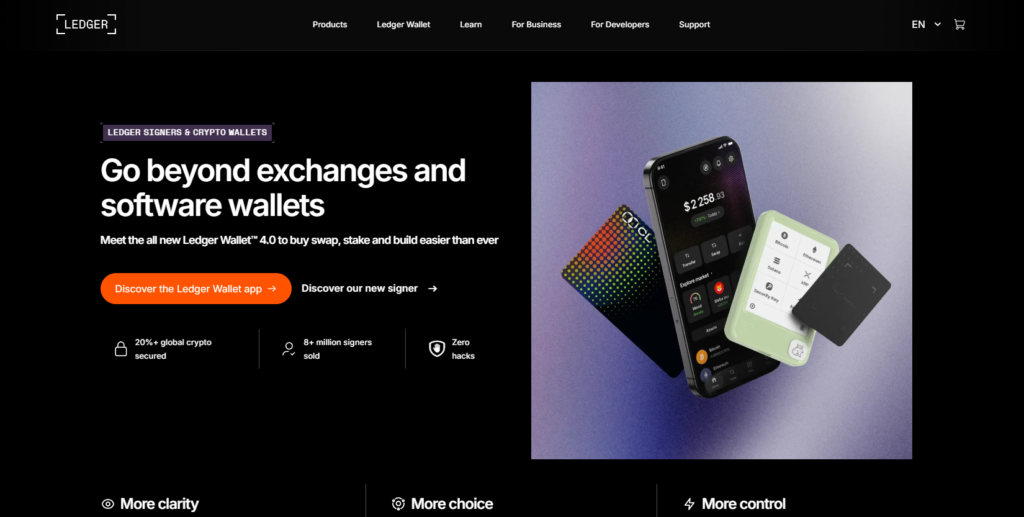
After thorough tests, we rated this wallet 5 out of 5 stars – non-negotiable if you have valuable funds.
6. Coinbase Wallet
Coinbase Wallet is the simplest transition from an exchange to a wallet. The Smart Wallet feature eliminates the need to generate a mnemonic phrase. For newbies exploring the best wallets for DeFi and NFT users, it is the most newbie-friendly gateway in 2026.
Used by: Transitioning from exchanges to wallet custody.
Supported by: Ethereum, Solana, and all major EVM chains like Base, Arbitrum, Avalanche, and BNB Chain.
Unique feature: Smart Wallet allows generating a wallet using passkeys, not a mnemonic phrase. Social Recovery makes this wallet perfect for newbies entering DeFi.
Best for: Newbies with prior experience in Coinbase looking to ease into Web3.
Download this wallet at: coinbase.com/wallet (available for iOS, Android, and Chrome browser extension).
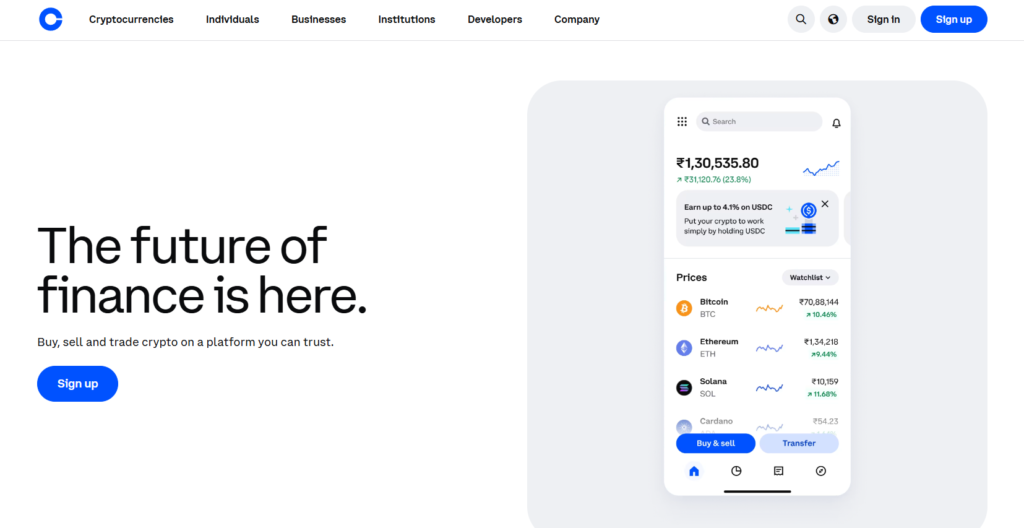
We have been testing this wallet and found it is 3.5 out of 5 – best suited for onboarding, not for advanced DeFi.
7. OKX Web3 Wallet
OKX Web3 Wallet is the most powerful non-custodial, multi-chain wallet for active traders in DeFi. The combination of its powerful Smart Account and cross-chain aggregator makes OKX Web3 wallet the best DeFi wallet with everything included in 2026.
Used by: Active DeFi traders and multi-chain users.
Supported by: Over 80 blockchain networks supported with a cross-chain swap aggregator.
Unique feature: The Smart Account feature relies on the Account Abstraction technology and allows paying gas fees in USDC and other stablecoins, not native tokens. Supports connections to more than 1000 DeFi and NFT protocols in one place.
Best for: Multi-chain DeFi power users who need a universal platform to trade, bridge chains, and manage NFTs.
Download this wallet at: okx.com/web3 (downloadable for mobile device and Chrome browser extension).
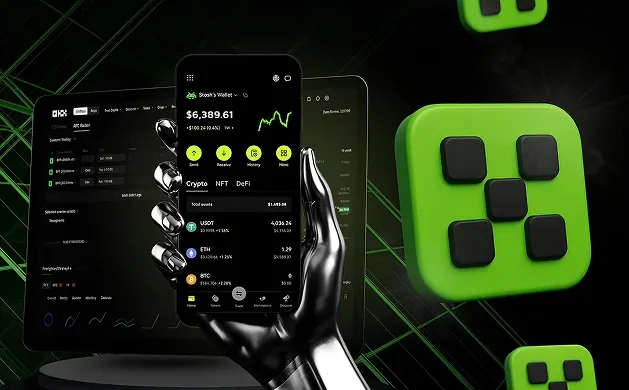
We have been testing this wallet and found it is 4 out of 5 – powerful, yet complicated for beginners.
8. Zerion
If you want to monitor your investments in DeFi and get real-time information about your assets, use Zerion. This wallet will provide you with live updates of all your balances and DeFi positions in one window. Best wallets for DeFi and NFT users must include Zerion in their list.
Used by: Investors and NFT collectors who need live analytics on their portfolios.
Supported by: Ethereum, Polygon, Arbitrum, Base, Optimism, BNB Chain, Avalanche, Solana, zkSync Era, and many others.
Unique feature: Real-time monitoring, trending token alerts, high-risk token alerts. Direct swap routing to popular protocols such as Aave, Maker, and Compound from within the wallet.
Best for: Investors in DeFi who need in-depth analysis, tax tracking, and NFT portfolio management.
Download this wallet at: zerion.io (mobile and browser extensions).
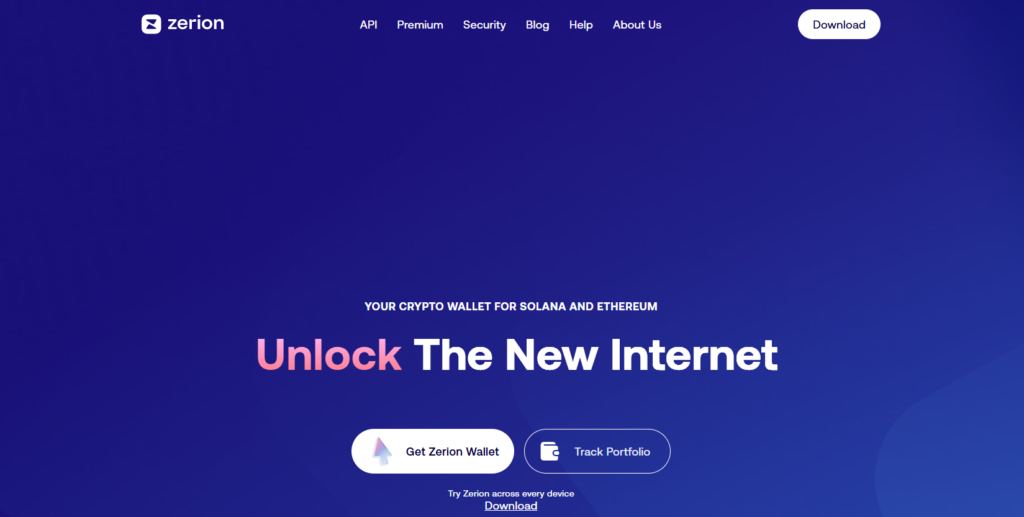
We have been testing this wallet and found it is 4 out of 5 – the best wallet for DeFi and portfolio analytics.
9. Rainbow Wallet
For those who do not care for practicality but rather look for a beautiful UI, Rainbow Wallet is the best wallet for you in 2026. This Ethereum wallet combines the beauty of design with the capabilities of a Web3 wallet and is one of the most loved wallets of Ethereum NFT collectors and DeFi investors.
Used by: Ethereum enthusiasts, NFT collectors, and people who value good-looking UI.
Supported by: Ethereum, Polygon, Arbitrum, Base, Optimism, BNB Smart Chain, and Zora.
Unique feature: Integration of ENS into Rainbow Wallet. The Watch Address feature enables following the addresses on Ethereum, even copying trades done by others.
Best for: Ethereum investors and NFT collectors who prefer beautiful design.
Download this wallet at: rainbow.me (for iOS, Android, and Chrome browser extension).
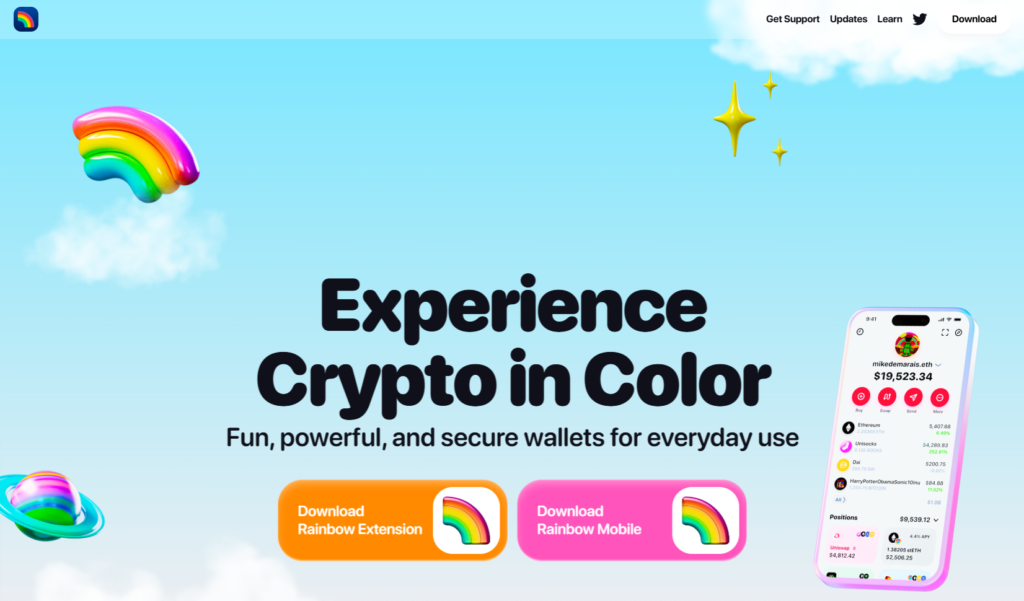
We have been testing this wallet and found it is 3.5 out of 5 – beautiful design but not as many supported chains.
10. Safe (Gnosis Safe)
As one of the most secure and robust wallets in 2026, Safe is the wallet of choice for teams and DAOs. With its multi-signature smart contract, Safe provides a layer of security as it requires two or more confirmations to perform each action. The best wallets for DeFi and NFT users cannot be discussed without mentioning Safe.
Used by: DAOs, crypto teams, institutional holders, and treasury managers.
Supported by: Ethereum, Polygon, Avalanche, Arbitrum, Optimism, Base, Gnosis Chain, Scroll, zkSync Era, and Berachain.
Unique feature: Multi-signature wallet smart contract with the requirement for 2 or more signatures before executing any actions. Also, supports batch transactions and customizable governance extensions.
Best for: DAOs, institutional crypto holders, and treasury managers.
Download this wallet at: app.safe.global (web application, nothing to download).
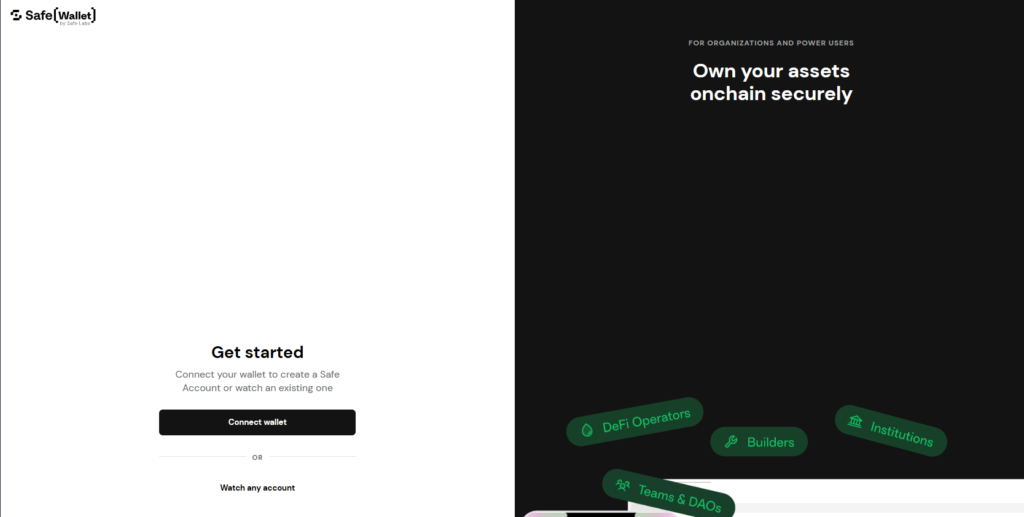
We have been testing this wallet and found it is 4.5 out of 5 – unbeatable for managing treasuries.
Conclusion
The Best Wallets for DeFi & NFT Users: The Definitive 2026 Guide shows that picking the right wallet for the task at hand is essential. There is no one wallet to suit everyone perfectly.
Power users should combine Rabby or MetaMask with a Ledger Flex hardware wallet. Solana NFT collectors should use Phantom wallet. Teams and DAOs need Safe. Beginners need Coinbase Wallet or Trust Wallet. And DeFi investors should use Zerion for tracking their portfolio.
There is only one principle to adhere to – your keys, your money. Always use a non-custodial wallet. Always back up the mnemonic phrase in a secure way. And, lastly, use a hardware wallet if you are holding significant value.