The world of traditional finance has been shaken by the unstoppable rise of cryptocurrency. The world was introduced to the concept of “be your own bank”, a way to eschew the idea of central authorities that manage your wealth. With blockchains, individuals can take complete ownership and control of their assets directly. But with great power comes great responsibility, so users are given more responsibility in managing their assets if they want to maintain their autonomy.
- Understanding the Core Difference: Custodial vs Self Custody for Crypto Asset Control
- The Case for Keep Crypto on Exchange: Exchange vs Wallet Storage Benefits
- The Risks of Centralized Storage
- The Power of Self Custody Crypto and Crypto Asset Control
- The Burden of Responsibility
- Comparing Exchange vs Wallet Storage: Custodial vs Self Custody Summary
- Frequently Asked Questions
- What is the main difference between self custody and keeping funds on an exchange?
- Is self custody safer than storing crypto on an exchange?
- Hybrid Approaches and Best Practices
One critical decision is storage: self custody crypto or centralized exchanges. This custodial vs self custody choice determines your crypto asset control level. Understanding whether to keep crypto on exchange or use self custody impacts security and autonomy. So if you are wondering which option you should go for, take a look below as we explore the various factors to consider when choosing.
Also Read: Best Crypto Exchanges: How to Choose the Right Platform in 2026
Understanding the Core Difference: Custodial vs Self Custody for Crypto Asset Control
The self custody crypto mantra “not your keys, not your coins” defines the custodial vs self custody debate. This philosophy shapes the exchange vs wallet storage decision and crypto asset control. This is also the main dividing philosophy between self-custody and exchange storage. Before diving deeper into this core differentiation, we should explain a very important and relevant concept to this differentiation: private keys. In the simplest of terms, we can conceive of a private key as a digital signature that proves ownership of a specific blockchain address.
When you keep crypto on exchange, platforms offer custodial services. This custodial vs self custody choice means surrendering crypto asset control for convenience in exchange vs wallet storage. They offer an experience similar to traditional banks, where users can simply access the financial services by logging in with their username and password and carry out their transactions. Basically, this means the one with actual ownership in this scenario is the exchange.
However, with self-custody, the user owns their private wallet and takes complete ownership of their digital asset with possession of their private keys. There is no third-party or centralized authority to help you hold your assets. This represents the pinnacle of the decentralization and autonomy promise of the blockchain.
The Case for Keep Crypto on Exchange: Exchange vs Wallet Storage Benefits
Now, given the well-known risks of decentralization, why would users keep their assets on a centralized exchange? Simple, it is very easy to use for beginners and non-technical investors. Convenience is its main benefit, and it offers this with integrated trading tools and user-friendly interfaces for users to perform transactions with their digital assets, including buying, selling, and converting from one crypto to another or to a fiat currency.

Another underdiscussed benefit of centralized exchange is the account recovery features, which help ensure you can access your account again if you lose your password, as long as the exchange is still functioning. This is not the case with self-custody, where a loss of your seed phrase means your funds are basically gone forever. Many modern exchanges also offer a plethora of additional and miscellaneous features that make financial life and management easier for users.
The Risks of Centralized Storage
While convenient, custodial services introduce “counterparty risk.” When you deposit funds, you are essentially giving the exchange an IOU. If the exchange goes bankrupt, suffers a catastrophic hack, or faces regulatory freezes, you may lose access to your assets. History is littered with examples of major platforms failing, leaving users with nothing but empty accounts and years of legal battles.
Additionally, centralized exchanges are prime targets for hackers. Because they hold billions of dollars worth of assets in “hot wallets” and “cold storage,” they are under constant attack. While security has improved significantly over the years, the centralized nature of these platforms creates a single point of failure.
Finally, keeping crypto on an exchange means you are subject to the platform’s terms of service. They can freeze your account for “suspicious activity” or comply with government requests to seize assets without your prior consent. This is the antithesis of the censorship-resistant nature of blockchain technology.
The Power of Self Custody Crypto and Crypto Asset Control
Self-custody is the ideal option for people who want to hold on to their digital assets for a long time, as well as those who care deeply about the original promise of the blockchain and decentralized finance.
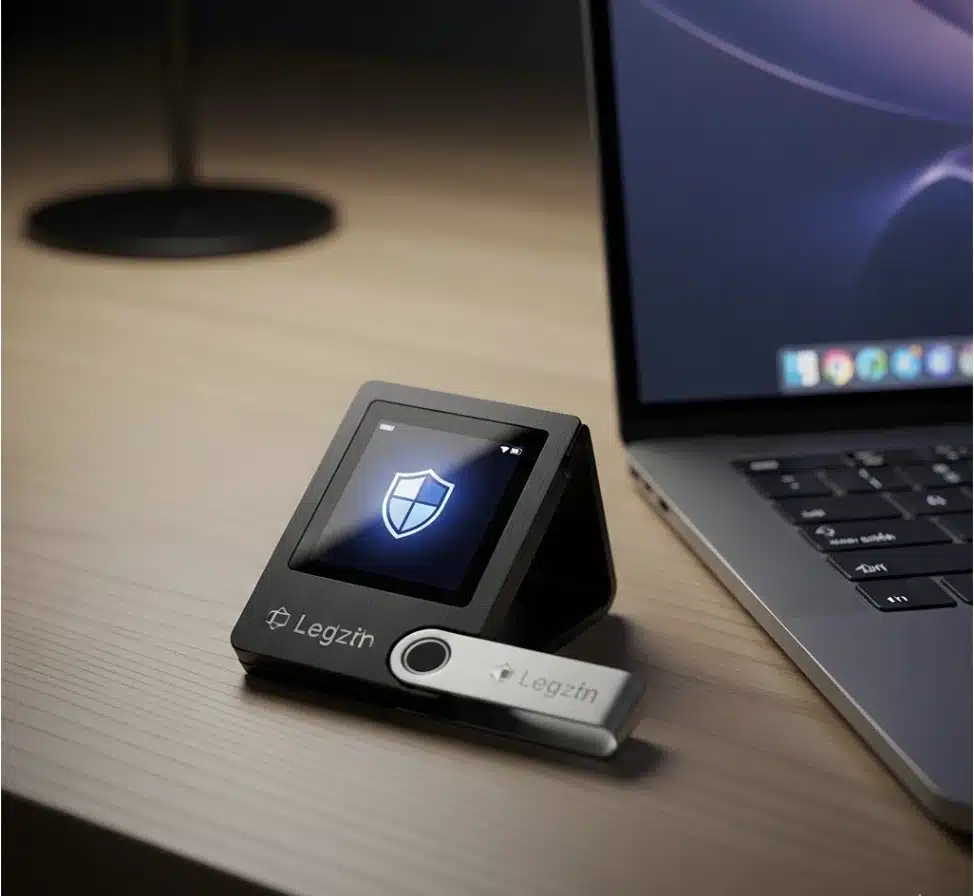
There are two main forms of self-custody: software wallets (MetaMask) and hardware wallets (Ledger). With the hardware wallets, you can keep the physical device that holds your private keys with you, away from internet-based malware and phishing attacks. All your transactions will be confirmed on the hardware itself, making it almost impossible for a remote hacker to steal your funds.
The Burden of Responsibility
The major drawback of self-custody is the lack of a safety net. You are responsible for your own security. This involves more than just keeping a device; it means safely storing a “seed phrase,” which is a series of 12 to 24 words that can recreate your wallet if the device is lost or broken.
If a malicious actor gains access to your seed phrase, they have total control over your funds. There is no way to reverse a blockchain transaction once it has been confirmed. Therefore, self-custody requires a high level of “digital hygiene,” such as avoiding suspicious links, never typing your seed phrase into a website, and physically securing your backup phrases in multiple locations.
Comparing Exchange vs Wallet Storage: Custodial vs Self Custody Summary
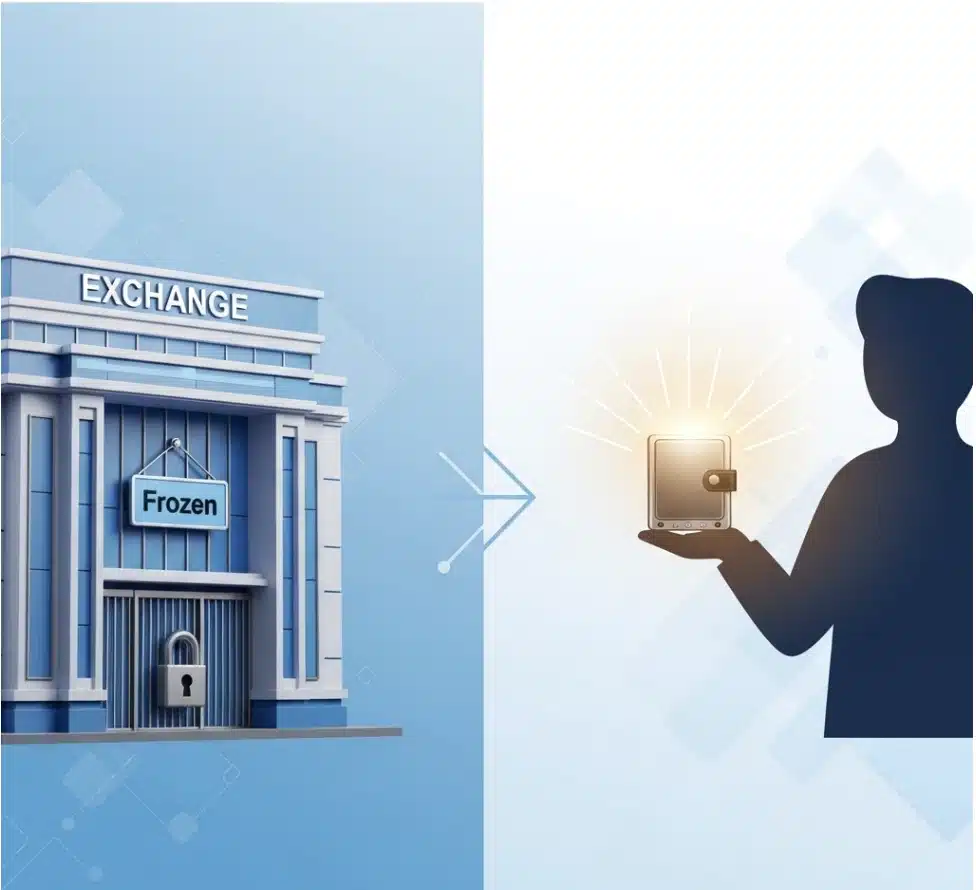
When weighing exchange vs wallet storage, consider the following factors:
- Security: Self-custody is generally more secure against platform-wide failures but more vulnerable to individual user error. Exchanges are more vulnerable to systemic risks but offer protection against lost passwords.
- Accessibility: Exchanges allow for instant trading and liquidation. Self-custody requires an extra step of sending funds back to an exchange if you want to sell for fiat currency.
- Ownership: Only self-custody offers true ownership. On an exchange, you are a creditor; with a private wallet, you are the owner.
- Privacy: Exchanges require KYC (Know Your Customer) documentation. Self-custody allows for a higher degree of pseudonymity, though transactions on public blockchains are still traceable.
Frequently Asked Questions
What is the main difference between self custody and keeping funds on an exchange?
Self custody means you control your private keys and assets, while exchange custody means the platform controls your keys on your behalf.
Is self custody safer than storing crypto on an exchange?
Self custody reduces exchange-related risks but requires you to securely manage your private keys and recovery phrases.
Hybrid Approaches and Best Practices
For many investors, the answer is not an “either or” choice but a hybrid approach. A common strategy is to keep a small amount of “walking around money” or active trading capital on a reputable exchange while moving the bulk of long-term savings into a self-custody crypto wallet.
Regardless of which method you choose, security should be your top priority. If you keep funds on an exchange, always enable hardware-based Two-Factor Authentication (2FA) such as a YubiKey or an authenticator app. Avoid SMS-based 2FA, as it is vulnerable to SIM-swapping attacks.
If you choose self-custody, invest in a reputable hardware wallet and never, under any circumstances, share your seed phrase with anyone. Treat your seed phrase as you would a physical gold bar; it should be stored in a fireproof and waterproof location, perhaps even split between two secure spots.
Disclaimer: BFM Times acts as a source of information for knowledge purposes and does not claim to be a financial advisor. Kindly consult your financial advisor before investing.