



What is Byzantine Fault Tolerance or The Double Spending Problem in Cryptocurrencies?
Byzantine Fault Tolerance is described as the capability of a system to…
Blockchain Immutability: Meaning, Significance, and Working
Immutability is the feature of Blockchain which allows data to be stored…
XRP: History, Ecosystem, Applications and Benefits
XRP History Ecosystem Applications & Benefits explained key features use cases advantages…

BNB Coin Explained: History, Working, Significance
BNB Coin is a native cryptocurrency of the Binance ecosystem and one…
The Open Network (TON) Blockchain Explained
The Open Network, or TON, is a layer-one blockchain implemented with high…

SUI Blockchain Explained
SUI is a layer-one blockchain, which is the next generation and is…

Real World Assets (RWA): What They Are, How They Work & Top 3 RWA Chains
Real World Assets are physical assets that are tokenized for faster, cheaper…
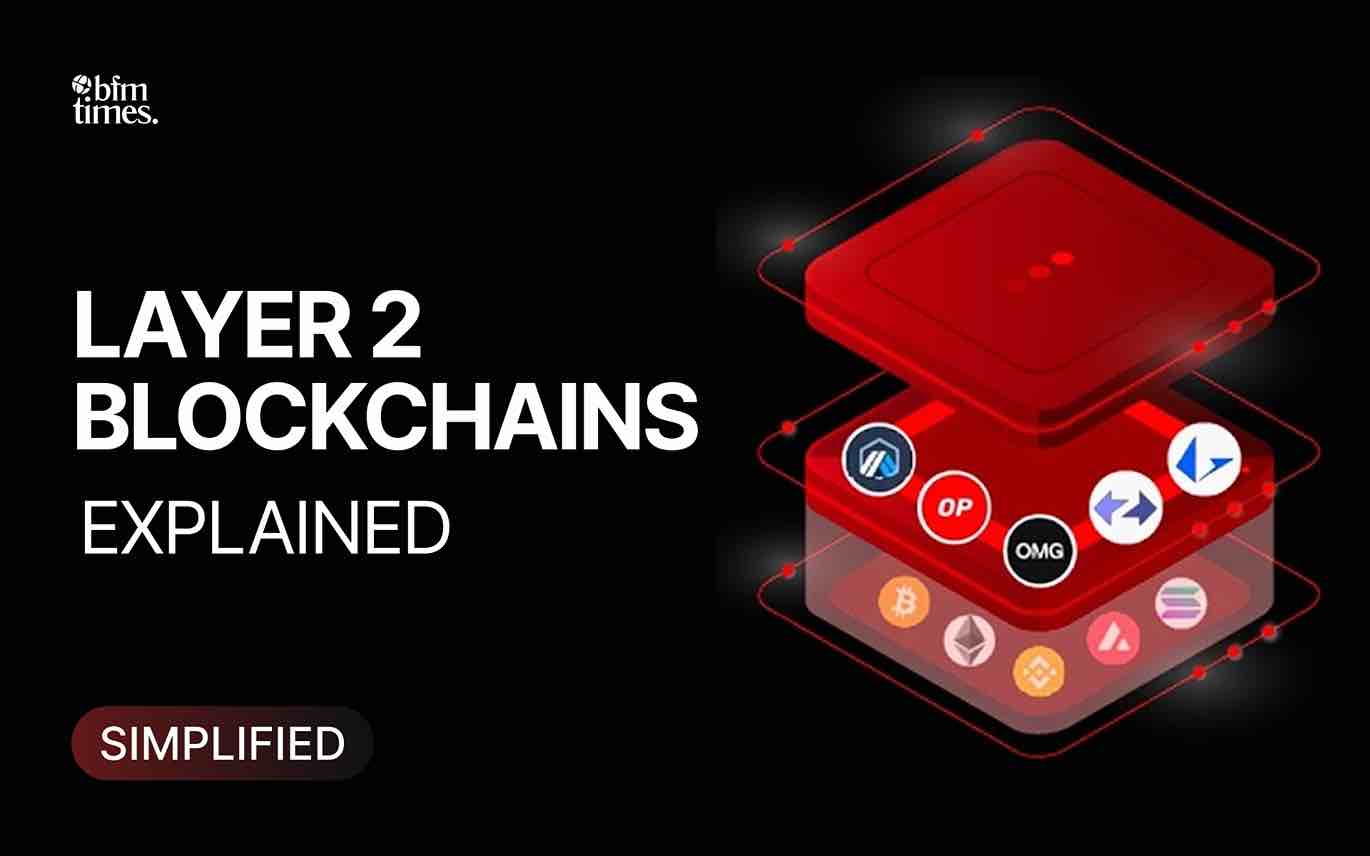
What are Layer-2 Chains in Ethereum?
Layer-2s are cheaper blockchains built on top of Ethereum and provide the…

Zero-Knowledge Protocols: Rollups, zkEVM, STARK, and SNARK
Zero-Knowledge Protocols (ZKPs) are cryptographic techniques that enable one party to demonstrate…

BRC-20 Tokens: What Are They, How They Work and How to Make Them?
BRC-20 Token Standard is the Bitcoin equivalent of Ethereum's ERC 20.
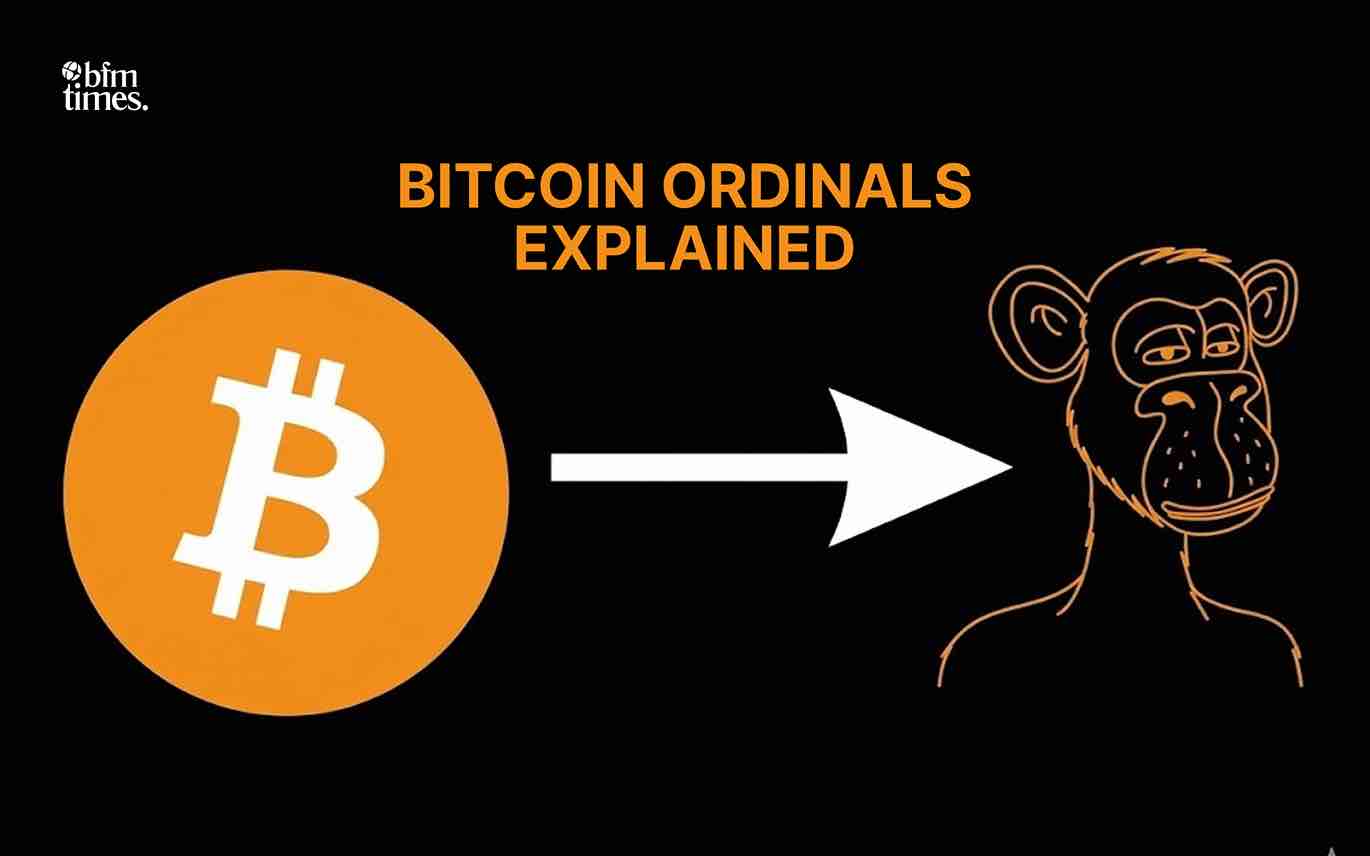
What are Bitcoin Ordinals? Working Explained
Bitcoin Ordinals are satoshis that have been converted into NFT analogs.