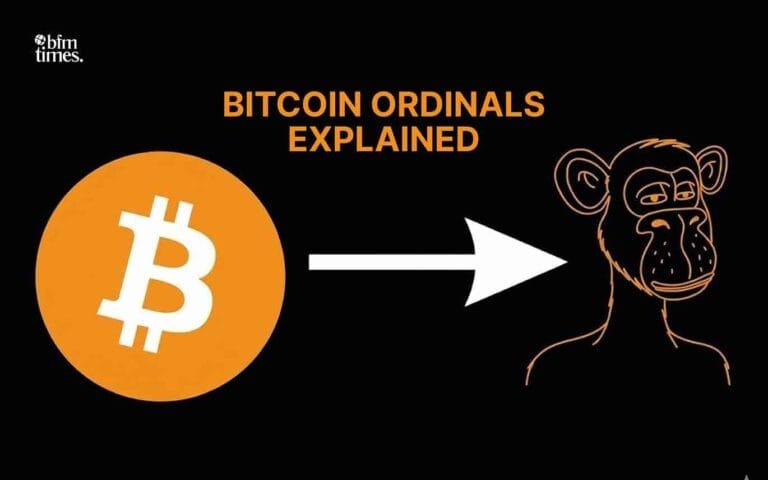
Bitcoin has always been more than just digital money. It is a technology that keeps evolving with new ideas. One of the most exciting developments in recent years is the Bitcoin Ordinals. The Bitcoin Ordinals have changed how people think about the Bitcoin blockchain. It has helped users to store unique digital content directly on Bitcoin. This blog explains about what the Bitcoin Ordinals are & how they work in simple terms.
- What are Bitcoin Ordinals?
- What is the Ordinal Theory?
- How does the Bitcoin Ordinals Work?
- What are the Types of the Bitcoin Ordinal Inscriptions?
- What are BRC-20 Tokens & Bitcoin Ordinals?
- What is the Growth & Adoption of the Bitcoin Ordinals?
- What are the Pros & Cons of Bitcoin Ordinals?
- Are Bitcoin Ordinals the Future?
- Conclusion
What are Bitcoin Ordinals?
The Bitcoin Ordinals represent an innovation that allows the association of information with particular satoshis. A satoshi is the smallest subdivision of bitcoin. There are 100,000,000 satoshis in one bitcoin. Typically, each satoshi is seen as no different from any other satoshi. With the introduction of Bitcoin Ordinals, each satoshi becomes unique.
The Ordinals protocol was launched by the developer Casey Rodarmor in January 2023 which introduced a system called the Ordinal Theory. This theory gives an unique serial number to every satoshi which has ever been mined. These numbers are called the ordinal numbers. We can think of it like a serial number printed on a currency note. Every satoshi gets its own number based on when it was mined.
What is the Ordinal Theory?
Ordinal Theory is at the heart of the Bitcoin Ordinals. This process involves assigning numbers to satoshis based on the order in which they were mined. The satoshi mined first in the genesis block of Bitcoin was assigned the ordinal number zero.
This numbering system enables individual satoshis to be traced & transferred. This has no effect on the underlying protocol of Bitcoin. The only difference is that this is done through an additional tagging system. The Bitcoin Ordinals are currently functional without a dedicated token or sidechain.
How does the Bitcoin Ordinals Work?
The true magic behind the Bitcoin Ordinals is the inscriptions. The term inscription refers to the process of inscribing data on a satoshi. These can be anything from an image, text, audio, video, or even computer code. That data remains on the bitcoin blockchain forever once it has been inscribed.
Here is how the inscription process works step by step:
- The user s first selects a satoshi to inscribe.
- Then the data is encoded into a Bitcoin transaction.
- The transaction is broadcasted to the Bitcoin network.
- The Miners then confirm the transaction & add it to the blockchain.
- The inscription then becomes permanent & immutable.
The Inscriptions can hold up to 4 MB of data. This was made possible by two key Bitcoin upgrades which are the SegWit & the Taproot. The Taproot upgrade in particular expanded Bitcoin’s ability to process complex scripts. It opened the door for the Bitcoin Ordinals to exist.
What are the Types of the Bitcoin Ordinal Inscriptions?
The Bitcoin Ordinals support various content types. Each type is identified by a MIME format. The most common inscription types contain plain text, images, HTML, & code files. The text-based inscriptions are currently the most popular on the network.
There is also a feature called the recursive inscription. It allows one inscription to reference data from another. This reduces storage costs & enables more complex digital content. The Developers use this to build layered digital art & on-chain applications.
What are BRC-20 Tokens & Bitcoin Ordinals?
The BRC-20 is a token standard built on top of the Bitcoin Ordinals protocol. It allows users to create & transfer fungible tokens directly on the Bitcoin. The BRC-20 tokens work by using text-based inscriptions to support supply & transfers of the tokens. This opened a new use case for the Bitcoin Ordinals beyond the digital art.
The BRC-20 tokens gained massive traction in 2023 & 2024. They brought a new wave of activity to the Bitcoin network. The ORDI is of the most well-known BRC-20 token. It was the first token minted under this standard.
What is the Growth & Adoption of the Bitcoin Ordinals?
The Ordinals of Bitcoin have gained popularity since its inception. By September 2024, there were over 69 million inscriptions on satoshis. This represented a rise of almost 32 percent compared to the end of 2023. Over 6,900 BTC were spent on inscription fees within that period.
The Popular Bitcoin Ordinals collections include the Ordinal Punks & the Taproot Wizards. The Platforms like Magic Eden & Ordinals Wallet allow users to buy, sell & trade them. The ecosystem continues to expand with better tools & wallets being under development.
What are the Pros & Cons of Bitcoin Ordinals?
The bitcoin ordinals offer several benefits. The information which is stored using Bitcoin has great security & decentralization. The owner controls all access rights.There are no smart contracts that need to be used & no need for any off-chain storage.
However, there are disadvantages as well. Sometimes, big inscriptions have resulted in congestion of the network. This increases the cost of the transactions. There are some purists who believe that the bitcoin network should only be engaged in financial transactions.
Are Bitcoin Ordinals the Future?
The Bitcoin Ordinals have shown that Bitcoin can do more than just transfer the value. They bring digital art, collectibles, & new token standards to the world’s most secure blockchain. The Developers are also exploring decentralized apps built using this protocol.
The technology is still evolving. The infrastructure is improving with each passing month. With each day more artists, developers & collectors are entering the space. The Bitcoin Ordinals represent a bold new chapter in Bitcoin’s history.
Conclusion
Bitcoin Ordinals have created new possibilities with respect to the Bitcoin blockchain. The Bitcoin Ordinals create an identity for every satoshi in terms of ordinal numbering & data inscriptions. The concept is rather simple but revolutionary at the same time. There are no smart contracts, side-chains or anything else. It is purely Bitcoin. The Bitcoin Ordinals are becoming more & more popular & there are no signs that Bitcoin Ordinals will stop gaining traction anytime soon. Regardless of whether you are an investor, developer or learner, Bitcoin Ordinals is something you cannot afford not to know about.