


Pointwise Summary
- By the beginning of 2026, there will be more than 40,000 units of Bitcoin ATMs in the world, and the figure is growing at a steady rate of 3.8 percent per year.
- The United States is experiencing major legal changes, as Indiana has passed a complete ban, and more than 20 other states have tightened the rules due to fraud concerns.
- The U.S. market is maturing, and Australia, South American, and European emerging markets are growing at a double-digit rate.
- The cost of transaction remains a major issue, and the fees are usually between 5 and 20 percent per transaction.
- The new generation of kiosks is not only about purchasing and selling, but also about stablecoins and international remittance.
The Strength of the Kiosk: Why Crypto ATMs are Growing in 2026
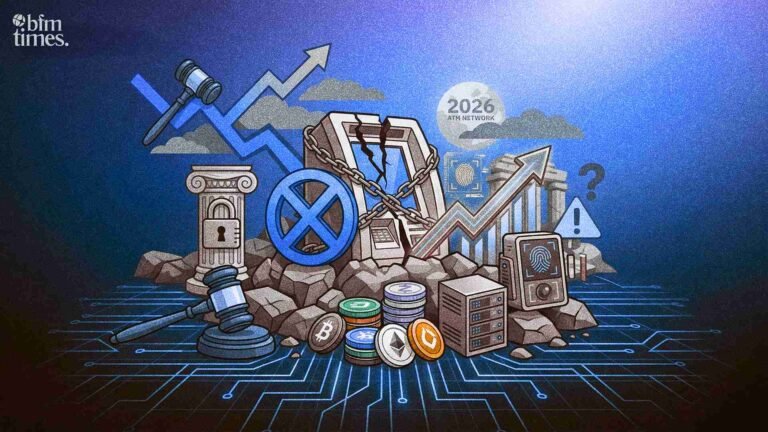
The crypto ATM death myth is largely a myth that has been developed by local regulatory battles in the United States. In reality, the industry is undergoing a titanic transformation of a niche novelty into an institutionalized component of the financial system of the world. The machines are being phased out in certain regions, but the total global footprint is expanding because of the necessity of physical access to digital resources.
There was a significant flight to quality in the market in 2025 and early 2026. Smaller, fly-by-night companies are being forced out of business by larger, compliant companies capable of navigating the ever-increasing AML (Anti-Money Laundering) and KYC (Know Your Customer) regulations. This is a positive indication of a maturing industry, not a dying one.
The Great Regulatory Divide
The crypto ATM landscape is now divided into two extremes. In the U.S., the fear of pig butchering schemes and elder abuse has resulted in the enactment of aggressive laws. In March 2026, Indiana became the first state to issue a complete ban on such kiosks. On the other hand, other nations such as Australia have experienced a 43 percent growth in installations in the past year, and they are now emerging as new leaders in the space.
Why People Still Use Them
Although online transactions may be cheaper, crypto ATMs survive because they provide two things that cannot be found on the digital platform: physical cash conversion and relative immediacy. These machines represent a lifeline to the unbanked or underbanked people in the emerging markets as they transition to the digital economy.
Context: The 2026 Market Environment
By 2026, the crypto ATM market is estimated to be worth over 540 million dollars globally. Bitcoin is no longer the only factor in the industry. Since the enactment of significant digital asset laws such as the GENIUS Act in the U.S., kiosks are becoming capable of accepting stablecoins to make cross-border payments. This utility move is what justifies the existence of hardware in convenience stores and transportation hubs.
Also Read: 10 Best Crypto Books for Beginners in 2026: The Ultimate List
Frequently Asked Questions
Why are the fees so high at Crypto ATMs?
Operators face significant overhead, including physical security, hardware maintenance, cash logistics, and high compliance costs. These expenses are passed to the user, resulting in fees that far exceed those of online transactions.
Will a Crypto ATM be safe in 2026?
Although machines are safer than ever with biometric capabilities, the risk often lies in social engineering scams, where victims are coached to send money to a fraudster. Always ensure you are sending to a wallet you personally control.
Are there alternatives to using a physical kiosk?
Yes. Regulated mobile apps or centralized exchanges allow users to use them at lower fees. However, for those requiring a cash-to-crypto transaction, physical kiosks or dedicated retail over-the-counter services are the most common.
Will more states ban Crypto ATMs?
The trend indicates that more states will move toward strict licensing and transaction limits instead of bans. Most regulators prefer a “regulated and taxed” approach over a complete prohibition.
Disclaimer: BFM Times acts as a source of information for knowledge purposes and does not claim to be a financial advisor. Kindly consult your financial advisor before investing.