


The blockchain revolution has changed how we think about digital transactions and shared systems. We see growing use which makes understanding the structure important for anyone in crypto. It means the debate around Layer 1 vs Layer 2 blockchains sits at the center of blockchain growth. This guide explains how these designs solve different problems in the crypto space. These layers handle separate tasks in the network. They work together to build a fast and reliable blockchain system.
- What Are Blockchain Layers?
- What Is a Layer 1 Blockchain?
- What Is a Layer 2 Blockchain?
- How Do Layer 1 vs Layer 2 Scaling Differ?
- What Is the Layer 2 Solutions Crypto Ecosystem?
- What Is Blockchain Scalability?
- How Do Layer 1 vs Layer 2 Blockchains Compare?
- What Technical Considerations Matter for Blockchain Layers?
- What Are the Economic Implications of Layered Blockchains?
- What Are the Security Perspectives of Layer 1 vs Layer 2?
- How Is User Experience Evolving in Blockchain?
Today in this article Users will understand about Layer 1 vs Layer 2 Blockchains: Key Differences Explained on BFM Times.
What Are Blockchain Layers?
The blockchain system works through the clear design layers. We see each layer serve a very clear role in the full network. It works like a building where each level has its own job. This base helps in supporting everything above it. These layers work together to create a working system. They help the builders solve the hard problems step by step. This approach allows growth without hurting any of the core network safety.
What Is a Layer 1 Blockchain?
Layer 1 is the base rule set of the blockchain network. We see it as the main chain where all of the other actions are finished. Some of the examples include Bitcoin and Ethereum. These networks run on their own without any need of support from any other chains. They manage the agreement systems, check the transactions and perform the network safety. These rules define how the full system should work.
Core Components of Layer 1
The agreement system is the core of any Layer 1 blockchain. We see that the Proof of Work and the Proof of Stake as common methods. It ensures all users agree on these valid actions. This block size and block time control how many actions pass. These network nodes store full copies of the chain record. They allow smart actions on some Layer 1 networks. These safety tools protect the network and keep it stable for the users.
Popular Layer 1 Blockchains
Bitcoin started the Layer 1 idea back in 2009. We still see it as the most secure and open network. It brought many smart actions and shared apps. This Solana focuses on fast actions using new agreement ideas. These Cardano values research led growth and long term support. Avalanche gives near instant final steps for the fast checks. Polkadot allows links between different blockchains. This network adds special features to the system.
Advantages of Layer 1
Safety is the main strength of the Layer 1 blockchains. We see the base layer offer the highest level of openness. Its direct settlement removes any of the middle risk. These upgrades can bring deep changes to the network. These chains run on their own without need of any outside help. They trust comes from years of proven use. The main chain acts as the final record.
Challenges Facing Layer 1
The scaling is the main issue for Layer 1 blockchains. We see Bitcoin handle about seven actions each second. Ethereum handles about fifteen to thirty actions each second. This causes crowding during high use times. These high fees come from limited block space. Their energy use raises concerns for Proof of Work systems. The upgrades need agreement from the full network. The trilemma forces balance between safety, openness and scale.
What Is a Layer 2 Blockchain?
The Layer 2 systems sit on top of the Layer 1 networks. We see them handle actions off the main chain to boost the speed. It gains safety from the Layer 1 base. This design aims to raise output without losing any openness. These actions process fast on Layer 2 then settle on Layer 1. Their method blends with speed and safety. Layer 2 systems are now key for the blockchain scale.
How Layer 2 Works
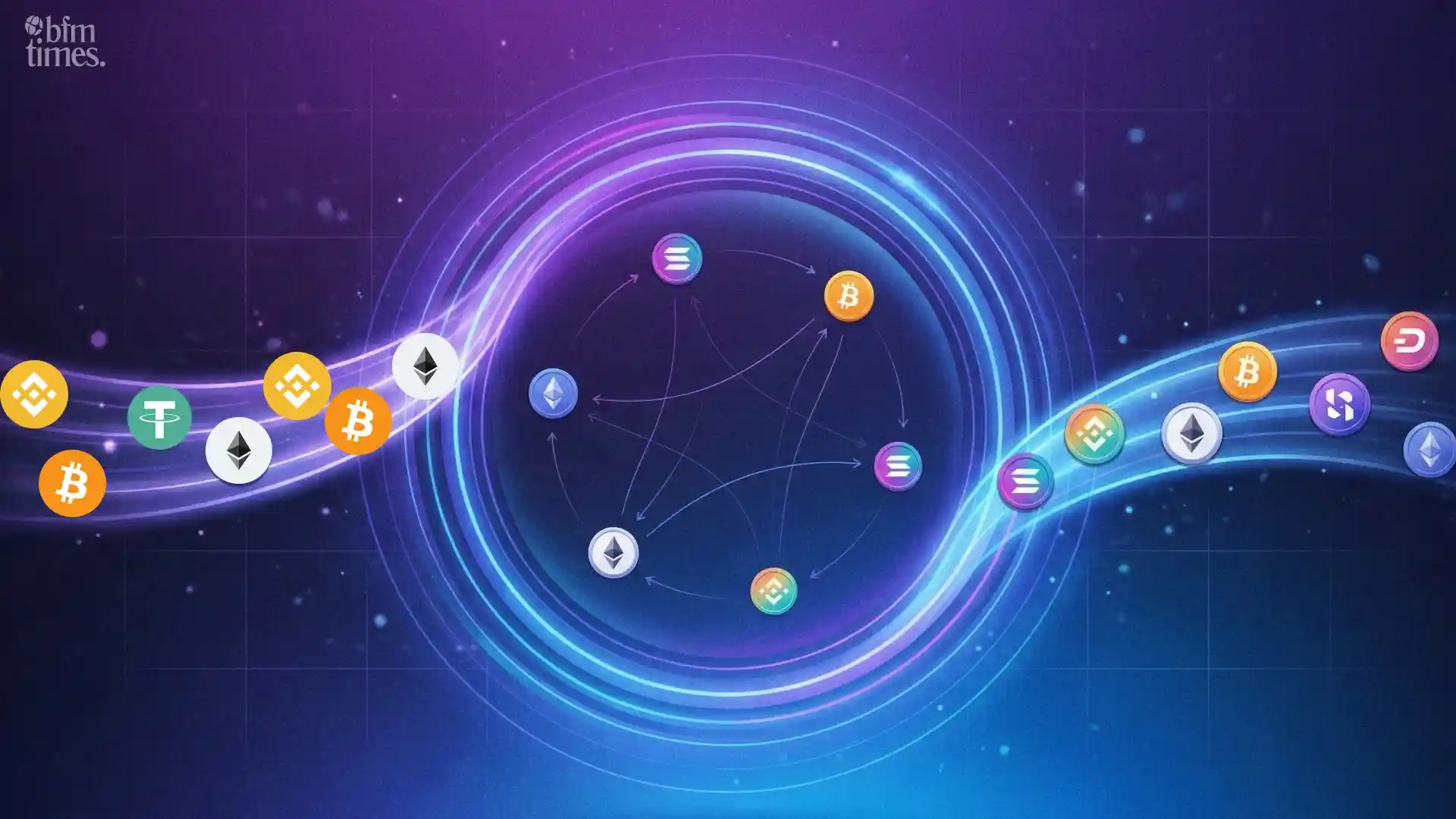
The Layer 2 shifts action work away from the main chain. We see actions grouped and then they are handled in bulk. It then moves to Layer 1 at a set time. This lowers the load on the base chain. These math tools ensure off chain action checks. This helps the users get fast results and lower the costs. The main chain still gives final approval and safety.
Types of Layer 2 Solutions
The state channels let users trade off chain many times. We see that only the start and end steps touch Layer 1. Lightning Network uses this well for Bitcoin. These sidechains act as separate chains linked to the base. These chains use their own rules and their own checks. These rollups pack many actions into one Layer 1 step. The optimistic rollups assume actions are valid unless they are challenged. The zero knowledge rollups use math proof for quick checks. Plasma chains form child chains that report back to Layer 1.
Benefits of Layer 2
The speed rises sharply on the Layer 2 networks. We see sometimes some handle thousands of actions each second. Its fees drop far below that of the Layer 1 levels. This helps the users enjoy near instant results quickly. These gains come without changing any of the base rules. They open new uses like tiny payments. This makes the gaming and social apps become practical.
Layer 2 Limitations
The safety depends on the Layer 1 base. We see some systems add extra trust which is needed. Its users may wait when moving assets back to Layer 1. These funds may split across many Layer 2 systems. These steps can feel harder than Layer 1 use. Not all systems keep equal openness. The contract support differs across designs & exit times can last from hours to sometime even days.
How Do Layer 1 vs Layer 2 Scaling Differ?
The scaling paths differ between Layer 1 and Layer 2. We see that the Layer 1 scaling changes the core rules. It may raise the block size or boost the agreement speed. This Ethereum move to Proof of Stake shows Layer 1 scaling. These changes need full network support. They move slowly but bring lasting gains. While Layer 1 keeps the safety strong.
The Layer 2 scaling shifts work off the base chain. We see there is no need to change core rules. Its builders move fast with keeping the Layer 2 ideas. These many Layer 2 systems can run on just one Layer 1. These form a flexible scale model. They grow beyond just the Layer 1 limits.
What Are the Scalability Trade offs?
The Layer 1 scaling keeps the top safety and openness. We see that the changes affect all the users. It takes time due to full agreement needs. This Layer 2 scaling allows the users in fast testing and its growth. These tools fit specific needs. They may trade some openness for the speed but the safety now includes Layer 2 rules.
What Is the Layer 2 Solutions Crypto Ecosystem?
The Layer 2 space has grown fast in some of the recent years. We see Polygon lead Ethereum scaling work. It offers sidechains and rollups. This Arbitrum uses optimistic rollups to ease the crowding. These Optimism uses a similar method with different details. They zkSync uses zero knowledge proof for speed and privacy. StarkNet adds another zero knowledge option with new ideas.
The Lightning Network changes the Bitcoin small payments. We see instant moves with tiny fees. Immutable X targets NFT trade with zero gas fees. This Loopring blends exchange tools with Layer 2 speed. These Base by Coinbase adds large group use to Layer 2. They each aim at unique uses.
Real World Applications
The finance apps move to Layer 2 for the lower costs. We see that the easy token swaps and pool use. Its NFT markets cut mint costs on Layer 2. These games need the high speed that Layer 2 provides. These payment systems use Layer 2 for fast settlement. These social apps test small tip features. Global transfers become cheap through Layer 2.
What Is Blockchain Scalability?
The blockchain scale shows how a network handles the growth. We see it measure the speed and the wait time of the users. The older chains sometimes struggle with the mass use. This Visa handles thousands of actions each second. These Bitcoin and Ethereum lag far behind. These scale fixes must keep safety and openness. His trilemma shapes this challenge.
The Blockchain Trilemma
The openness keeps control over the spread wide. We see that the safety block attacks and protects the user data. Its scale allows fast, cheap actions. This balance is hard to reach. These Layer 1 designs focus on safety and the user’s openness. They limit speed as a result. Layer 2 tries to solve this.
Measuring Scalability
The actions per second show the user the raw power. We see wait time shape the user’s feelings. Its fees show access cost. This network load shows peak use ability. These openness checks review node spread. Their safety tests attack the defense. His full view needs all measures.
How Do Layer 1 vs Layer 2 Blockchains Compare?
The choice depends on our goals. We see the high value moves fit Layer 1 safety. Its large group transfers should settle on Layer 1. This long term asset holds the safest on the base chain. These uses favor safety over any speed.
Layer 2 fits frequent small actions. We see that the daily payments work better there. It trading and pools gain from low fees. These games need the speed from Layer 2. These social apps need fast results. Most users will use both the layers.
What Are the Future Trends for Layer 1 & Layer 2
The Layer 1 chains keep improving these rules. We see sharding boost base power. New agreement ideas raise the speed. These links between Layer 1 chains grow. These bridges move assets across the chains.
Layer 2 use keeps rising. We see builders start on Layer 2 first. Its screens hide the layer shifts. These Layer 3 ideas may build on Layer 2. These modular designs split roles. His system moves to many layers.
What Technical Considerations Matter for Blockchain Layers?
The builders must know the safety rules that are there per layer. We see that Layer 1 gives the users math based trust. Layer 2 adds extra trust which is needed. These contract risks exist on both sides. These checks grow harder with the layers.
The links between the layers need to be with the strong design. We see that the asset moves need safe paths. Its users must know the wait times. This wallet support keeps improving. These fee tokens differ by the network. The links rule slowly.
What Are the Economic Implications of Layered Blockchains?
The Layer 1 fees pay miners or checkers. We see high fees push small users away. It moves to Layer 2. This Layer 2 splits value flow. These values stay on Layer 2. Their base settlement still earns Layer 1 fees.
The market size grows with scale. We see low fees enable tiny payments. New regions gain access. This finance reach grows with Layer 2. These gains help the full crypto space.
What Are the Security Perspectives of Layer 1 vs Layer 2?
The Layer 1 safety stands strong over time. We see that Bitcoin avoids any of the core attacks. Ethereum keeps the safety despite its size. This openness adds more defense. These chain anchors increase trust.
Layer 2 safety differs by the design. We see some use fraud checks. It others use math proof. This bridges pose key risks. These past bridge hacks show the danger. He must review Layer 2 safety. She space keeps learning and improving.
How Is User Experience Evolving in Blockchain?
The early users accepted the slow and costly actions but now we see that the mass use needs a better feel. Layer 2 brings the easy use. This speed matches the current card systems. These fees drop for most of the daily tasks.
After joining, Layer 2 grows simple. We see that some exchanges send funds straight to Layer 2. Its users skip Layer 1 often.
Conclusion
At last, we can conclude that the understanding of Layer 1 vs Layer 2 blockchains matters for the future. We see that Layer 1 gives strong safety and openness while on the other hand Layer 2 adds speed and low cost. If we See Both layers are equally needed. These paths support each other. The system moves to many layers. The safely stays on Layer 1 and shifts to Layer 2 & its mixes and unlocks the global use. The future will hide layer lines from its users. They joined layers that will power shared tech. The clear view helps in making smart crypto choices.
Disclaimer: BFM Times acts as a source of information for knowledge purposes and does not claim to be a financial advisor. Kindly consult your financial advisor before investing.