




WASHINGTON D.C. — With the United States about to commence the 2026 midterm election cycle, the entire global investment community and crypto market analysts are now looking to see how the high-stakes US midterm election will impact the future direction of the price of Bitcoin. While the US midterm election may be perceived as a mere political event by the uninitiated, the historical data available on the US midterm election reveals that the 2026 US midterm election may be the primary catalyst for the next big move in the crypto market.
According to a recent market report by Binance Research, midterm election years are the worst-performing period in the entire presidential cycle for risk assets such as the S&P 500. This poor performance is largely due to the political uncertainty that often accompanies the US midterm election. For the crypto market, which has increasingly correlated with the performance of the S&P 500 over the last two years, the US midterm election may be a period of massive volatility followed by a massive recovery.
Related: OCC Proposes GENIUS Act Stablecoin Rules: A Landmark Federal Framework for Digital Dollars (2026)
The Midterm Volatility Factor
The midterm slump is a well-known phenomenon in traditional finance. For the S&P 500 index, on average, there is a historical peak-to-trough pullback of 16% during midterm years. Seven out of ten midterm cycles experienced a correction greater than 10%.
Analysts believe that Bitcoin is likely to follow or increase these trends. Past cycles showed that Bitcoin is vulnerable to the ‘Political Risk Premium,’ in which investors take into account the risk of shifting congressional power. With the 2026 elections deciding the composition of the Senate and the House of Representatives, the stakes for the digital asset industry are higher than ever.
Regulatory Implementation: The GENIUS Act
While considering sentiment trends, the 2026 elections are important from a different perspective. The landmark legislation on digital assets is set to be implemented 12 to 24 months after the November 2026 elections. The GENIUS Act was passed in 2025 and set up the first federal framework for stablecoins in the United States.
“The November 2026 U.S. midterm elections may be a structural turning point for crypto markets,” said a lead analyst at XWIN Research Japan. “It is not merely a political event. It is a catalyst for the implementation of regulations. The political composition of Congress after the 2026 midterm vote will impact the ease with which the GENIUS Act moves toward full implementation.”
Current prediction markets are indicating a high probability of a divided Congress, with Republicans likely to capture the Senate and Democrats maintaining a strong presence in the House. For the crypto market as a whole, a divided Congress is perceived as a “neutral-to-positive” outcome. A divided Congress would likely prevent any abrupt, radical changes in the way the United States regulates crypto-assets.
Suggested: Signs of a Bottom: Crypto Market Sees Quick Recovery Amid US-Israel-Iran War
Liquidity and the Federal Reserve
The political cycle is about to intersect with a significant shift in the way the Federal Reserve manages monetary policy. Experts predict that by early 2026, the Fed will have finished its quantitative tightening (QT) program. Historically, the end of the Fed’s balance sheet reduction is a strong bullish indicator for the price of Bitcoin.
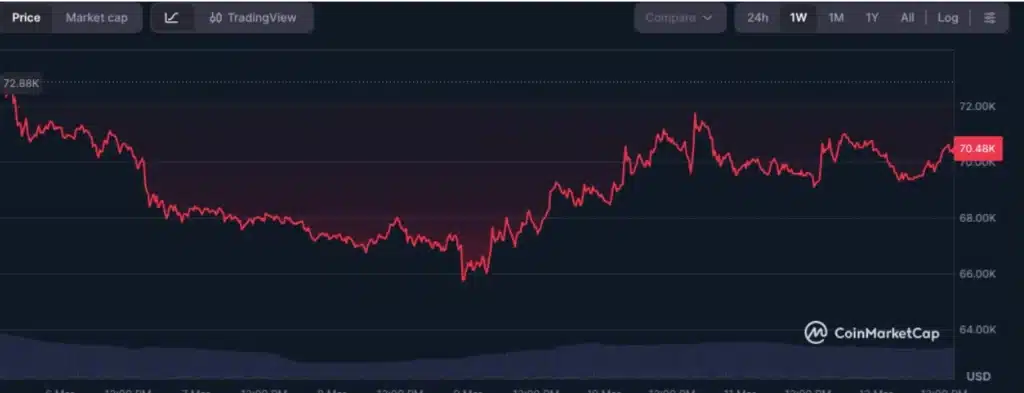
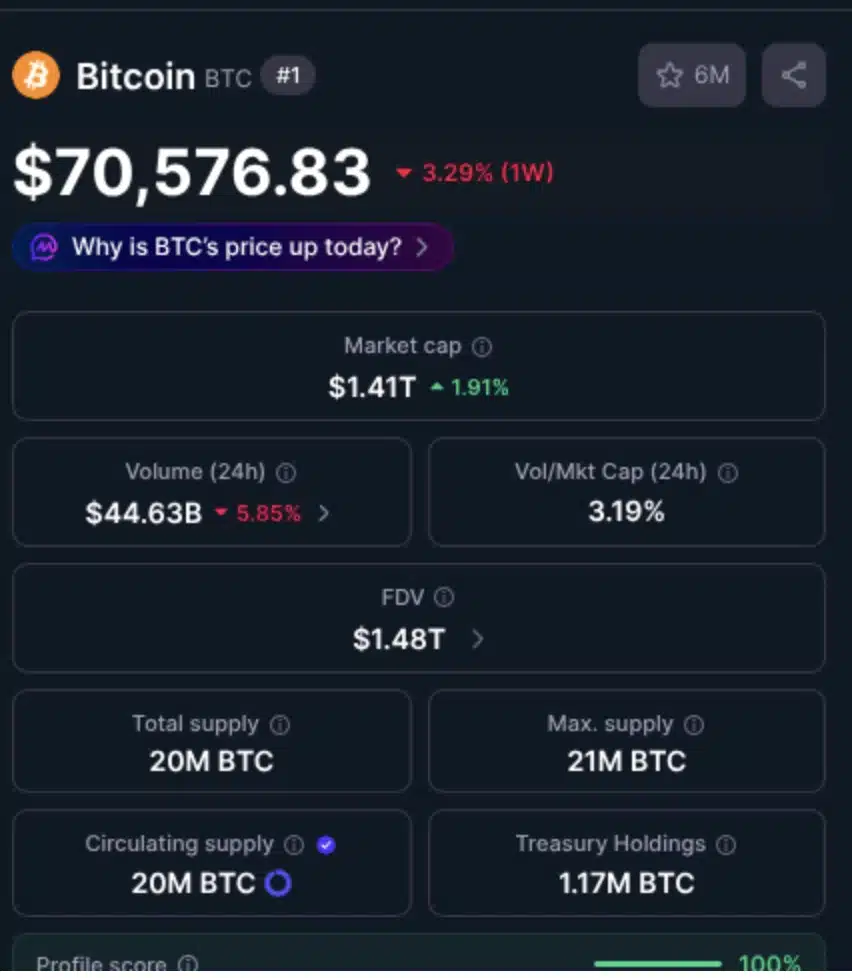
Data from previous cycles indicates that it is possible for Bitcoin to appreciate by as much as 40% within a period of time after a pause by the Fed in outflows of liquidity. Additionally, a boost in liquidity that is typical during the fourth quarter of an election year is also a possibility. According to analysts at CoinMarketCap, this could mean a “perfect storm” that could result in a recovery that starts as late as 2026.
The Institutional Stance
The 2026 cycle is also a first, as it is a midterm election season during which the crypto market is a major financial player in Washington, D.C. According to reports from various campaign finance groups like Fairshake.org, it is indicated that the crypto market entered 2026 with more than $193 million in cash reserves that are meant to be directed towards pro-innovation candidates.
This is a strategy that could result in a favorable legislative outcome that could see the passing of the CLARITY Act. In case a favorable Congress is elected during the midterms, it is possible that the political risk that is affecting Bitcoin could become a “tailwind.”
Also Read: Crypto Markets will Lead Global Finance after US-Israel-Iran War
Looking Toward the Post-Election Rally
While it is true that the time leading up to November 2026 is a period of “choppy” markets and unexpected sell-offs, it is also a time that ultimately proves profitable for those willing to wait it out. In fact, as a result of historical data from every U.S. midterm election since 1950, it has been shown that 12 months after the election is a time of robust market performance.
“The midterms will not produce an overnight transformation. However, they will set the regulatory tempo for the following two years. That tempo matters enormously for institutional capital planning cycles.”
What this means for those invested in Bitcoin is that 2026 is a year of transition. The fact that it is a year of divided government, stablecoin laws, and easy monetary policy means that while it is a struggle at the beginning of 2026, it is a time that could ultimately provide the foundation for Bitcoin’s next historic run.
Summary of Key Drivers for 2026:
- Historical Weakness: The average 16% drawdown that occurs during a midterm election is a reality that Bitcoin investors must face.
- Policy Clarity: The implementation of the GENIUS Act is dependent upon the post-election congressional landscape.
- Monetary Easing: The potential for the Federal Reserve to stop its QT program at the beginning of 2026 will provide a boost to markets.
- Political Spending: Record-breaking political contributions from the crypto industry are aimed at passing favorable legislation.
It is advised that investors track polling data as well as Federal Open Market Committee minutes during the summer of 2026 to gauge the onset of these market-moving events.
Disclaimer: BFM Times acts as a source of information for knowledge purposes and does not claim to be a financial advisor. Kindly consult your financial advisor before investing.
Why are crypto markets paying close attention to the 2026 U.S. midterm elections?
Because the election outcome could determine future U.S. crypto regulation and policy direction, which strongly influences investor sentiment and market liquidity.
How do U.S. midterm elections historically affect Bitcoin and crypto prices?
Crypto markets often experience volatility before elections, but historically rally afterward as political uncertainty fades.
What political factors in the 2026 midterms could impact crypto markets?
Debates over crypto legislation, regulatory agencies, and pro-blockchain candidates could shape adoption, investment flows, and overall market confidence.