


ERC-20 is the most common standard for developing interoperable tokens on the Ethereum blockchain. The ERC-20 standard was introduced in 2015 and set out the main rules that all Ethereum-based tokens must adhere to to work with wallets, exchanges, and smart contracts.
- Table of Contents
- How Does an ERC-20 Token Work in the Ethereum Ecosystem?
- 1. Standardized Smart Contract Code
- 2. Transaction Execution via the EVM
- 3. Wallet Compatibility
- 4. Integration with DeFi & DApps
- 5. Security & Transparency
- How to Create ERC-20 Tokens
- 1. Comprehend the ERC-20 Interface
- With these methods, the tokens can be moved and used freely across the Ethereum ecosystem.
- 2. Create a Smart Contract in Solidity
- 3. Deploy the Token on Ethereum
- 4. Verify the Contract on Etherscan
- 5. Add Token to Wallets & Exchanges
- Top 5 ERC-20 Tokens (By Popularity & Use Cases)
- Conclusion
Primary functions such as transfer, approve, balanceOf, and totalSupply are among these rules, which make ERC-20 tokens capable of migrating across the Ethereum network without issue.
Since ERC-20 is widely accepted, it has become the basis for many tokens, including stablecoins, governance tokens, utility tokens, and DeFi assets. Developers favor ERC-20 because of its security, efficiency, and ease of deploying smart contracts.
Table of Contents
How Does an ERC-20 Token Work in the Ethereum Ecosystem?
ERC-20 tokens are deployed as smart contracts on the Ethereum Virtual Machine (EVM). They differ from ETH, the native currency of Ethereum, in that ERC-20 tokens are treated as contract-based digital assets governed by programmable code.
Let’s take a look at the working of ERC-20 within the Ethereum ecosystem:
1. Standardized Smart Contract Code
A standard interface of functionalities is utilized for all ERC-20 tokens, which means that all tokens and their features remain alike irrespective of their storage in a hardware wallet, DeFi protocol, or a centralized exchange, among other places.
2. Transaction Execution via the EVM
An ERC-20 token transfer is an event that activates an intelligent contract function in the token contract. The Ethereum network handles this operation and requires a certain amount of computational resources called gas.
3. Wallet Compatibility
MetaMask, Trust Wallet, and Ledger are among the well-known wallets that automatically detect ERC-20 tokens by adhering to the same rules. This feature of universal compatibility has contributed a lot to Ethereum’s status as the largest innovative contract ecosystem.
4. Integration with DeFi & DApps
Tokens based on the ERC-20 standard are of utmost importance in decentralized finance (DeFi). There are numerous protocols, such as Uniswap, Aave, Compound, and Curve, that use ERC-20 tokens for their liquidity pools, lending, yield farming, governance, and staking.
This interconnectedness means that tokens can be exchanged without disruption across various applications.
5. Security & Transparency
Each ERC-20 transaction can be easily accessed on Etherscan, which reveals details on the token’s supply, transfers, and smart contract code, making the whole process transparent. The open-source nature of the process serves as a barrier to fraud and builds trust among users.
How to Create ERC-20 Tokens
Creating an ERC-20 token is a piece of cake for developers who know the basics of Solidity. Follow these steps:
1. Comprehend the ERC-20 Interface
The ERC-20 standard has the following functions, along with others:
• totalSupply()—it indicates the total count of tokens
• balanceOf()—it shows the amount of tokens held by a given address
• transfer()—it means to move tokens from one account to another.
• approve()—it means to permit a different account to use your tokens
• transferFrom()—it is the process of performing transfers that have been allowed.
• allowance()—it gives the remaining balance that has been approved
With these methods, the tokens can be moved and used freely across the Ethereum ecosystem.
2. Create a Smart Contract in Solidity
The developers prepare the ERC-20 smart contract in Solidity. The OpenZeppelin library is the most preferred, as it provides secure, audited templates, thereby minimizing the risk of vulnerabilities.
Here is an elementary version of what an ERC-20 token contract contains:
• the name of the token
• the symbol of the token (e.g., ABC)
• the number of decimals (usually 18)
• the total amount of tokens minted
• the option of controlling the ownership (optional)
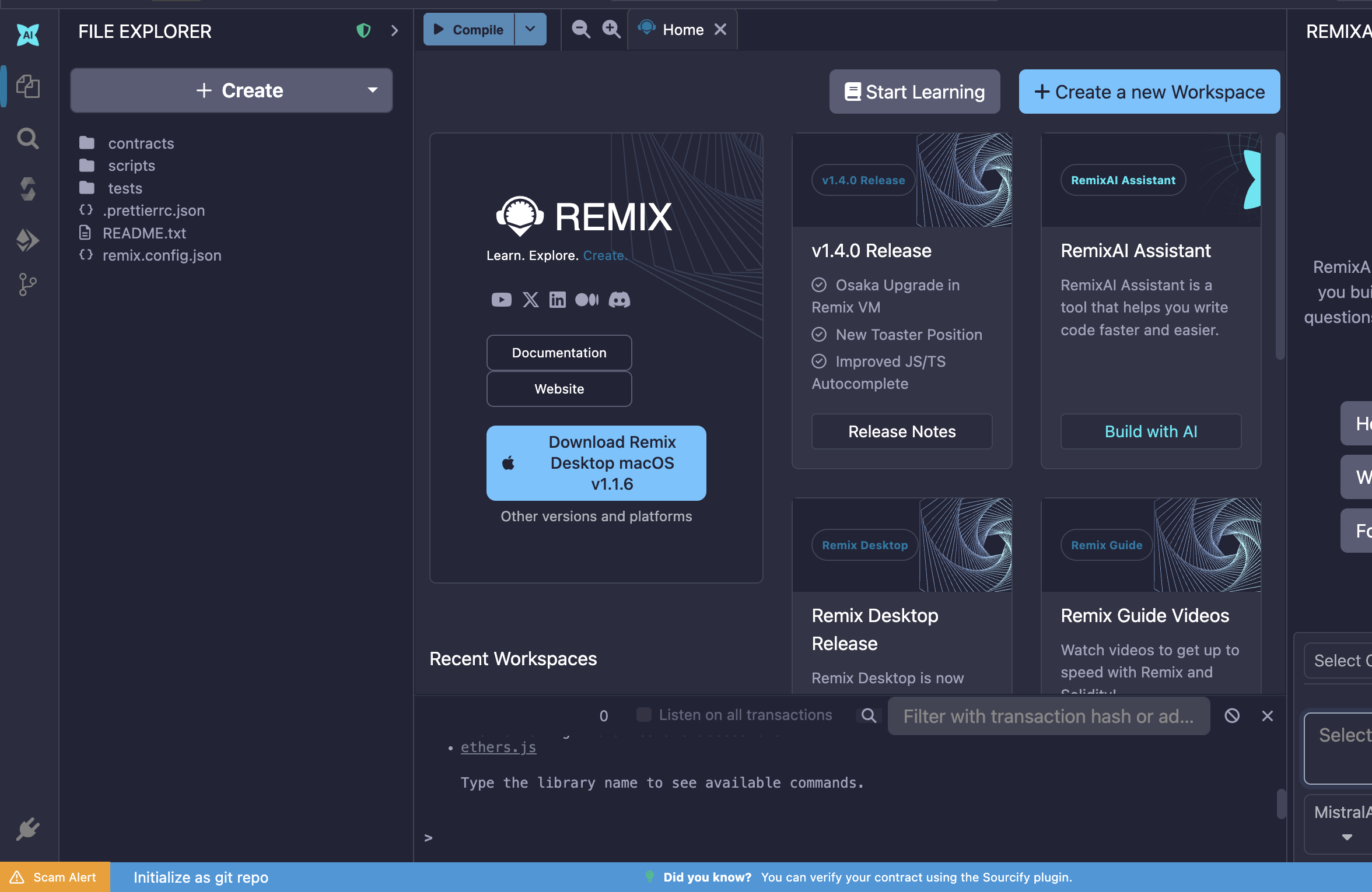
3. Deploy the Token on Ethereum
Once the coding is done, the developer makes use of various tools to deploy the contract, such as
• Remix IDE (based in the browser)
• Hardhat
• Truffle
The deployment process consumes ETH for gas fees. The token contract address will be made public after the contract is deployed.
4. Verify the Contract on Etherscan
Verification is a way to gain users’ trust in the token, as it allows users to see the source code.
5. Add Token to Wallets & Exchanges
With the given contract address, users can either manually or automatically add the token to their wallets. If the idea takes off, the inventor can apply for listings on exchanges or integrate his/her token with DeFi platforms.
Top 5 ERC-20 Tokens (By Popularity & Use Cases)
1. USDT (Tether)
USDT is the first stablecoin in the cryptocurrency world by market cap. Initially built as an ERC-20 token, it is linked to the U.S. dollar and is primarily used for trading, remittances, and liquidity provision in DeFi. Its extensive liquidity puts it at the top of the list of the most significant ERC-20 tokens worldwide.
2. USDC (USD Coin)
USDC is yet another dollar-pegged stablecoin that is widely liked and is also highly regulated and transparent. It is accepted for payments, used in lending protocols and yield strategies, and is a safer option for traders seeking stability.
3. UNI (Uniswap)
The UNI token is the governance token of Uniswap, which is the largest decentralized exchange on the Ethereum blockchain. The holders of UNI tokens decide on protocol upgrades, fee distribution, and changes to liquidity.
Thanks to the massive volume of trading Uniswap processes every day, UNI always remains on Ethereum’s list of top ERC-20 assets.
4. LINK (Chainlink)
LINK is the cryptocurrency that is used within the Chainlink decentralized oracle network. It is the token that pays the node operators for providing secure, reliable off-chain data to smart contracts.
Chainlink is a vital part of the DeFi sector, along with blockchain gaming and real-world asset tokenization, thus making LINK an essential ERC-20 token.
5. SHIB (Shiba Inu)
SHIB is a cryptocurrency that started as a meme and has gradually transformed into a large ecosystem with components such as ShibaSwap, NFTs, and layer-2 networks like Shibarium. The token’s large community and liquidity make it one of the most popular ERC-20 tokens for trading on Ethereum.
Conclusion
The ERC-20 token standard is the main component of the Ethereum token ecosystem and enables the operation of thousands of tokens across DeFi apps, wallets, and smart contracts without issues. The tokens are still used for various purposes, such as payments, governance, and speculation, but ERC-20 is the dominant standard by far in the blockchain development world. The features that guarantee security, flexibility, and ease of creation keep it at the forefront of Web3 innovation.