“A bank account that cannot be censored” is one of the biggest and most enticing promises of decentralized networks, especially blockchain and peer-to-peer (P2P) systems. In today’s world, where the government has more control than ever over the financial institutions, the promise of a system with no single point of failure is strong. However, the question remains: is decentralization a perfect shield against censorship, or just a more difficult target?
The Architecture of Resistance
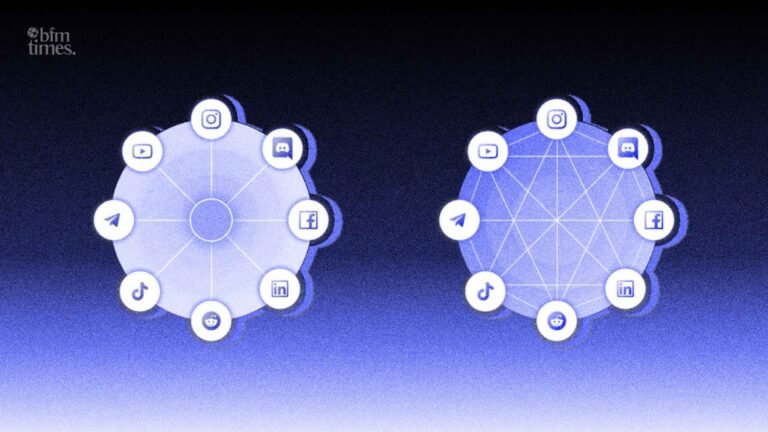
There is no single off switch for decentralized networks. They operate as a distributed web of nodes, unlike social media servers or centralized exchanges. This makes it very hard for a government or corporation to simply censor a decentralized network. If they manage to censor one node, thousands of other nodes will continue to transmit the data and keep the network up. This is an intentional design that uses redundancy to make it almost impossible to censor a decentralized network through traditional legal or administrative methods.
The Vulnerability Points
Never say never. Despite this robust design, it is still possible to censor a decentralized network in some ways:
- ISP and Infrastructure Level: Using Deep Packet Inspection, it is possible for the government to mess with traffic associated with specific decentralized protocols. This can be mitigated by onion routing or VPNs, but it still effectively censors the network through the friction to some extent.
- The Social and Governance Layer: It is also possible for the government to target the developers of a Decentralized network or its governance to pressure them to blacklist users at the interface level.
- On-Ramps and Off-Ramps: As the provided reference suggests, the bridge between the decentralized world and the traditional world (centralized exchanges) is the weakest link. While the network itself may remain uncensored, the ability to convert those assets into usable fiat currency or goods is highly susceptible to regulatory blockades.
Disclaimer: BFM Times acts as a source of information for knowledge purposes and does not claim to be a financial advisor. Kindly consult your financial advisor before investing.