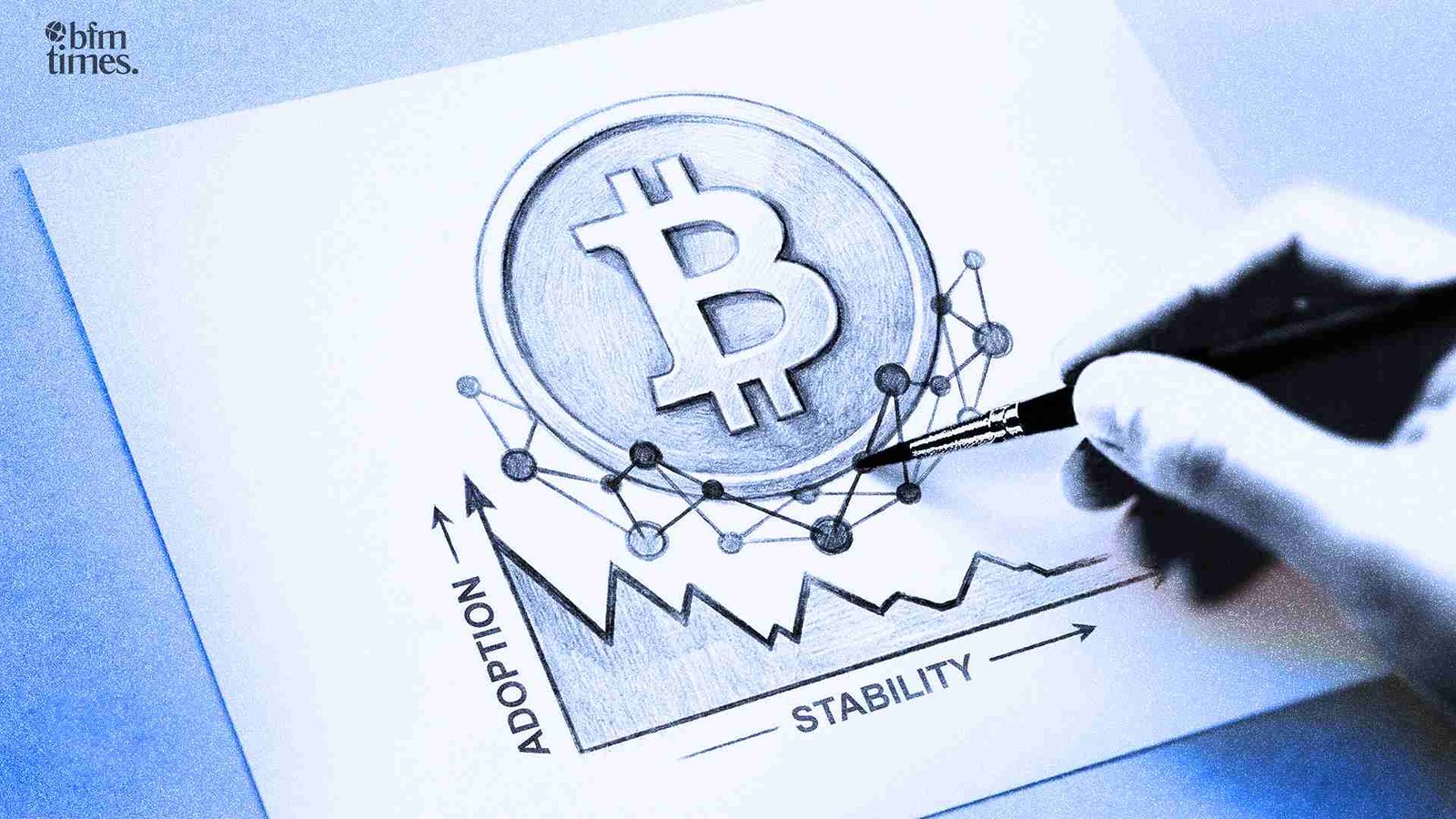
Most analysts forecast that the price of Chainlink (LINK) in 2027 will range between $33 and $50, with predictions reaching up to $95 should institutional adoption of cross-chain platforms increase. These figures suggest a robust recovery of the coin, driven by tokenization and its expanding use cases in international finance.
Price Predictions for 2027
In 2027, the price of Chainlink is likely to reflect the future as a token from DeFi to a global financial utility. The prospects for the token are varied, according to financial analysts, and cryptocurrency research firms.
More negative estimates predict the average price of LINK will be $33.94, with a low price of $16.89 during a bearish market. The more bullish research agencies, such as Coinpedia and Flitpay, hold a “high” price target of $50 to $95. These estimates are based on the assumption that Chainlink will bridge traditional finance (TradFi) and public blockchains.
The reason why these estimates are being made is due to the Cross-Chain Interoperability Protocol (CCIP). As these organisations (Swift and global banks) move from pilot to production, there will be an increased demand for LINK as a payment and security token. Further, the addition of Chainlink Runtime Environment (CRE) and Automated Compliance Engines (ACE) will make it a necessity for secure financial flows by 2027.
History and Value Proposition
To understand how Chainlink may grow to the next level, it is first necessary to understand its network. Unlike other cryptocurrencies that are more about speculation, LINK is about “network plumbing”.
- Tokenization of Real-World Assets (RWA): Chainlink is emerging as the preferred protocol to price and secure tokenized assets like real estate, gold and treasury bills. If RWA markets grow as forecasted, the number of data feeds needed will grow exponentially.
- Tokenomics and Token Supply: With the introduction of Staking v2 and “Universal Gas”, there is a token sink for LINK. By 2027, there is a chance that much of the token supply will be locked away in staking contracts to secure the network which may lead to a “supply crunch” if demand from institutional users continues.
- Institutional Adoption: Integration with firms such as AWS and the major banking systems give the project structural resilience that is rare among other projects. Commentators believe that the “Infrastructure Premium” will begin to kick in for LINK as it becomes the middleware of the on-chain economy.
Despite the optimistic future, there are risks. Volatility, regulatory changes and competition from other oracles could result in a price closer to the lower end of the $16 to $20 range should adoption slow. But the first-mover status and integration with DeFi still offer fundamental support for the next few years.
Frequently Asked Questions
Who Created Chainlink?
Chainlink was created by founders Sergey Nazarov and Steve Ellis. The project was launched in 2017 with a whitepaper, working through their firm SmartContract.com.
Who are some of the businesses using Chainlink?
Businesses using Chainlink span major sectors like traditional finance (TradFi), decentralized finance (DeFi) protocols, and global telecommunication companies that act as node operators. Read More.
Is JP Morgan using Chainlink?
Yes, JP Morgan is actively using Chainlink to connect its permissioned blockchain network with external public blockchains to facilitate the settlement of tokenized assets.
Disclaimer: BFM Times acts as a source of information for knowledge purposes and does not claim to be a financial advisor. Kindly consult your financial advisor before investing.