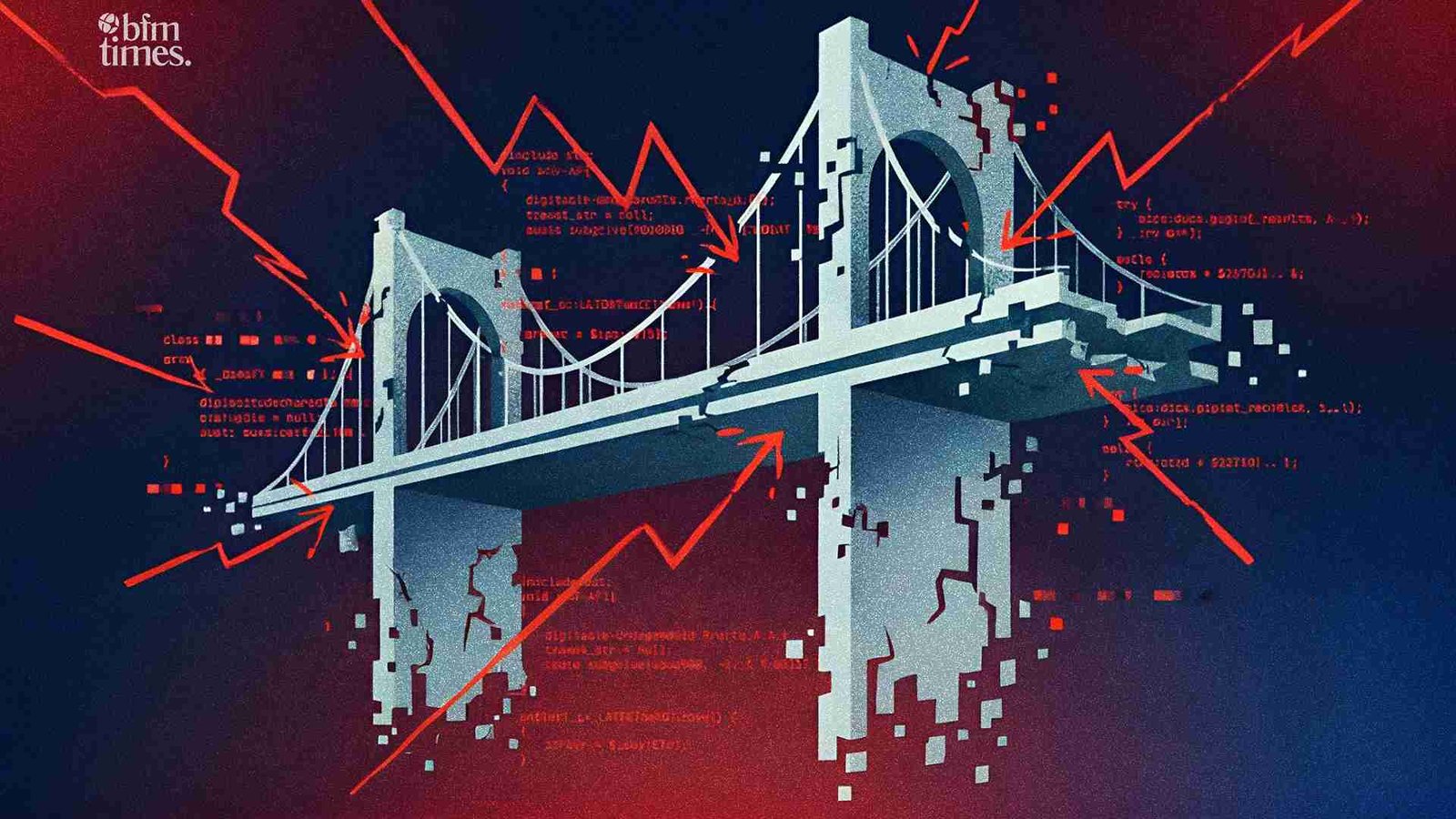



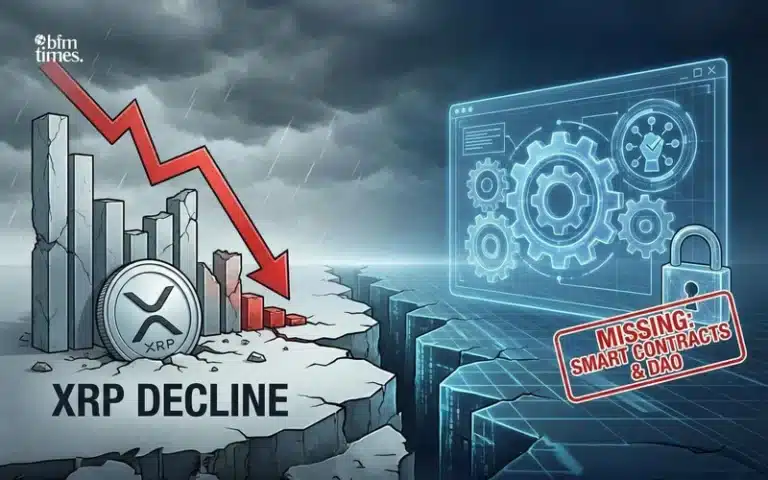
- XRP lacks smart contracts, which are essential for building defi platforms like DEXs, bridges, layer-2s, and other platforms.
- Too much centralized control in blockchain prevents the censorship resistance available in Ethereum and Solana.
- However, given its proximity to banking corporations, it might develop these capabilities in the future.
Critical Lack in Smart Contracts Capability
Suggested: XRP: History, Ecosystem, Applications, and Benefits
XRP is one of the top 5 cryptocurrencies alongside Bitcoin, Ethereum, Solana, and BNB. However, it lacks a critical capability that all these chains have, yes, even Bitcoin (via layer-2).
XRP was built on the Bitcoin blockchain model, and, as with Bitcoin, it went live without smart contracts. However, later, they never seem to have considered adding this capability, most possibly due to the half-a-decade-long case with the US SEC (Oct 2020 – March 2025).
Although there have been many speculations that Ripple Labs could add smart contract capability via a sidechain, it might not address the needs. Sidechains are not as secure as the main blockchain and could be deprecated (shut down) if they lack sufficient traction. So, even if XRPL has a smart contract sidechain, users might have to wait for a long time to see whether the sidechain continues to exist or is closed soon.
Note: Sidechains are blockchains that go parallel with the main chain, relying on the former for security while offering new capabilities, such as smart contracts. These are different than layer-2s, which are created to take off some processing from the main chain, not add capabilities.
Smart Contracts are essential for modern blockchains because they add several capabilities, like:
- the creation of Decentralized Exchanges that support privacy on blockchains
- Blockchain Bridges that allow cross-chain movement of assets and liquidity
- Automated Market Makers to stabilize the price of the main native token, i.e., XRP
- On-chain security via blockchain oracles
- allowing more people to build dApps on the XRP Ledger, which is critical for adoption
Explained: What is Decentralized Finance?
Is There Any Solution to XRP’s Centralization?
Another key disturbing aspect about XRP is its critical dependence on Ripple Labs. Even if we ignore that more than 50% of the XRP token supply remains unminted, the reliance on Ripple Labs means XRP will always remain a centralized cryptocurrency, and the XRPL blockchain will always prioritize profit over the greater good.
Take a Look: XRP Price Analysis 2026
The creation of an XRP DAO nicknamed the XAO was in the news around June 2025; however, there appears to be no concrete action or plan for its execution.
Without a DAO, the community’s voice remains unheard. Ethereum was one of the first chains to adopt the DAO-based governance model, as early as 2016 (Ethereum launched in 2015).
The Future Ahead
XRP seems to address two critical aspects of its blockchain, i.e., smart contracts and centralization. However, these changes need to be addressed in a way that is acceptable to mainstream users; otherwise, XRP could slowly fade away, similar to Nokia mobiles.
Disclaimer: BFM Times acts as a source of information for knowledge purposes and does not claim to be a financial advisor. Kindly consult your financial advisor before investing.