Key Insights
- The DOL proposal provides a six-point process that plan fiduciaries should follow to consider alternative assets such as cryptocurrencies,bitcoin, private equity, and real estate.
- Nowadays, only approximately a quarter of the population in so-called Defined Benefit plans (pensions) can easily access these assets. Meanwhile, 80 percent of employees in Defined Contribution plans (401(k)s) have been limited.
- The rule offers a safe harbor, meaning that when plan managers adhere to the recommended analytical process, they are not subject to frivolous lawsuits for imprudence.
- There is currently a 60-day period of public comment, and finalization should be completed by the end of 2026 or the beginning of 2027.
- According to the analysts, a 1 percent shift in total 401(k) assets to Bitcoin would imply a new, structural demand of $100 billion.
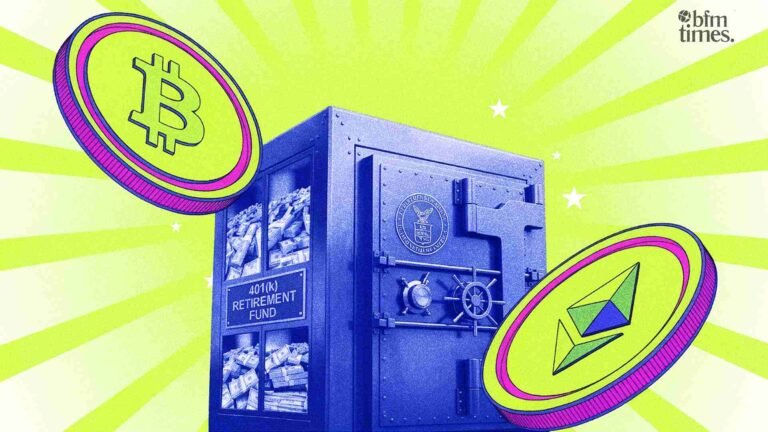
American retirement savings are about to undergo a seismic change. The U.S. Department of Labor (DOL) has officially proposed a new regulation that will bring the 401(k) market up to date to give plan sponsors a clear way to add alternative assets, including most notably Bitcoin and Ethereum, to retirement portfolios. In one of the most publicized interviews on Fox Business, Varney & Co., Nick Nefouse, the Global Head of Retirement Solutions at BlackRock, celebrated the proposal as a giant leap for the $10 trillion 401(k) market. The rule, based on an executive order by the Trump administration, aims to level the playing field between institutional pension funds and regular American workers.
The Interview: Nick Nefouse on the “Golden Age” of Retirement
In an interview with Stuart Varney, Nefouse explained that the rule does not mean that the government is picking winners or approving of certain assets. Rather, it concerns establishing a strict, objective process. What the rule is attempting to do, Nefouse explained, is to create a process, rather than to say what types of assets are good or bad. He observed that the main obstacle for 401(k) managers has not been a lack of interest in crypto, but instead, the so-called litigation risk. The DOL is providing fiduciaries with the freedom to be creative by setting clear rules of engagement. Nefouse highlighted the inequality in the existing American retirement systems.
Employees of the public sector, such as teachers, firefighters, and police officers, usually have their funds pooled together, which involves both private equity and digital assets to increase returns in the long run. In the meantime, workers in the private sector, who have been using 401(k)s, have been restricted to traditional stocks and bonds, which many claim has caused a retirement crisis in which 63% of Americans have less than $150,000 saved.
The Shift in Policy
This proposal is a stark contrast to the 2022 DOL guidance of the previous administration that cautioned fiduciaries to take extreme care with crypto and threatened to investigate plans that offered it. The present Labor Secretary, Lori Chavez-DeRemer, said that the idea is to relieve the regulatory burden and enable products that more accurately reflect the investment environment that exists currently.
Market Reaction and Price Action
The news was felt on Wall Street and the crypto markets. Stocks of the largest alternative asset managers, such as Blackstone ($BX), Apollo ($APO), and Carlyle Group ($CG), surged immediately after the news. The potential of structural, monthly inflows of 401(k) deposits in the crypto sector is regarded as a significant long-term catalyst. Contrary to the hot money usually related to retail trading, the flows of 401(k) are automatic and consistent.
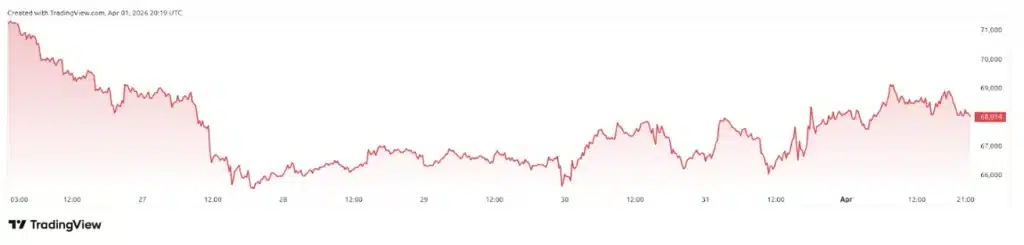
Charting Note: If investors want to track the live performance of the reaction of Bitcoin and Ethereum to these regulatory events, they can refer to websites such as TradingView or Coinbase. The relationship between clarity and inflows has been the primary price discovery factor since the approval of spot ETFs in 2024.
Context: Why Now?
The action comes after the huge success of Spot Bitcoin and Ethereum ETFs that were introduced in early 2024. These vehicles helped many to overcome the custody problem, but the fiduciary problem was left in the 401(k) plans. This DOL regulation is the last piece of the puzzle, which will enable the ETFs already listed on the public exchanges to be smoothly incorporated into the target-date funds and core lineups of employer-sponsored plans.
Also Read: Next Block Expo 2026: The Biggest Edition Yet
Frequently Asked Questions
Does that imply that my employer must provide Bitcoin in my 401(k)?
No. The regulation does not require the inclusion of any asset. It merely gives the employers and fund managers the legal framework and toolkit to add them in case they think it would be in the best interest of the participants.
Are there dangers of having crypto in retirement accounts?
Yes. Opponents, such as Senator Elizabeth Warren, believe that 401(k)s are supposed to be a lifeline to retirement security, not a financial risk playground. The volatility of digital assets is high, and thus, although they have a greater potential yield, they are also associated with the risk of considerable losses in the short term.
What are Alternative Assets?
In addition to cryptocurrencies such as Bitcoin and Ethereum, this category comprises private equity, private credit, real estate investment trusts (REITs), and commodities. These assets are not always liquid (easy to sell) as compared to stocks, but they may offer diversification.
When will I find these options in my plan?
t is likely that implementation will be gradual. Plan sponsors (employers) will have to do their own due diligence and collaborate with providers such as Fidelity or BlackRock to revise their offerings even after the rule is finalized. By 2027, most experts believe there will be a mainstream presence.
Disclaimer: BFM Times acts as a source of information for knowledge purposes and does not claim to be a financial advisor. Kindly consult your financial advisor before investing.