

Selecting a suitable crypto wallet is among the crucial security choices you would make as a crypto user. The hardware wallet vs software wallet argument is not about which is better with respect to the other, but rather, it is about being aware of how each type works, what risks are associated with each type, and which one fits your usage profile.
- Wallet Basics: What Are Crypto Wallets?
- Cold Wallet vs Hot Wallet: Key Differences
- Understanding Hardware Wallets: How They Work
- Software Wallets Explained: What They Are
- Hardware Wallet vs Software Wallet: Direct Comparison
- Hardware wallet vs software wallet Type Comparison
- Examples of Popular Hardware wallet vs software wallet by Type
- Best Crypto Wallet Type: Choosing Based on Your Needs, Hardware wallet vs software wallet
- Secure Crypto Storage Methods: Practical Tips
- Security Risks & How to Mitigate Them
- Step-by-Step Hardware wallet vs software wallet Setup Guide
- Future of Hardware wallet vs software wallet and Emerging Trends
- Frequently Asked Questions
- Is a hardware wallet better than a software wallet?
- Which type of crypto wallet is best, Hardware wallet vs software wallet?
- Is MetaMask a software wallet?
- Conclusion
The main idea of this comparison is that of a Hardware wallet vs software wallet, that is, whether you leave your private keys offline or have them connected to the internet. In this tutorial, we will separately deconstruct the key storage models of both types of wallets, their security trade-offs, real-life examples, and practical steps you can follow to secure your assets in the form of secure crypto storage.
Wallet Basics: What Are Crypto Wallets?
Crypto wallets do not store coins. Your assets exist in the blockchain. Wallets hold private keys, secret cryptographic keys that testify to ownership and authorize you to sign transactions.
When an individual accesses your private keys, then he has control of your money. It does not have a password recovery option in case you lose it. This is the reason why self-custody must be handled with care:
- Seed phrase (recovery phrase): A fleshed-out backup of your private keys.
- Private keys: An authentication of the ownership.
- Wallet interface (UX): The interface by which you use, send, receive, and connect with apps.
Wallets fall into two big categories:
- Non-custodial wallets: you control your keys.
- Custodial wallets: It is a third party controlling keys on your behalf.
The decision of Hardware Wallet vs Software Wallet applies to a large extent when dealing with non-custodial wallets, where the user is in charge of security.
Cold Wallet vs Hot Wallet: Key Differences
This part elaborates on the basic difference between a cold wallet vs hot wallet.
Cold Wallet (Offline Storage)
A cold wallet stores the keys of a wallet offline. The most widespread cold storage medium is hardware wallets.
Pros
- Keys never come in contact with the internet.
- Effective security against viruses and external attacks.
- Ideal for long-term holding
Cons
- Not very convenient in everyday transactions.
- Needs physical access to devices.
- Easily lost or damaged unless properly backed up.
Hot Wallet (Online Storage)
Hot wallets are linked to the internet. The majority of the software wallets come in this category.
Pros
- Fast and convenient
- Free entry to DeFi, NFTs, and Web3 applications.
- Free to install
Cons
- Victimized by phishing and malware.
- Browser vulnerabilities and mobile vulnerabilities.
- Higher attack surface
Examining the concepts of cold wallet vs hot wallet assists users in selecting safe ways of storing cryptocurrency that suit their activities.
Understanding Hardware Wallets: How They Work
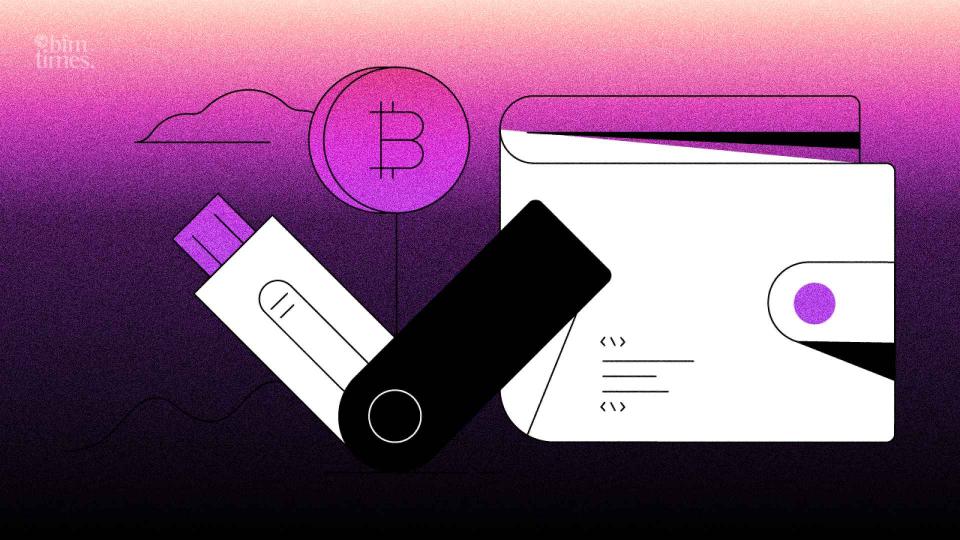
Hardware wallets are tangible devices that are able to store the private keys in a safe, offline location. The device is used to sign transactions, and the private keys are not extracted from the device.
The device not only shares signed transaction data but also does not share your private keys when you connect a hardware wallet to a computer or phone.
Examples of Hardware Wallets
- Ledger Nano series
- Trezor Model T / Safe series
- Coldcard
- SafePal hardware devices
They both provide secure hardware components and code to prevent the extraction of keys.
Benefits of Hardware Wallets
The important hardware wallet advantages include:
- Offline key storage: Keys are not vulnerable to malware.
- Secure signing environment: Calculations are checked at the device.
- Physical confirmation: Buttons and screens minimize the risk of phishing.
- Strong self-custody model: Keys are controlled by the users.
- Long-term security: Ideal when it comes to large or long-term investments.
In many cases, the hardware wallet vs software wallet is reduced to the value that the user is securing and the frequency of transacting.
Software Wallets Explained: What They Are
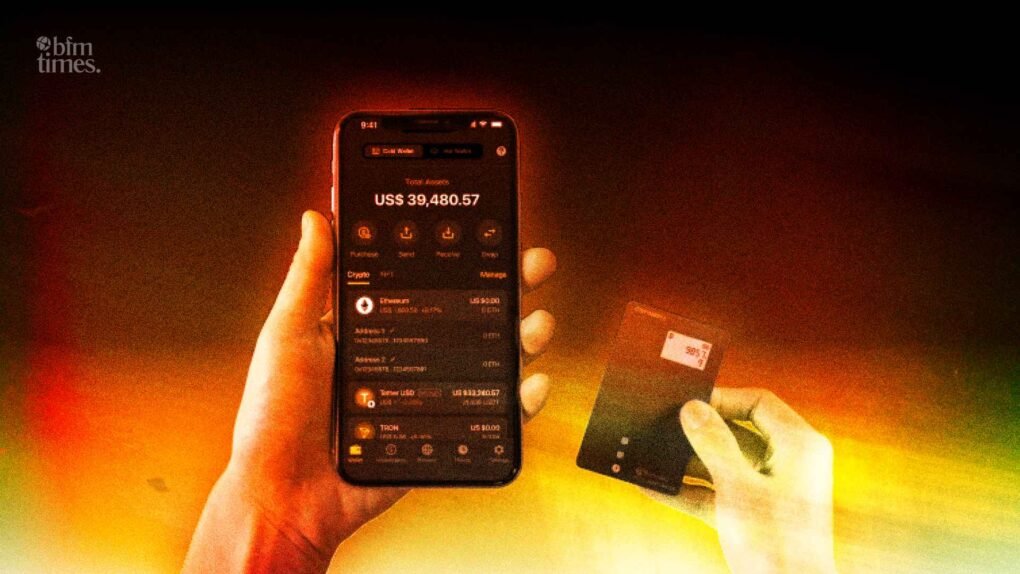
Software wallets refer to the applications that encrypt the private keys and store them on devices connected to the internet, like phones, laptops, or browsers.
Types of Software Wallets
- Mobile wallets: Trust Wallet, Zengo.
- Desktop wallets: Exodus, Atomic.
- Browser wallets: MetaMask
- Exchange-linked wallets: Built in with trading platforms.
These wallets are focused on UX and access, which makes them a wallet people prefer to use for regular purchases.
Software Wallet Risks
Understanding software wallet risks is essential for safe usage:
- Malware: Keyloggers and spyware are able to infiltrate the devices.
- Phishing: Fraudulent wallet extensions and duplicate applications.
- Browser exploits: Browser exploits.
- Human error: Unintentional approval of fraudulent dealings.
Software wallets are strong and need more vigorous personal security practices.
Hardware Wallet vs Software Wallet: Direct Comparison
The hardware wallet vs software wallet option is determined on the basis of the level of security, the number of transactions, and vulnerability to online risks.
Hardware wallets focus on isolation as a way of security. Software wallets are more convenient and accessible. They are both not necessarily better, since they perform different functions.
Hardware wallet vs software wallet Type Comparison
| Feature | Hardware Wallet | Software Wallet | Notes |
| Internet Exposure | Offline (cold) | Online (hot) | Cold wallet vs hot wallet distinction |
| Security Level | Very high | Medium | Depends on device hygiene |
| Convenience | Lower | High | Software wallets are faster for daily use |
| Cost | One-time device cost | Usually free | Hardware wallets have upfront cost |
| Best Use Case | Long-term holding | Daily transactions, DeFi | Many users combine both |
| Key Control | Full self-custody | Full self-custody (non-custodial) | Custodial wallets differ |
| Attack Surface | Low | High | Software wallets face more phishing risks |
Examples of Popular Hardware wallet vs software wallet by Type
| Wallet Name | Type | Custody Model | Best For |
| Ledger | Hardware | Non-custodial | Long-term cold storage |
| Trezor | Hardware | Non-custodial | High-security self-custody |
| Coldcard | Hardware | Non-custodial | Bitcoin-focused security |
| Trust Wallet | Software (Mobile) | Non-custodial | Mobile users |
| MetaMask | Software (Browser) | Non-custodial | DeFi & Web3 |
| Exodus | Software (Desktop) | Non-custodial | UX-focused beginners |
| Coinbase Wallet | Software | Non-custodial | App-based storage |
Best Crypto Wallet Type: Choosing Based on Your Needs, Hardware wallet vs software wallet
This section answers: What is the best crypto wallet type for you?
Long-Term Holders
- Prefer hardware wallets
- Limit the exposure to phishing.
- Core holdings should be kept in cold storage.
Active Traders & DeFi Users
- Use program wallets to communicate on a day-to-day basis.
- Store hot money in hot wallets.
- Accompanied by a hardware wallet for big balances.
Hybrid Strategy (Recommended)
A large number of seasoned users use both:
- Hardware wallet for savings
- Spending wallet software.
This unbiased practice is in line with the best practice of risk management.
Secure Crypto Storage Methods: Practical Tips
Here are proven secure crypto storage methods:
- Write seed phrases on metal backups or paper.
- Backup stores online in different locations.
- Where possible, use passphrases.
- PINs and encryption of the enabled devices.
- Maintain hardware wallet software.
- Apply password managers to wallet app passwords.
- Do not use a public Wi-Fi when making transactions.
Security is behavioral and not merely technical.
Security Risks & How to Mitigate Them
Common threats:
- Phishing: Verify domains and wallet prompts.
- Fake wallet apps: Only official stores should be downloaded.
- Malware: OS maintenance and antivirus.
- Social engineering: Do not share seed phrases.
- Hardware modification: Purchase equipment through authorized sellers.
These threats cut across the Hardware Wallet vs Software Wallet debate.
Step-by-Step Hardware wallet vs software wallet Setup Guide
Hardware Wallet Setup (High-Level)
- Initialize device offline
- Generate seed phrase
- Write the seed phrase securely
- Set PIN
- Update firmware
- Connect to the official wallet application.
- Test with a small transfer
Software Wallet Setup (High-Level)
- Official source installation.
- Create a new wallet
- Backup seed phrase
- Enable biometrics/password
- Review permissions
- Test a small transaction
Do not keep seed phrases digitally.
Future of Hardware wallet vs software wallet and Emerging Trends
Wallet UX is evolving toward:
- Smart wallets with built-in recovery.
- MPC wallets (Multi-Party Computation).
- Account abstraction for improved UX
- Improved 2FA security layers
These trends are expected to minimize friction without compromising security.
Frequently Asked Questions
Is a hardware wallet better than a software wallet?
Yes, a hardware wallet is generally safer than a software wallet because it stores private keys offline and protects against online hacks.
Which type of crypto wallet is best, Hardware wallet vs software wallet?
The best type of crypto wallet depends on your needs, but hardware wallets are best for long-term security while software wallets are best for convenience and frequent transactions.
Is MetaMask a software wallet?
Yes, MetaMask is a non-custodial software wallet available as a browser extension and mobile app for managing Ethereum and other EVM-compatible assets.
Conclusion
The choice between hardware wallets vs software wallets is based on individual risk assessment and use habits. Long-term high-value storage can be achieved with hardware wallets by means of offline security and physical confirmation. Software wallets are the most convenient and feature daily contact with DeFi, NFTs, and Web3.
Cold wallet vs hot wallet trade-offs, the use of secure crypto storage methods, and the realization of software wallet risks will go a long way in minimizing the possibility of loss. To the majority of users, cold storage to save money and hot wallets to spend money create the most feasible balance. Always research yourself, focus on best practices in self-custody, and make a long-term commitment to the issue of private key security.
Disclaimer: BFM Times acts as a source of information for knowledge purposes and does not claim to be a financial advisor. Kindly consult your financial advisor before investing.