



On-chain analysis is a tool that we use in crypto markets to study investor behavior and network action by looking at blockchain data. We see this as different from what we usually do in traditional market analysis, which is to look at price graphs and financial reports; instead, we look at what is available out in the open on the blockchain. This approach is put to use for traders, investors, and analysts to make better decisions in the fast-changing crypto space.
Definition of On-Chain Analysis
On-chain analysis is the study of data that is recorded directly to a blockchain in order to determine the health, action level, and sentiment of a crypto network. This data includes transactions, wallet addresses, token movement, block confirmations, and network fees.
In the case of blockchain which is by nature public and unchangeable on which we can perform on-chain analysis we see in real time how users are interacting with the network. Also we see trends like accumulation, distribution, network growth, and what may be precursors to the market turning points.
Significance of On-Chain Analysis
On-chain analysis’s value is in its transparency and reliability. What we see in the data from blockchain transactions is a clear picture of present action on the network as opposed to what traders think will happen.
On-chain analysis reports large wallet movements, which are also known as “whale activities,” and we see if long-term holders are buying or selling. These reports also put forth early signals that play out in the market.
Importance of On-Chain Analysis
On-chain analysis is a key tool that puts forward what is really happening on the network. While price charts present what the market has done, chain data reports on the root causes.
For long-term investors, on-chain metrics indicate whether a project is indeed gaining adoption. For short-term traders, it gives info on supply and demand. By using on-chain analysis, which we also combine with technical and fundamental analysis, investors get a clearer picture of the crypto space.
Usage of On-Chain Analysis
- Market Trend Identification: Identifying bull and bear trends from wallet activity.
- Risk Assessment: Evaluating issues of network congestion, transaction costs, and security.
- Investor Sentiment Analysis: Determination of which holders are buying or selling.
- Project Evaluation: Tracing network growth, active users, and transaction volume.
- Timing Market Entries and Exits: Finding opportunities to buy or sell.
It’s a tool that crypto traders, institutional investors, analysts, and blockchain researchers use.
Examples
One point of on-chain analysis is to look at active addresses, as we see a steady increase in the number of active wallets, which is an indicator of growing network use and adoption.
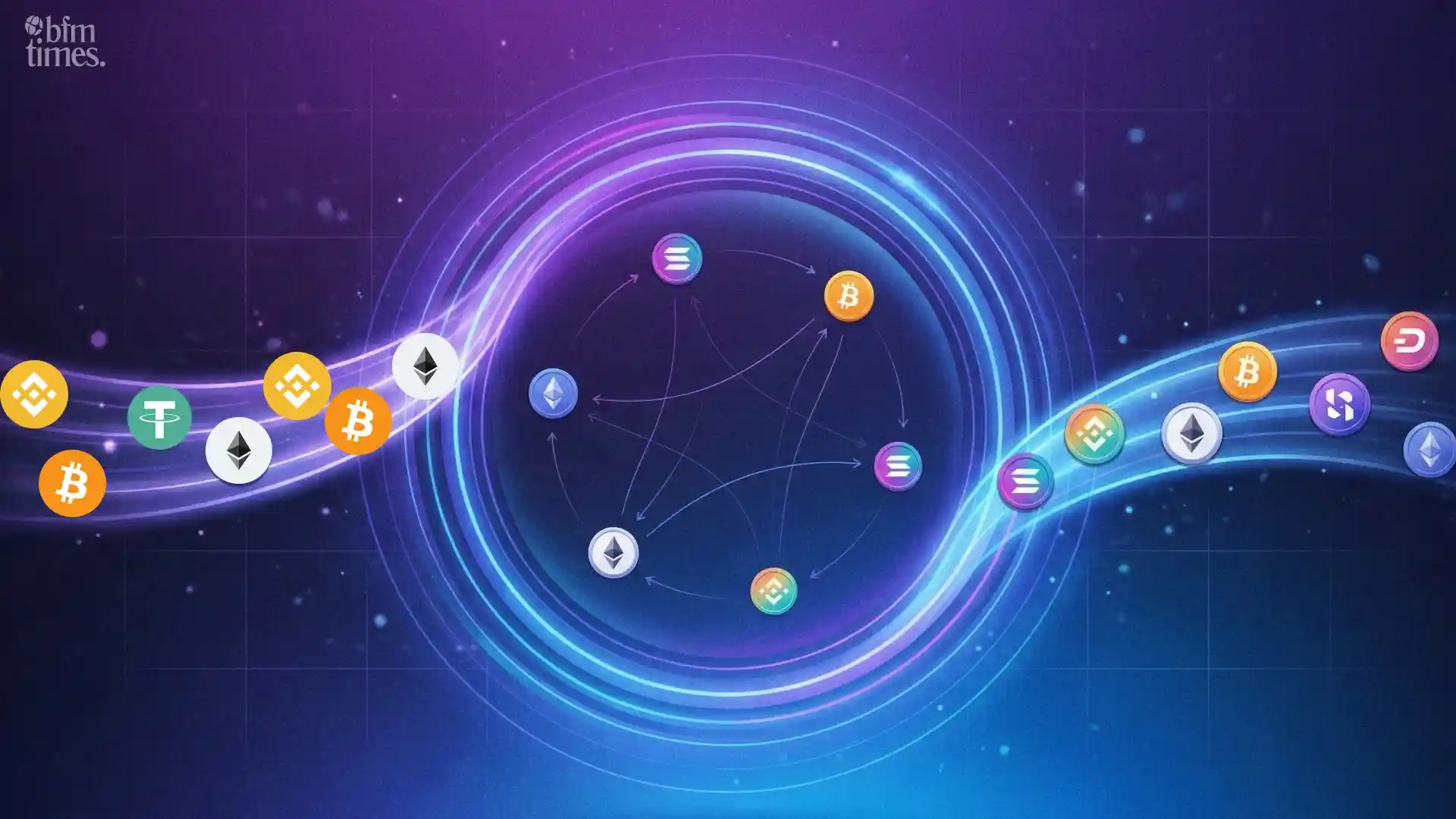
In another example, we see the flow of crypto between wallets and exchanges. When we see a large-scale movement of cryptocurrency from wallets to exchanges, that is an indicator of a sell-off. On the other hand, when we see assets moving from exchanges to private wallets, that is a sign of long-term holder accumulation.
Metrics that include hash rate, transaction volume, and wallet holding periods also put forth useful information on network strength and investor confidence.
Benefits of On-Chain Analysis
On-chain analysis offers several key advantages: On-chain analysis presents some key benefits:.
- High Transparency: All data is open to the public and available for you to verify.
- Early Market Signals: On-chain trends predate price movements.
- Better Risk Management: Detects atypical activity that may be an indicator of market stress.
- Long-Term Insight: For network growth and sustainability.
- Data-Driven Decisions: Reduces dependency on speculation and rumors.
Disadvantages of On-Chain Analysis
- Complex Data Interpretation: Requires expertise, which comes from a lot of knowledge and experience.
- Incomplete Picture: In some cases, market action is off-chain in derivatives trading.
- Delayed Signals: Some metrics only change once the markets have moved.
- Data Noise: High volume of transactions does not always equal growth.
- Limited for Short-Term Trading: May not be for high-frequency traders.
Conclusion
On-chain analysis is a key tool for studying the actual action of crypto networks. By analyzing blockchain data, investors and traders gain insights into adoption, investor sentiment, and market trends that price charts do not reveal.
While it takes time and skill to become proficient in on-chain analysis, what you gain is unparalleled transparency and long-term value. When used alongside technical and fundamental analysis, it dramatically improves decision-making in the ever-changing crypto space.
Disclaimer: BFM Times acts as a source of information for knowledge purposes and does not claim to be a financial advisor. Kindly consult your financial advisor before investing.