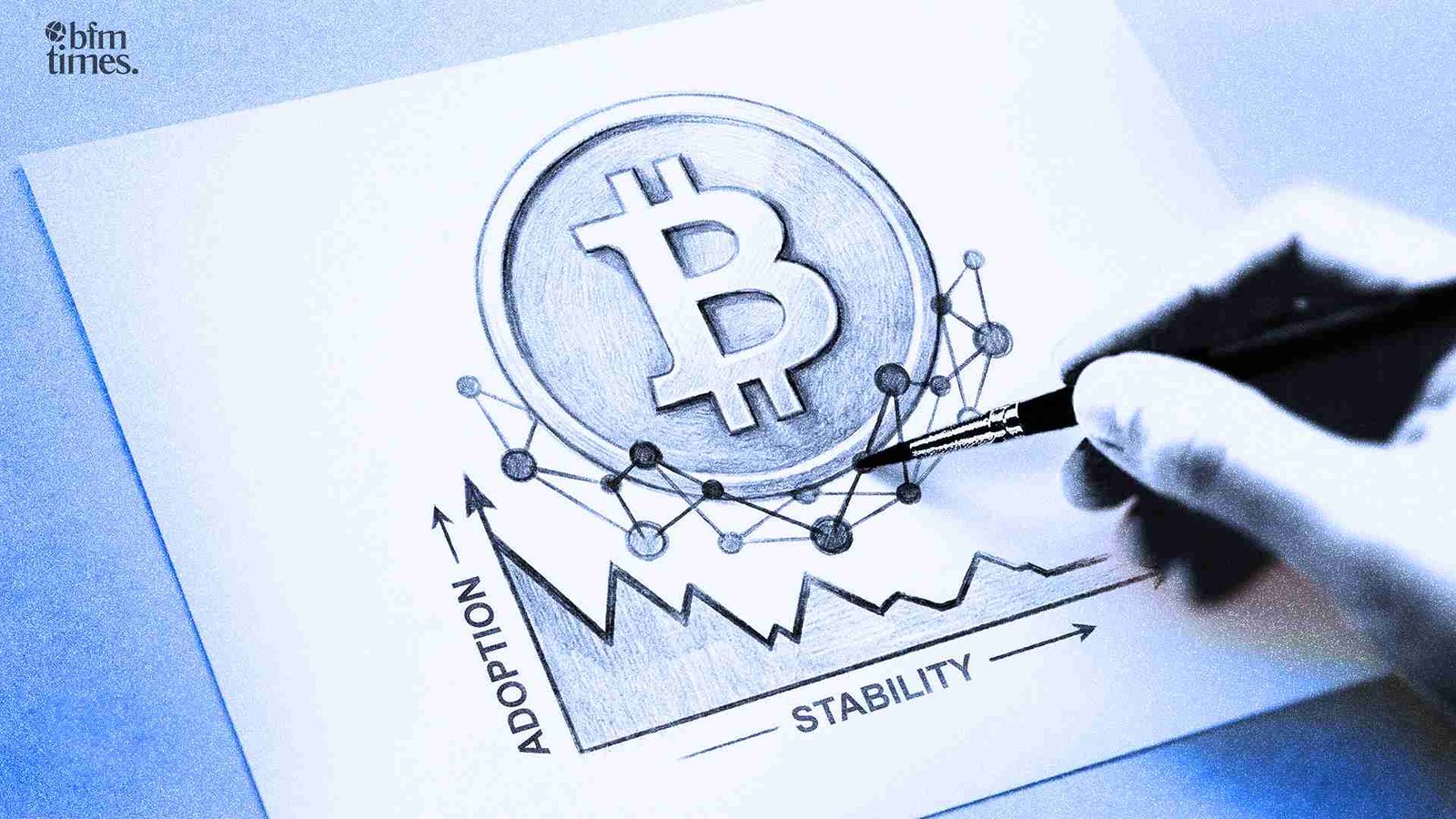
Neither Chainlink nor XRP is universally better, as the two projects are solving distinct issues in the realm of blockchains. Chainlink is superior for Decentralized Finance (DeFi) infrastructure and smart contracts, while XRP is the better choice for cross-border payments and interbank liquidity.
Pick the Asset that Fits Your Needs
It is about utility, which asset is “better”. XRP seeks to be a bridge currency for the XRP Ledger with a focus on final payments in less than five seconds and low fees. It’s designed for banks and payment providers to move value across borders without having to wait for slow legacy banking infrastructure.
Unlike XRP, Chainlink isn’t even a network, but rather an abstraction layer. Chainlink is the interface through which information from the external world can be relayed into the blockchain, such as the price of a particular stock, the weather forecast, the scores of a game, and many more examples. Without Chainlink (or other oracles), smart contracts on platforms such as the Ethereum network would be “deaf” to the real world. If you believe in the rise of Decentralized Finance (DeFi) and smart contracts, then Chainlink is seen as the better infrastructure choice. If you are interested in cross-border payments and interbank liquidity, XRP is superior.
Roles and Market Significance
The controversy can be attributed to institutional affiliations. Both have strong connections to financial institutions such as Swift and central banks. But their underlying technology is very different. XRP has a dedicated ledger (XRPL) which is extremely scalable and includes a native DEX. It operates at the “Layer 1” level and serves as the backbone of transactions.
Chainlink is described as “blockchain agnostic” – meaning it can operate on any blockchain platform, from Ethereum to Solana and even XRPL. Its Cross-Chain Interoperability Protocol (CCIP) is becoming the protocol of choice for transferring data and value across blockchains. This makes Chainlink a “middleware” solution. Where XRP is competing to be the “internet money”, Chainlink is competing to be the “data highway for all internet finance”.
Historical Performance and Future Outlook
The two are also very different in terms of market capitalisation. XRP’s market capitalization has traditionally been significantly higher and typically sits in the top ten by market capitalization. That is due to its past and function as institutional liquidity.
Although Chainlink is more likely to have lower market capitalization, yet they are considered “undervalued” utilities by many analysts due to their involvement in securing tens of billions of dollars in the decentralized finance sector. Until 2026, Chainlink and Ripple do not compete against each other but complement one another. For example, Chainlink data standards have been used by Ripple in the creation of their own stablecoin called RLUSD, which shows that they can co-exist for the betterment of the financial sector.
Frequently Asked Questions
Who Created Chainlink?
Chainlink was created by founders Sergey Nazarov and Steve Ellis. The project was launched in 2017 with a whitepaper, working through their firm SmartContract.com.
Who are some of the businesses using Chainlink?
Businesses using Chainlink span major sectors like traditional finance (TradFi), decentralized finance (DeFi) protocols, and global telecommunication companies that act as node operators. Read More.
Is JP Morgan using Chainlink?
Yes, JP Morgan is actively using Chainlink to connect its permissioned blockchain network with external public blockchains to facilitate the settlement of tokenized assets.
Disclaimer: BFM Times acts as a source of information for knowledge purposes and does not claim to be a financial advisor. Kindly consult your financial advisor before investing.