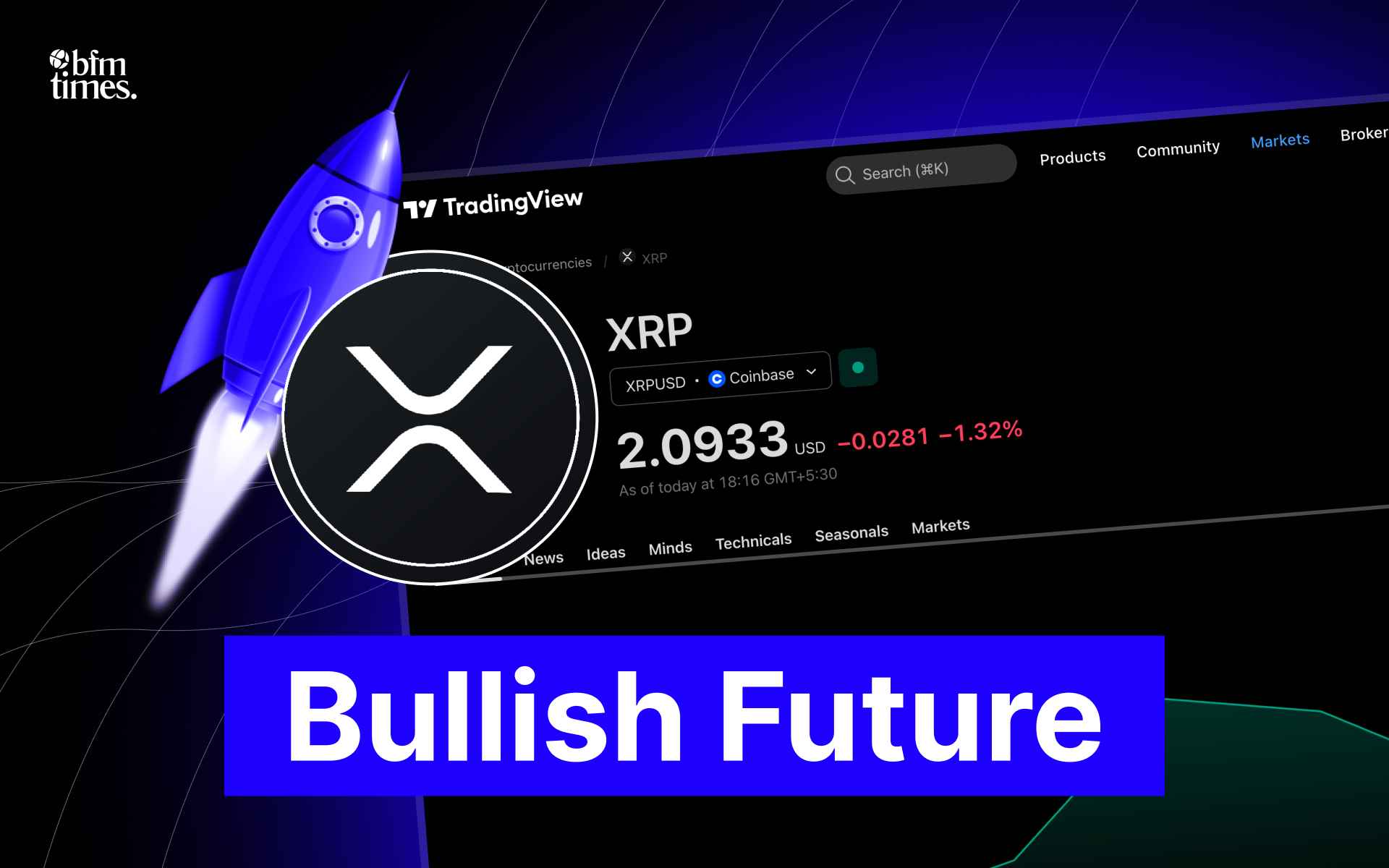
Yes, for several reasons: a multi-billion-dollar market cap, solid integration with several banks, its ecosystem of products like ODL and the XRP Ledger, and more than 7.5 million users worldwide.
Read More: XRP Price Analysis 2026
XRP’s Large Market Cap
XRP now ranks among the top 5 cryptocurrencies in the market, following the end of its case with the SEC. This market cap has been above $100 billion for almost the whole of 2025, indicating strong investor trust.
A large market cap protects cryptocurrencies from hostile takeovers because hackers need more funds (even if they employ deception).
Further, a large market cap can bleed during a market sell-off. Smaller ones go to zero much faster due to a lower moat. An example of this is from the Terra Luna ecosystem. LUNA Classic (formerly LUNA) and USDTC (formerly UST) remain present in the crypto markets, with decent market caps and volumes, despite having gone bankrupt more than a few years ago.
The XRP Ecosystem
The XRP Ecosystem contains several projects that rely on XRP for their operations. These projects survive by covering transaction costs with XRP tokens. Also, since XRP is the native token of the XRP Ledger, it is bound to have some utility-driven demand.
XRP ODL
XRP’s on-demand liquidity (ODL) has enabled its rapid adoption by allowing users to buy and sell XRP and the RLUSD stablecoin at any time. As a result, people using the XRP Ledger just for transactions do not have to wait for the markets to stabilize. They can sell their XRP or RLUSD for fiat at any time.
XRP Ledger
The XRP Ledger is the blockchain on which XRP is created. As a result, all on-chain transactions use XRP to pay for gas costs. With more utility, the need for XRP will continue to rise, adding steady demand and stabilizing the price.
RLUSD
RLUSD is the native stablecoin for the XRP Ledger and is used for fund transfers, whether peer-to-peer, institutional, or otherwise. Whenever RLUSD is transferred on the XRP Ledger, a small amount of XRP is used to pay for gas fees. Since stablecoins are meant to be transferred more frequently than other cryptocurrencies, they generate higher transaction fees (and hence more demand for XRP) than others.
Easier for Banks to use XRP Than Traditional Mechanisms
Banks have relied on slow financial systems like SWIFT and Western Union for money transfers. These systems take days to do a job that blockchains can execute in a matter of seconds.
XRP takes around 3 to 4 seconds to execute a cross-border settlement and routine user-to-user transactions. As a result, several banks and financial institutions have already adopted XRP for their internal transfers, inter-bank transfers, and cross-border settlements.
Institutional Buyers Like ETFs and Treasuries
Institutional buyers, such as XRP ETFs and XRP Treasuries, have been buying XRP, which stabilizes prices and arrests any retail-led market sell-offs.
The same has already happened with Bitcoin, where large institutions have been buying BTC for their reserves. As a result, Bitcoin has little trouble crossing $100k once its ETFs and Treasuries come into play.
The Downside
Clearly, not everything is good with XRP. It still hasn’t resolved its innovative contract capability.
No Smart Contracts
XRP’s blockchain, the XRP Ledger, lacks smart contracts, which are essential for building fully automated decentralized exchanges, real-world application dApps, analytical platforms, automatic escrows, currency exchangers, blockchain bridges, and a lot of other critically essential components that a modern blockchain needs.
Disclaimer: BFM Times acts as a source of information for knowledge purposes and does not claim to be a financial advisor. Kindly consult your financial advisor before investing.