


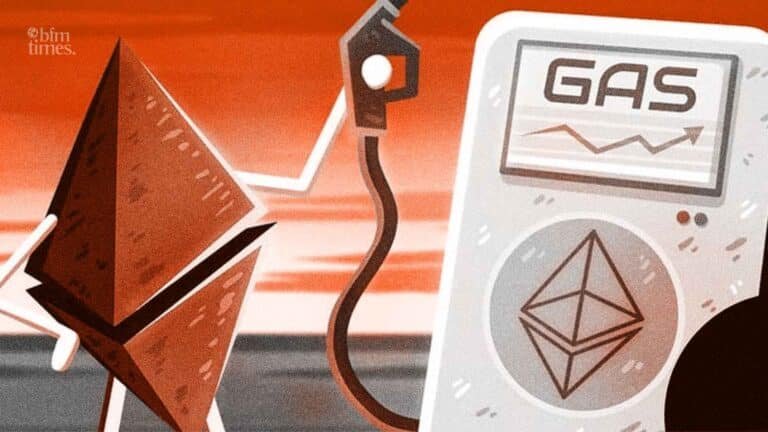
The fuel that powers blockchain technology, apart from actual fuel, is “gas fees,” the thing that powers every transaction on-chain. And just like actual fuel, it comes with a fee, which means you must pay a fee whether you are sending $ETH$ to someone, minting an NFT, or swapping tokens on an exchange. These gas fees are used to compensate the network’s validators or miners for the computational power required to process your request.
The question of how to set gas fees, like any economic question, depends on supply and demand while accounting for the inelasticity of block space. The dominant way of setting gas fees is with auctions, and trying to save money by setting your gas price significantly below the market rate might result in a stuck transaction. Let’s go into details about what happens when gas fees are set too low.
1. The Mempool “Waiting Room.”
When you push a transaction to the blockchain, it doesn’t register immediately. Instead, it enters a queue known as mempool(memory pool) that serves as a digital waiting room for unconfirmed transactions. From this pool, validators and miners pick transactions to confirm, and they are more likely to go for the transactions with the better rewards (higher or market-rate gas fees). If your gas fee is too low, it probably will not be prioritized for confirmation by validators and instead left on queue in favor of higher-paying users.
2. The “Stuck” Transaction and the Nonce Bottleneck
Another huge issue with setting your gas fee too low is the “bottleneck” effect on networks like Ethereum, which ensures transactions from a specific wallet are processed in a specific numerical order, tracked by a value called a nonce. This means if your transaction is held up in the mempool because of low gas fees, you will have to wait before any other transaction you make can be processed (even if your gas fee was increased for the subsequent transaction)
3. Transaction Expiration and Dropped Requests
The mempool does not have infinite space, so as it gets congested, the network nodes drop transactions that have been on the queue for a long time due to uncompetitive fees, and your transaction is canceled, with your funds back in your wallet.
4. Missed Opportunities
The crypto world is a fast-paced world with a move it or lose it philosophy. During high traffic events like “pump and dump cycles” or NFT auctions, transaction speed is essential. If you set your gas fees too low, you might miss a lot of these short window opportunities.
Disclaimer: BFM Times acts as a source of information for knowledge purposes and does not claim to be a financial advisor. Kindly consult your financial advisor before investing.