



Key Insights
- Hong Kong officially launched a mandatory licensing system for all stablecoin issuers on January 1.
- Meanwhile, mainland China strengthened its digital asset crackdown to promote the Digital Yuan as an interest-bearing deposit.
- Institutional giants like Standard Chartered are now leading the way in Hong Kong’s new regulated financial era.
The start of the new year now marks a massive change in Asian financial policy.
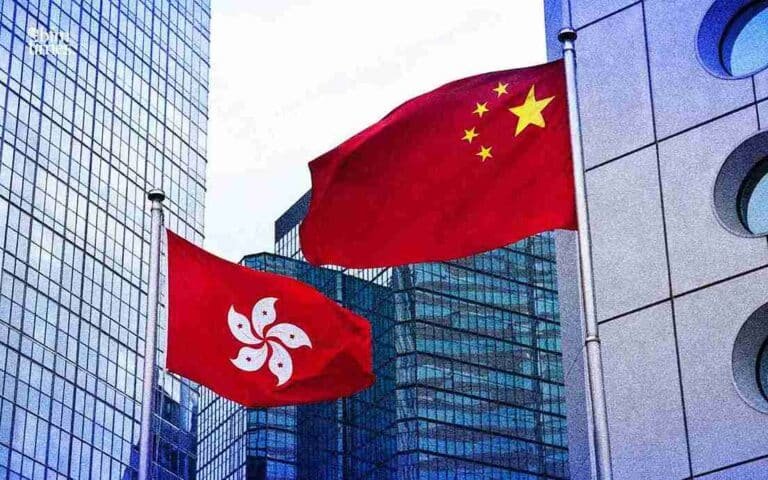
Hong Kong and Mainland China have now moved in opposite directions because on January 1, the Hong Kong Monetary Authority officially activated its Hong Kong full stablecoin license regime.
This new law ends the transition period for digital asset firms and requires any company issuing fiat-pegged tokens to hold a specific license.
Meanwhile, Beijing has re-banned private cryptocurrencies. This move aims to flush out the remaining Bitcoin mining activity in the country and also clears the path for the state-controlled Digital Yuan.
Related: What happens if a stablecoin loses its peg?
Hong Kong Full Stablecoin License Regime and Compliance
The new Stablecoins rule is now fully enforceable across the city. Under the new system, only licensed entities can now market or offer fiat-referenced stablecoins to the public.
The HKMA has set a very high bar for any company wanting to join and applicants must prove they have at least HK$25 million in paid-up share capital.
They also need to keep HK$3 million in liquid capital at all times. This makes sure that every issuer has the financial strength to survive market shocks.
Reserve backing is the most important part of the new rules and every stablecoin must be 100% backed by high-quality liquid assets.
Standard Chartered and Institutional Adoption
Big banks are also moving into the space as Hong Kong’s stablecoin regime takes hold.
For example, Anchorpoint Financial is a leading name in this new market. This consortium also involves names like Standard Chartered Bank, Animoca Brands and HKT, working together to bring stablecoins into the mainstream banking system. Standard Chartered brings years of experience in compliance and reserve management, while Animoca Brands adds deep knowledge of the Web3 space.
This trend shows that stablecoins are leaving the fringes of finance, and are becoming a major part of the traditional banking space.
Beijing Reinforces the Great Crypto Purge
Mainland China is also taking a different path. While Hong Kong builds bridges, Beijing is building its walls higher.
In late December of last year, the PBoC indicated a final push against shadow assets. This led to “The Great Crypto Purge of 2026” on New Year’s Day, which was aimed at removing all competition for the official Digital Yuan.
The latest crackdown targets the last remaining Bitcoin miners, and authorities in the Xinjiang region recently shut down 1.3 GW of mining capacity. This took roughly 400,000 rigs offline in a single week.
As a result, Global hashrate dipped by 8%. This means that Xhina is no longer just banning trading. It is forcing a total exit of the crypto industry.
At the end of the day this ensures that the state-backed CBDC has a monopoly on the digital space.
The Digital Yuan Becomes a Deposit Instrument
On January 1, the e-CNY also reached a major milestone when it transitioned from digital cash to a digital deposit instrument.
For the first time, commercial banks are paying interest on Digital Yuan wallets. This makes the e-CNY much more attractive to regular citizens and banks like WeBank and MyBank are now offering interest payouts every quarter.
This move comes after a decade of testing and pilot programs and the PBoC wants to boost adoption after years of slow uptake.
By banning stablecoins, China wants to remove any private alternative for digital payments.
Because of this, the Digital Yuan now has the same legal status as money held in a bank account and even comes with full deposit insurance. This gives the government total oversight on every transaction in the country.
Disclaimer: BFM Times acts as a source of information for knowledge purposes and does not claim to be a financial advisor. Kindly consult your financial advisor before investing.