Key Insights
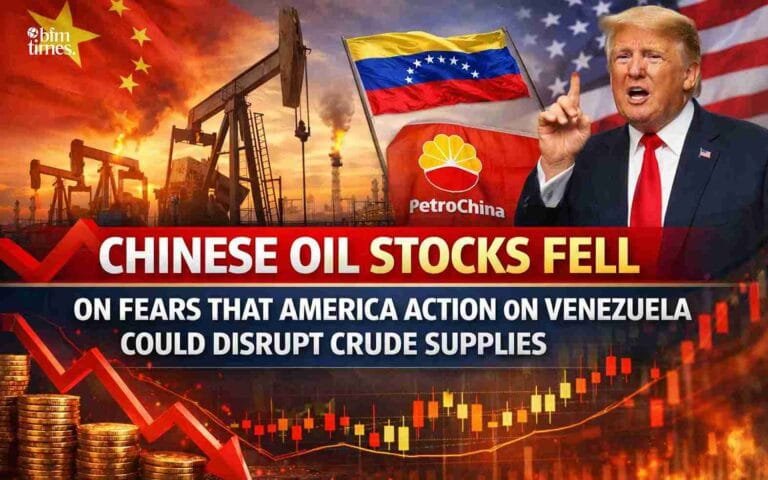
- Major Chinese energy firms like CNOOC and PetroChina saw their stock prices drop as the US moved to take control of Venezuelan oil fields.
- Beijing is now facing the loss of billions in “debt-for-oil” loans after the capture of Nicolás Maduro by American military forces.
- Independent Chinese refineries (known as “teapots”) are scrambling for new supplies as Venezuelan crude shipments face a total blockade.
Investors saw a tale of two markets on Monday.
While American firms celebrated a record-breaking day, the new development with the US, Venezuela and its oil fields made waves across Asian exchanges.
Chinese state-owned oil giants saw their market caps fall sharply. This decline happened right after President Donald Trump announced that American companies would now manage Venezuela’s energy sector.
The military capture of Nicolás Maduro on January 3 changed everything for Beijing because for twenty years, Chinese built a strong “debt-for-oil” relationship with Caracas. Now, that strategic link looks broken and US giants like Chevron and ExxonMobil may soon take over fields once promised to China.
Related: Hong Kong’s Full Stablecoin License Regime versus China’s Ban
Why Chinese Oil Stocks Are Dropping Right Now
The “Big Three” state-owned producers in China took a heavy hit as trading closed on Monday. Investors are now worried about the sudden loss of supply and the possible seizure of Chinese assets.
For example, CNOOC Ltd. saw its shares fall by 4% in Hong Kong while PetroChina also suffered a 3.3% drop. The market is now weighing the danger to its long-term supply deals.
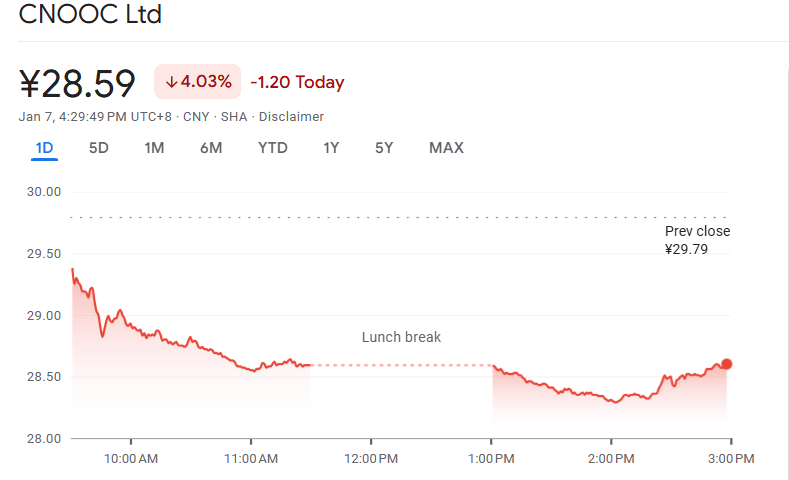
Meanwhile, Sinopec declined by 2.1% and fears are growing that its main customers will have to pay much higher prices for oil.
Even though global oil prices stayed stable due to a predicted 2026 surplus, these specific stocks are still under pressure.
The Failure of the Debt-for-Oil Strategy
The biggest worry for Beijing involves the $60 billion in loans given to Venezuela since 2007. Experts are estimating that at least $12 billion of that debt is still unpaid. Under the old regime, Venezuela paid back these loans using shipments of heavy crude oil.
This system kept oil flowing to Chinese even during times of high global prices.
Last year, Chinese imported nearly 500,000 barrels per day from Venezuela. This represented about 4.5% of its total seaborne imports. Now, the Trump administration wants to divert that oil to the US Gulf Coast.
In other words, losing this supply is a major strategic defeat for China and it puts billions of dollars in loans at risk of never being repaid.
Supply Chain Crisis for Independent Refiners
While the big companies are losing stock value, small independent refiners are facing a physical crisis. These “teapot” refineries in China are built to process a specific Venezuelan oil called “Merey.”
Merey is a heavy, sour crude that is perfect for making asphalt and bitumen (both of which are used in road building).
After the US naval blockade, most Venezuelan suppliers have now stopped offering new cargoes for early this year. Reports also show that 15 million barrels of oil meant for China are now stuck at sea.
Some tankers have even turned around to avoid being caught by the US Navy. In all, several refineries in Shandong province are already planning to shut down for early maintenance because they have no oil to process.
Searching for Expensive Alternatives
To fix the supply gap, Chinese refiners must look toward Iran and Russia. However, this move is not easy or cheap. The rally in the Wall Street energy sector shows a trend toward market prices, which means China loses its old discounts.
Previously, China bought Venezuelan oil at $10 to $20 below the standard Brent price. Those savings will likely disappear under US management.
There is also a technical problem to contend with. Iranian oil does not produce as much asphalt as Venezuelan oil. Additionally, moving more Iranian oil also requires using “shadow fleets” that are now under more U.S. pressure.
This strain in logistics makes the new supply chain much riskier and more expensive for Beijing.
Disclaimer: BFM Times acts as a source of information for knowledge purposes and does not claim to be a financial advisor. Kindly consult your financial advisor before investing.