


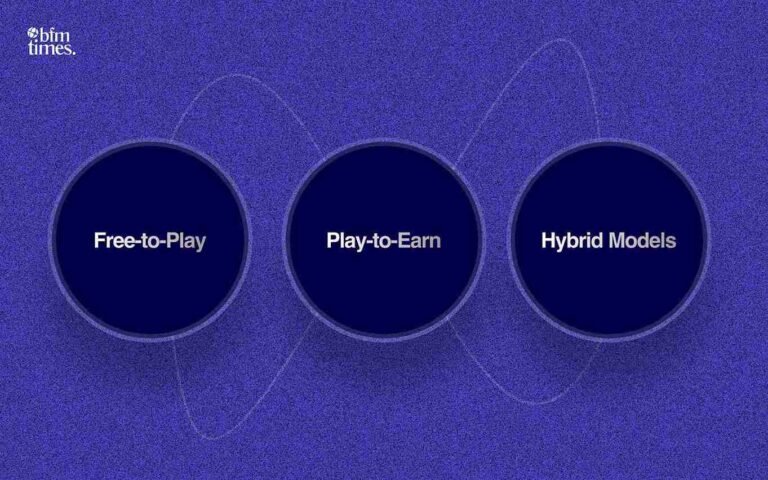
The Gaming industry stands at a major turning point as it meets the new blockchain based systems The play-to-earn the models keep on challenging the long control of free-to-play games that has ruled mobile & PC markets for more than a decade. These hybrid gaming models push the developers to rethink their revenue systems & help the players understand how the value moves inside the new digital worlds. They shift the gaming beyond new tools & to keep the change the connection between the players & developers along with value created inside virtual ecosystems. The traditional games treat in-game assets as the property of the developers & now the blockchain game models that introduce the real digital ownership & to create systems where players gain real value from time & skill. It has created deep debate about the fairness, long term balance & the direction of interactive entertainment.
- What Are Free-to-Play Gaming Models?
- How Did Play-to-Earn Mechanics Rise in the Gaming Industry?
- How Do Hybrid Gaming Models Bridge Two Worlds?
- What Are the Important Web3 Game Monetization Strategies?
- What is the Difference Between P2E vs F2P Player Perspectives?
- What Technical Infrastructure Supports the Blockchain Game Models?
- Is Economic Sustainability the Biggest Challenge in Web3 Gaming?
- What Are the Future Trends in Gaming Monetization?
- How Should Players Choose the Right Gaming Model?
- Conclusion
The gaming market keeps on evolving with the technology & the business models. The early console era focused on one time purchases & then the fixed content. These online systems introduced the subscription models & then the downloadable updates for users. They expanded free access supported by microtransactions during the mobile revolution. The blockchain era explores ownership & the token based rewards. We see the players standing between the comfort of known systems & promise of the new digital economies. They face pressure to innovate while protecting stability & trust.
Today in this article we will understand about Free to Play vs Play-to-Earn vs Hybrid Gaming Models The Future of Web3 Game Monetization on BFM Times.
What Are Free-to-Play Gaming Models?
The free to play games have led the global market since the early 2010s & have built a very powerful system around easy entry & then the long term engagement plans for users. They remove in game purchase barriers & then even allow anyone to download & start playing without any of the payment restrictions. The success comes from converting a small group of the players into paying users through the optional purchases that improve speed, unlock cosmetic items or provide the comfort features. The model depends on very large player numbers & then they accept that only a small percentage will spend money on these kinds of services. These users, often called whales, generate most of the revenue & are ready to spend large amounts in a single title. They create urgency such as limited time offers & reward the systems which push players toward their constant goals while social features drive comparison & the competition.
The critics argue that players may invest many hours but gain no ownership of items or progress. They lose digital goods & the years of effort if the game shuts down without saying anything. The developer controls most of the economy & they can adjust drop rates pricing or power levels without any of the player consent. These players have no protection when their accounts face suspension or when balance changes reduce item strength. The monetization pushes psychological pressure through loot boxes, limited offers & the fear of missing out mechanics. They face review from regulatory bodies in some regions that examine practices & introduce rules around disclosure & the age restrictions.
The model remains highly profitable across various devices such as mobile, PC & console platforms & produces billions in revenue every single year. The entertainment remains the core product & the players accept spending for enjoyment, convenience & their play style. It proves that free to play can survive the market changes & fastly adapt to new platforms available.
How Did Play-to-Earn Mechanics Rise in the Gaming Industry?
The Play-to-Earn model introduces a different structure where the value flows back to players. The blockchain based games allow the new players to earn cryptocurrency or digital assets through their gameplay & then letting them trade them for real cash. The idea supports that players who invest time & their skill share their financial outcomes. These early examples showed that players in certain regions could generate income through focused participation. They attracted users who viewed gaming as both leisure & the opportunity.
The blockchain game models created new open systems with fixed supply & the transparent transaction history. The ownership is recorded on distributed ledgers giving players control over digital assets even outside the game server. These common mechanics include battles that reward them the tokens, breeding digital characters or maybe selling rare NFTs, staking assets for some passive income & then completing missions that grant cryptocurrency. They require initial purchase of the character land or equipment which creates the commitment but limits open access. The entry barrier separates P2E from traditional free to play design games & changes the risk profile for participants.
The economic design inside P2E games requires careful planning. The token supply must balance reward distribution & the long term scarcity. These reward rates must match demand & then prevent inflation. They need asset utility that justifies the market price beyond speculation. The failure to control factors can lead to the sudden drops in token value & the loss of player confidence. They adjust emission rates, introduce burn mechanisms & then add new features to stabilize the economy.
The critics question sustainability because heavy focus on the profit can weaken original game design quality. They grind repetitive tasks to maximize earnings & then treat games like employment. The token economy often depends on steady growth of new participants to maintain price stability. They see a slowdown in user growth that reduces token value & then damages trust in the system. The regulatory landscape adds uncertainty because many governments still define the rules around digital assets & in the game currencies. The environmental concern linked to some blockchain networks that has been reduced with more energy efficient systems but remains part of public discussion.
How Do Hybrid Gaming Models Bridge Two Worlds?
The hybrid gaming models combine accessibility of free to play with ownership benefits of blockchain systems. They design games that function fully without crypto interaction & then later allow the optional integration of Web3 elements. The approach reduces fear around complex wallets & it helps expand the possible player base. The Entertainment remains the primary goal & then earning becomes optional for them.
The very new hybrid structure may allow the players to rent assets for free or then purchase NFTs for full ownership. They create dual currency systems that have separate in game soft currency from the blockchain tokens used for trading or special rewards. The balance remains critical because pay advantage can break the fairness & then it helps in reducing trust. They test the systems carefully & then it adjust reward flow to prevent inflation & to protect the competitive balance.
The design philosophy places fun before the finance & ensures that the gameplay loop stands on its own. The players those ignore the blockchain features still experience full storyline competition & the progression. They explore the ownership features to trade the rare skins collectibles or Play-to-Earn rewards through the open markets. The hybrid systems create flexibility that supports the casual users & the crypto enthusiasts. They improve sustainability because the revenue does not rely only on token speculation but also on traditional purchases & the cosmetic sales.
The governance elements sometimes appear in the hybrid models. They allow players who hold special tokens to vote on certain updates or community proposals. The developers maintain main control but allow the limited participation to increase engagement. These community building efforts grow stronger when players feel partial ownership. The hybrid design reduces extreme volatility & it encourages long term stability.
What Are the Important Web3 Game Monetization Strategies?
The Web3 game monetization expands revenue channels beyond simple token sale. They conduct the NFT primary sales before launch to provide the early funding & it helps in building strong communities. The players purchase digital characters, land plots or access passes & to gain exclusive rights. These secondary trading markets create the ongoing royalty income for the developers through smart contract rules. They keep seasonal passes relevant & it include tradable or sellable rewards.
The tournament systems allow entry fees paid in cryptocurrency & it generates the prize pools funded by the community. They distribute governance tokens to raise the capital & give holders voting rights. The land ownership model allows players to develop virtual property, host events, create attractions or rent spaces to other users. The developers benefit from first sale & the transaction fees while players build digital businesses.
The brand partnerships introduce the limited edition digital goods & it creates the cross promotion campaigns. They use the influencer collaborations to increase visibility & it helps in attracting new users. The subscription features combined with the blockchain rewards offer predictable revenue & the optional token bonuses. The Web3 tools create flexible financial structures that compare to traditional models & open new creative possibilities.
What is the Difference Between P2E vs F2P Player Perspectives?
The free to play games focus on easy entry & the low stress spending. They allow the players to test gameplay without risk & it helps in deciding later about purchases. The casual users enjoy the entertainment during the short sessions & try to avoid market complexity. The Play-to-Earn games attract players who value ownership & the financial reward. They see assets as investments & the kind of approach gameplay strategically.
The difference reflects on the personal motivation & the financial comfort. They prefer F2P structure when entertainment comes first & it helps in exploring P2E or hybrid titles when profit matters. The stress of monitoring token prices reduces relaxation & the shifts focus toward market performance. They also have faced strong monetization triggers in free to play systems that encourage the players spending through psychological design.
The communities in both models show different behavior patterns. They increase competitive pressure when money enters the environment & it will eventually reduce cooperation in some cases. The educational barrier in P2E includes the wallet setup, gas fees & the reading token charts. They avoid such complexity in F2P but still face criticism for aggressive monetization mechanics. The decision between the models depends on comfort with risk interest in ownership desire for financial return & the preference for entertainment style.
What Technical Infrastructure Supports the Blockchain Game Models?
The blockchain game models rely on the smart contracts that manage the ownership token supply & the market trades. They execute it automatically & then follow coded logic without human interference. The networks such as Ethereum, Polygon, Solana or custom chains provide different speed, cost & the security levels for users. The scalability challenge appears when many players interact at same time & it requires very fast transactions.
The layer two solutions sidechains & the custom networks increase the capacity & it helps lower cost. They integrate the wallets to give players control of the assets but require additional setup steps. The interoperability goal allows items earned in one game to appear in another compatible world. The technical complexity remains high but innovation continues at a rapid pace.
The data storage for such large files such as art or models uses the decentralized storage networks. They apply the security measures to protect against hacks & exploits but it requires constant monitoring. The developers combine traditional server systems with blockchain components to create a stable experience. The blend of technologies forms the backbone of modern Web3 games & it helps improve with research & the experimentation.
Is Economic Sustainability the Biggest Challenge in Web3 Gaming?
Economic sustainability remains an important challenge for Play-to-Earn systems. They require consistent reward distribution supported by the steady value inflow. The entertainment acts as a product when players spend for fun. They create the unstable cycles when it depends only on new investor entry. The strong game design with real engagement reduces dependency on speculation.
The hybrid models show the better balance because they mix traditional revenue with optional blockchain features. They focus on building loyal communities who spend for enjoyment. The token rewards become bonuses rather than main attraction. The stable economy requires controlled token supply, clear asset utility & the transparent communication between users.
The long term success depends on trust transparency & the responsible design. They believe developers aim for balanced growth rather than quick profit. The community feedback shapes adjustments in reward rates or economic rules. The sustainable Web3 game needs an entertainment core that stands without financial incentive & it builds genuine long term engagement for users.
What Are the Future Trends in Gaming Monetization?
The future will blend elements from all three models & it continues experimentation. They integrate limited ownership features in traditional studios while blockchain teams improve accessibility & the user experience. The regulation clarity will shape global expansion & it will determine acceptable token structures. They remove friction from wallet systems & it helps reduce transaction fees as technology improves.
The younger generation shows strong demand for ownership of digital identity & cross platform assets. They drive adoption of energy efficient networks & sustainable systems. The cross platform integration allows assets to move between games, social spaces & the digital communities. They experiment with subscription models to reward community governance & flexible revenue streams.
The metaverse concept expands land ownership, event hosting & digital commerce. They use artificial intelligence tools to personalize economic balance & player rewards. The global market growth encourages more studios to test hybrid monetization strategies & refine economic models.
How Should Players Choose the Right Gaming Model?
The players evaluate goals risk tolerance & the interest in ownership before choosing a model. They prefer free to play titles with polished content & how the low entry barrier is focused on entertainment. The risk aware users explore hybrid games before committing funds. They research team background token structure & the community strength to reduce danger.
The rule of spending only affordable money protects financial stability & mental health. They test hybrid approaches without blockchain commitment. The enjoyable gameplay independent of token reward signals a stronger foundation. They remain aware of market volatility when entering P2E systems & manage expectations carefully.
Conclusion
At last, we can conclude that the free to Play-to-Earn & its hybrid gaming models reflect the industry exploring new directions in the digital economy world. They deliver mass accessibility proven revenue & then the stable entertainment framework in a free to play system. The Play-to-Earn structure offers the ownership & the earning potential but carries risk of market fluctuation & regulatory uncertainty. They attempt to balance fun accessibility & digital ownership in one ecosystem through the hybrid design. The future of Web3 game monetization depends on the simple user experience, fair economies, transparent systems & the strong gameplay mechanics. They focus on real entertainment & build value beyond speculation. The industry continues to test, refine & adapt it until stable patterns emerge that serve players & the developers in a balanced & more sustainable way.
Disclaimer: BFM Times acts as a source of information for knowledge purposes and does not claim to be a financial advisor. Kindly consult your financial advisor before investing.