Key Insights
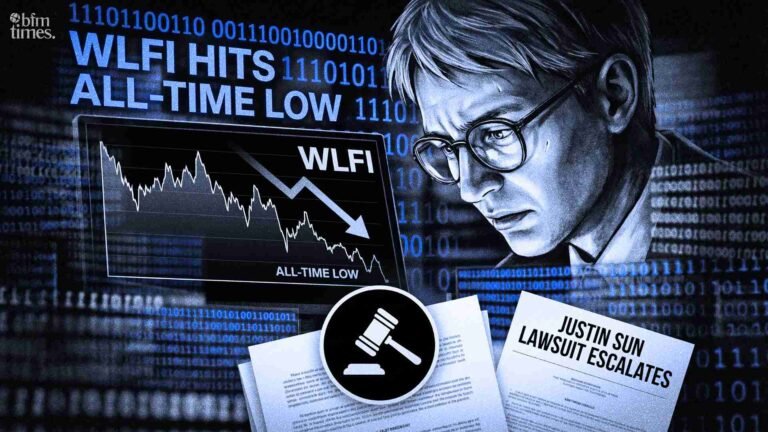
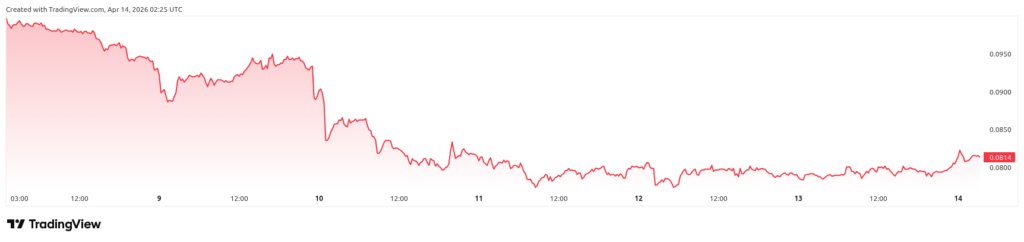
- Price Drop: The WLFI token fell to an all-time low of $0.07714 on April 11, 2026.
- Drawdown: The asset has fallen to 83% of its highest value recorded in September 2025 at its maximum level of $0.46.
- Total Borrowings: On-chain data revealed that a total of 5 billion WLFI tokens were loaned against a stable coin amount of 75 million.
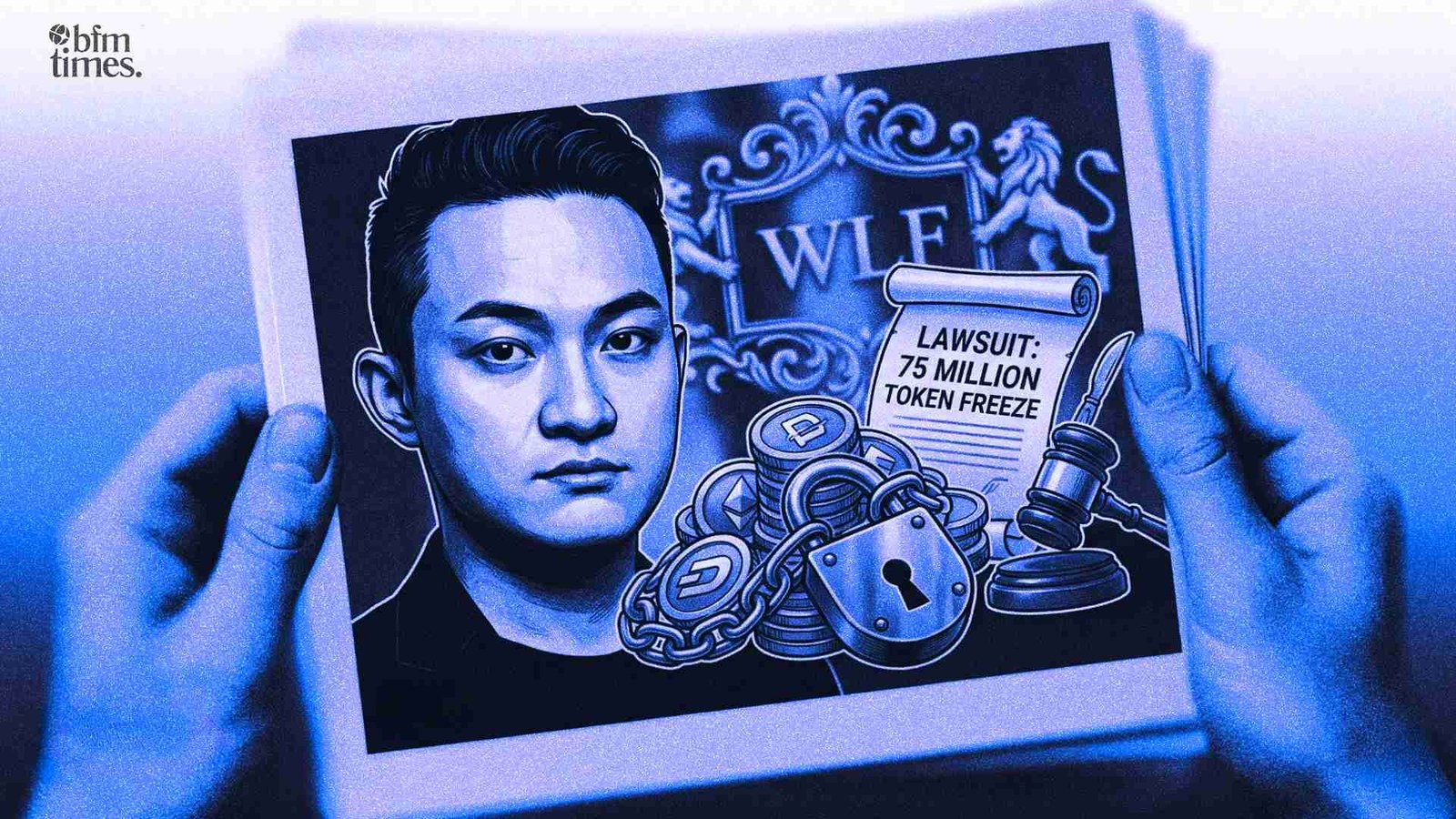
- Justin Sun Lawsuit: TRON founder Justin Sun has threatened to sue over allegations of an alleged blacklist backdoor to the token agreement.
- Liquidity Strain: The borrowing activity was effectively draining the USD1 lending pool on the Dolomite protocol, to the point that retail users were no longer able to withdraw funds.
Also Read: World Liberty Financial WLFI Crashes 83% Amid DeFi Crisis
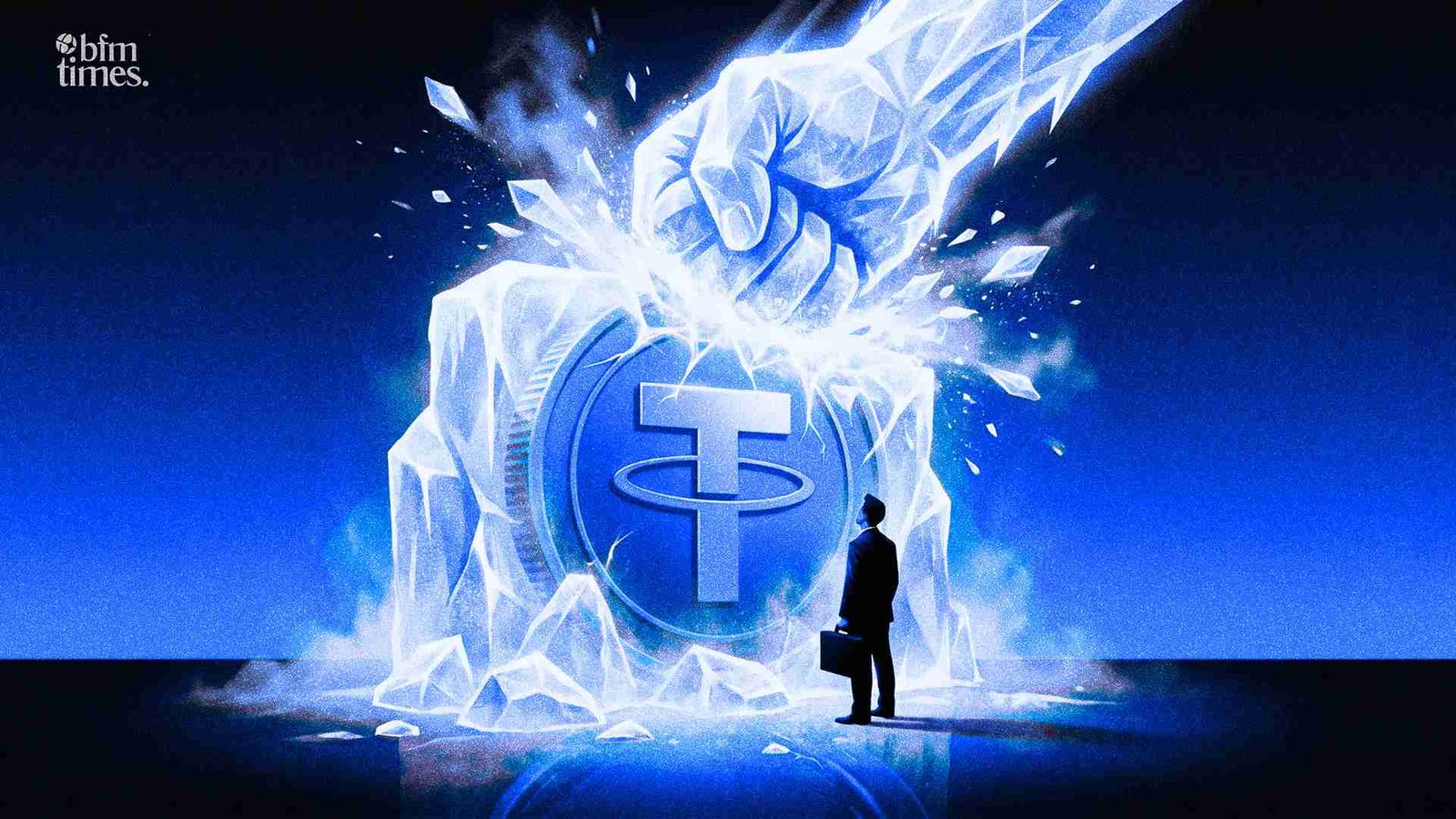
The World Liberty Financial (WLFI), a high-profile, decentralized financial project backed by Donald Trump and his family, is facing the most significant challenge it has ever faced. There has been an unprecedented fall in the value of the WLFI token over the last three days, resulting in losses running into hundreds of millions of dollars.
World Liberty Financial Existentially Threatened by Token Price Crash.
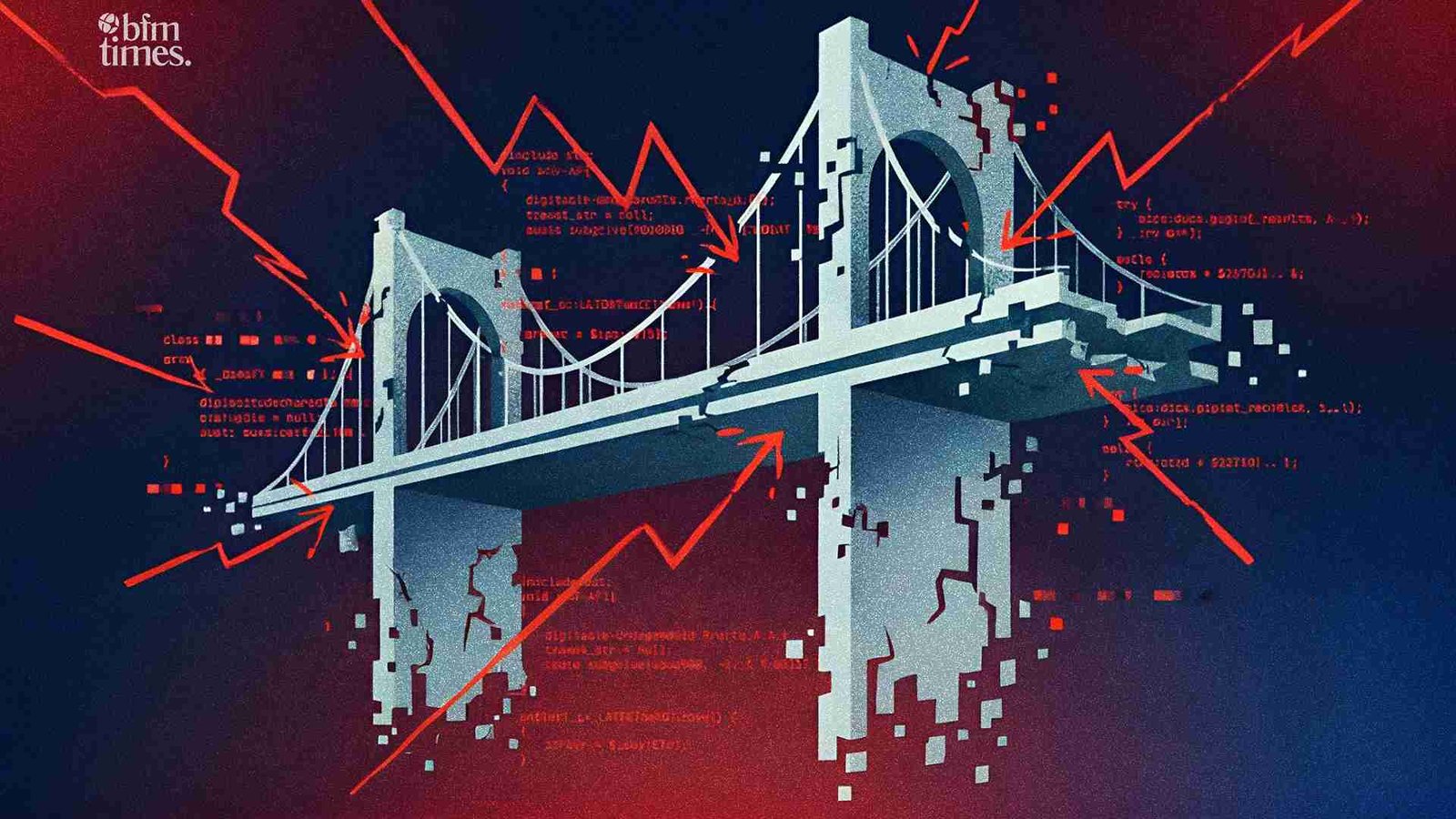
The WLFI ecosystem was supposed to be the last barrier between traditional finance and decentralized protocols, but recent weeks have shown that the bridge is under pressure from aggressive leverage and internal controversy. The recent crash, during which the token dropped about 15 percent in one day, was not caused by the overall market trends. Bitcoin and Ethereum were relatively stable, but WLFI fell out of the pack in a downward trend, leaving many wondering whether this is the end of the Trump-supported World Liberty Financial era.
The main trigger of the sell-off was the announcement of a so-called circular financing model. Arkham Intelligence and CoinDesk reported that the treasury of World Liberty Financial had deposited 5 billion of its own tokens, which is almost 5 percent of the total supply, into the Dolomite lending protocol. This huge collateral deposit enabled the team to borrow 75 million stablecoins, such as USDC and the native USD1 of the project. In order to understand the effects of this on the ecosystem better, we need to refer to our guide on the mechanics of the USD1 stablecoin, which explains how such assets should be kept pegged.
The systemic risk did not take long to be noted by industry analysts. Unlike more liquid assets, WLFI has a shallow market depth. Should the price keep falling below the liquidation threshold, the protocol would have to sell billions of tokens into a market with no buyers, causing a so-called death spiral, like the one that occurred to Curve Finance or the Wonderland protocol in past years. This volatility is a subset of a larger trend that we have been tracking in our discussion of the rise and fall of Trump-themed crypto assets in the past two years.
The Justin Sun Lawsuit and Legal Battle.
To make the situation worse, there is a very public and litigious dispute with Justin Sun, who was the initial investor in the project to the tune of $30 million and subsequently invested up to $75 million in the project, claiming that there is a trap door in the WLFI smart contract.
According to Sun, the contract allows a centralized committee to unilaterally blacklist and freeze any wallet. He says that his own holdings, such as 544 million WLFI tokens worth about 45 million at present prices, are now inaccessible. World Liberty Financial responded by issuing a cease and desist order on Sun on April 13, 2026, accusing him of defamation and trying to control the price of the token. The WLFI staff claim that the functionality is a Regulatory Compliance Module mandated by the 2025 CLARITY Act to stop illicit activity. This legal ambiguity has caused institutional holders to vacate their posts, with fear that the governance of the project is more centralized than it was initially sold.
Governance Proposals and the Path Forward.
Trying to stabilize the market, the World Liberty Financial team has declared an emergency governance proposal. The proposal proposes a gradual unlocking process of early retail purchasers and is an alternative to the old immediate access model, which is a long-term vesting.
The team claimed on X that it is one of the biggest suppliers and borrowers on WLFI Markets. We are nowhere liquidated. It would take a drastic move in markets against us to make us supply more collateral.
Although the group has since paid back $25 million of the controversial Dolomite loan to relieve liquidity strain, the blow to investor confidence is still noticeable. The Relative Strength Index (RSI) is at 30, which is technically oversold, but the absence of fundamental recovery indicators indicates that the only thing that is preventing WLFI from falling completely to the sub-cent range is the support at $0.077.
Frequently Asked Questions
What was the cause of the WLFI price crash today?
The crash was instigated by the revelation that the project treasury borrowed 75 million stablecoins using 5 billion WLFI tokens. This caused concern of a liquidity crunch and possible forced liquidations.
Is Justin Sun able to sell his WLFI tokens?
At present, no. Justin Sun claims that his wallet is blacklisted by a centralized guardian feature of the token smart contract.
What does the Dolomite protocol play?
The WLFI team deposited their collateral on Dolomite, which is a DeFi lending platform. Critics have observed that there might be a conflict of interest, with the co-founder of Dolomite, Corey Caplan, also an advisor to World Liberty Financial.
Will WLFI recover?
Market analysts are still sceptical. Although the team has started to make partial loan repayments, the token is facing strong resistance at 0.085 and 0.10. It would take a long-term recovery, probably with a solution to the legal wrangles and a more definite way to decentralization.
Disclaimer: BFM Times acts as a source of information for knowledge purposes and does not claim to be a financial advisor. Kindly consult your financial advisor before investing.