What is Algorand in a nutshell?
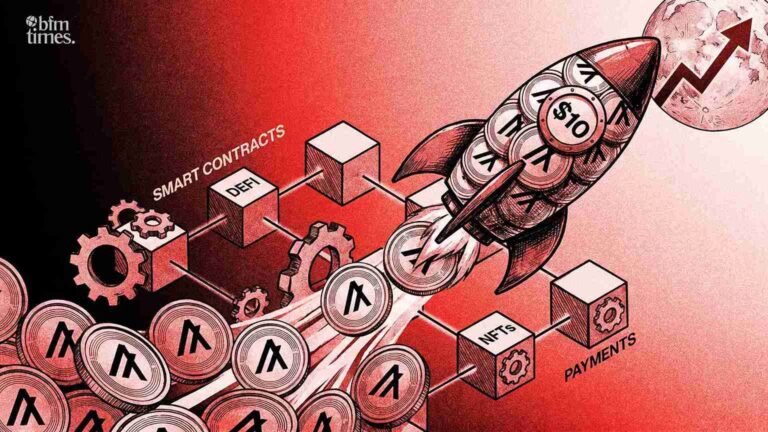
Algorand(ALGO) is a fast, carbon-neutral blockchain that is capable of handling thousands of transactions per second with finality in real-time. It is mostly applied as a base layer for decentralized finance (DeFi), institutional asset tokenization, and payment systems globally that need high security and low cost.
Also Read: Algorand ALGO Surges 59%: Can It Reach $0.25 in April?
How is Algorand being used in the real world?
In addition to mere cryptocurrency trading, ALGO is the rails of various complex operations in the world. It has a specially optimized architecture based on three key pillars:
- 1. Institutional Tokenization and RWAs. Financial institutions use ALGO to turn real-world assets (RWAs) like real estate, gold, or U.S. Treasury bills into digital tokens. As an example, users can purchase fractional shares of rentals on platforms such as Lofty, and other partners can issue regulated stablecoins such as USDC and EURQ on the network. Since Algorand does not fork (divide into two versions), institutions can have a legal assurance that a digital asset is a single, unique ownership record.
- 2. Global Payments and Humanitarian Aid The network is a leader in “programmable money.” One of the largest payment programs, HesabPay, applies Algorand to provide humanitarian aid to thousands of individuals in such areas as Afghanistan. With the near-zero transaction costs and sub-three-second speeds of ALGO, aid organizations can circumvent costly traditional banking intermediaries and get money to recipients immediately.
- 3. Agentic Commerce and AI A more recent development is the use of Algorand in agentic commerce. Developers are creating systems in which AI agents can charge each other micro-payments to access services (such as data processing or API access). This is made possible by the network x402 standard, which allows these machine-to-machine transactions to occur autonomously and securely.
Technical background of the network?
Silvio Micali, a cryptography pioneer, is the founder of Algorand. It is based on a Pure Proof of Stake (PPoS) system. Compared to older blockchains, which consume large quantities of electricity, ALGO is energy-efficient and has been carbon-neutral since 2021. Algorand is set to become fully secured against quantum computing attacks. The network will become quantum-safe, which means that transactions in its history cannot be tampered with in the future, even using quantum computers.
Frequently Asked Questions
Is the Algorand smart contract compatible?
Yes, it is. Through the Algorand Virtual Machine, users can create complex smart contracts in Python and TypeScript. It, therefore, functions as a decentralized exchange hub, protocol lending hub, and NFT market hub.
What is the transaction fee in Algorand?
Algorand’s fixed transaction fee is very low and costs about 0.001 ALGO per transaction. That predictability is crucial to businesses that need to know how much transactions will cost.
What is the use of the ALGO token?
Network maintenance fees, transaction fees, and staking of the blockchain are all settled using the native token, ALGO. Stakeholders help verify transactions on the platform in return for rewards.
Disclaimer: BFM Times acts as a source of information for knowledge purposes and does not claim to be a financial advisor. Kindly consult your financial advisor before investing.