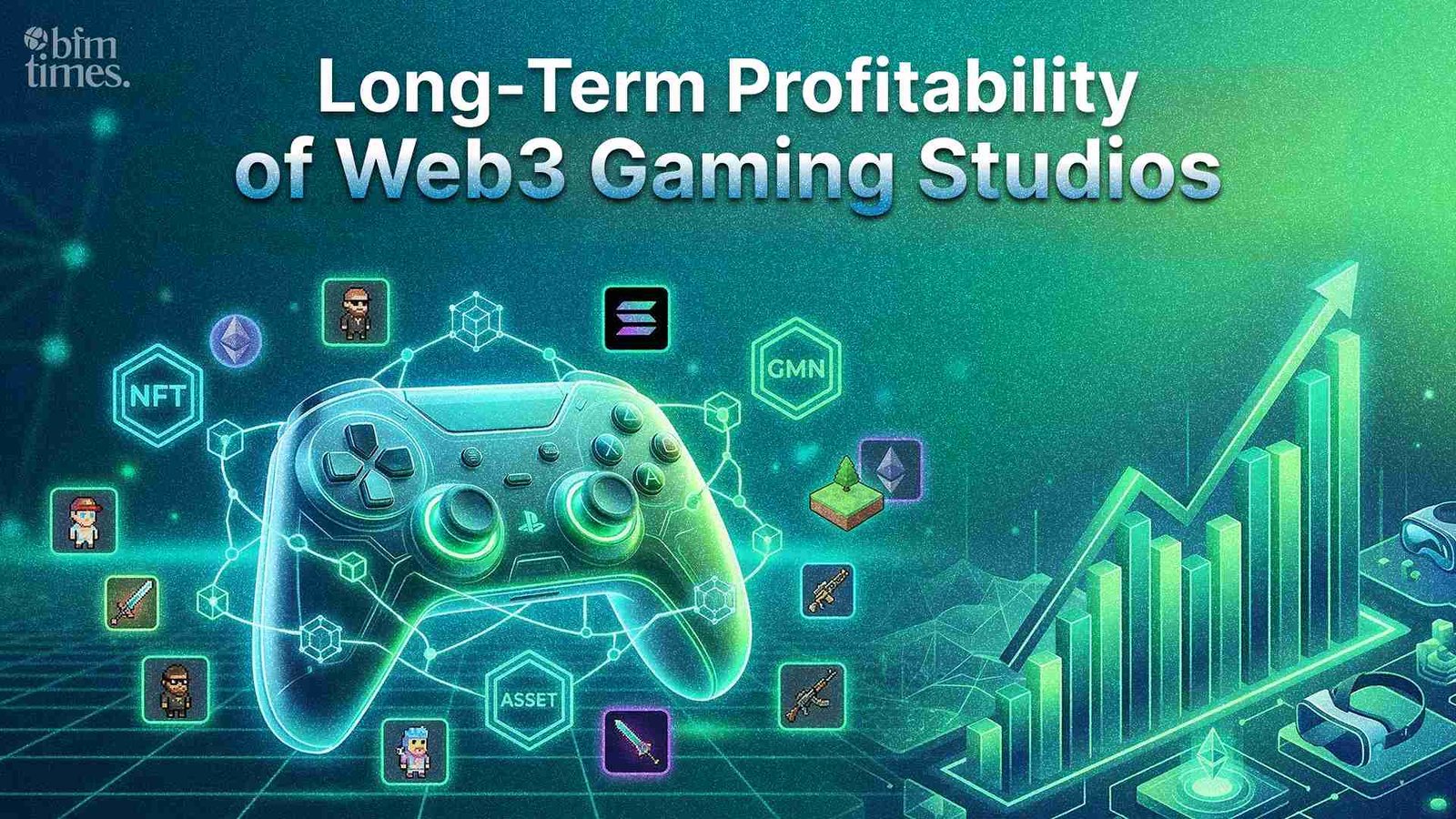
“True Ownership”. That is the powerful promise that Web3 gaming marketing campaigns are centered on. Compared to the traditional gaming world, like Fortnite and Hearthstone, where in-game paraphernalia like “skin” or “card” is basically rented access to digital files on centralized servers. In these instances, users lose their assets if they are banned or the game is shut down by the developers. By transferring ownership management to decentralized blockchains, NFTs (Non-Fungible Tokens) were supposed to solve this. Advocates of the protocol proposed this as a way for games to finally have complete ownership of the digital items, the same way they own their physical items.
- 1. The Anatomy of an In-Game NFT: Token vs. Asset
- 2. Licensing: The “Middleman” You Can’t Ignore
- A. The “Traditional” License (Personal Use)
- B. The “Commercial” License (The Bored Ape Model)
- C. The “Creative Commons” (CC0) Model
- 3. The “Shut-Down” Problem: When “Forever” Ends
- 4. The Interoperability Myth: Why You Can’t Take Your Sword to Minecraft
- 5. The EULA Trap: The Developer Still Holds the Kill-Switch
- 6. What Do Players Actually Own?
- 7. Conclusion: The Future of Digital Property
Related: Best Wallets for DeFi & NFT Users: The Definitive 2026 Guide
The NFTs hype has died down significantly from its peak, and a stark legal and technical reality has taken its place. A big difference exists between owning a token on a blockchain and owning the intellectual property (IP) or even having a guaranteed right to use the asset it represents. Below, we will explore the mechanics of in-game NFTs, the legal details of licensing, and the delicate nature of “ownership” in the digital-first world.
1. The Anatomy of an In-Game NFT: Token vs. Asset
To get a full grasp of what ownership means in the NFTs aspect, we need to look at what an NFT is under the hood. An NFT is a pointer and is not the digital item itself.
The Blockchain Token
The NFT is often an ERC-721 or ERC-1155 token on a blockchain like Solana, Etereum or Polygon. This small piece of code holds the token with its serial number and some metadata. This is the main element of the player’s “ownership” in a cryptographic sense. Players hold the private keys to move this token from one wallet to another.
The Metadata and the Asset
A link pointing to a JSON file hosted somewhere else (usually on a centralized server or decentralized storage system like IPFS) can be found in the metadata. This JSON file then points to the actual image, 3D model, or animation.
The Legal Disconnect: There is a large legal disconnect between owning an NFT and legally owning the artwork, code, or digital asset it points to. This is because most jurisdictions do not consider NFTs automatic proof of ownership of the underlying digital asset. This means the developer holds the copyright unless stated otherwise by the developer in the terms of service (ToS) or a specific license agreement.
2. Licensing: The “Middleman” You Can’t Ignore
Buying an in-game NFTs usually involves entering into a license agreement. The license provides a legal framework for permission to use this digital asset that you do not own. There are three primary levels of “ownership” currently seen in the NFTs space:
A. The “Traditional” License (Personal Use)
Most commonly used by companies like Adidas or Ubisoft, this model grants a non-exclusive, revocable license to display the asset within the game or as a profile picture when you buy the NFT. This kind of model does not allow buyers to put the asset on a t-shirt and sell it, and they do not have ownership of the character design.
- Example: Ubisoft’s Quartz NFTs. Players “own” the Digit, but the IP remains strictly with Ubisoft.
B. The “Commercial” License (The Bored Ape Model)
This license, popularized by the infamous Bored Ape Yacht Club (BAYC) project, gives the holder extensive commercial rights. With this model, holders can use their specific NFTs imagery to create branding, movies, or merchandise to sell. However, even the ownership offered by this model has its limits as set by the contract. This contractual nature is not native to the blockchain technology itself, but if the terms of the contracts are breached, the holder can theoretically have their rights to the digital asset challenged.
C. The “Creative Commons” (CC0) Model
This is the model used if the developers (game or projects) want their digital asset to be in the public domain and free to use by anyone for any purpose. The NFTs serves purely as a “certificate of authenticity” or a “social signal” of support for the developers, rather than a gatekeeper of rights.
3. The “Shut-Down” Problem: When “Forever” Ends
There is a very common misconception in the NFTs space that your NFTs gaming assets are “permanent”. This is not entirely true. While tokens on the blockchain are permanent, their utility depends entirely on the game’s life cycle.
Case Study: The 2024-2025 Web3 Game Collapse
Nyan Heroes, Ember Sword, and Blast Royale. These are some of the many high-profile Web3 games that were shut down, massively devalued, or stopped development between 2021 and 2025. Due to a severe funding shortage, Nyan Heroes saw the value of its underlying token crater to just 2% of what it was.
Players are left with a “ghost” token when this games shut down or is abandoned. Players can still see the token on their blockchain wallet, implying they still own “Sword #402,” but there would be no game engine left to render that sword, no server to calculate its damage stats, and often no website left to host the image file.
The Reality Check: This means if the environment designed to utilize that digital asset is not functioning anymore, the asset ownership is meaningless. Without a “rendering engine,” a 3D NFTs weapon is just a string of useless code.
4. The Interoperability Myth: Why You Can’t Take Your Sword to Minecraft
Another common promise of Web3 gaming assets is interoperability: the idea that you can take an asset (an axe or a card) from one game to another game for use in that game. From a technical and business perspective, this is currently almost impossible.
- Technical Barriers: Different engines (Unity vs. Unreal) power different games. Games have different art styles (voxel vs. hyper-realistic) and different balancing mechanics. Basically, this means that a “Level 99 Dragon” in an RPG would break the balance of a racing game.
- Incentive Barriers: Various game companies are incentivized to make you buy their own in-game paraphernalia. Letting gamers get a skin from another game by another developer is not a priority for them.
- The “Wrapper” Problem: For an NFT to work in a second game, the second developer has to manually write code to recognize that specific token and map it to a new 3D model in their own game. This is an expensive labor-of-love that most studios won’t undertake for a competitor’s assets.
5. The EULA Trap: The Developer Still Holds the Kill-Switch
The ultimate law in decentralized games is still the End User License Agreement (EULA), and these agreements often include clauses that allow NFT game developers to:
- Blacklist Tokens: Developers are legally allowed to blacklist and effectively “brick” an asset if the token was reported stolen in a hack.
- Change Stats: Some clauses also allow developers to tweak the utility of an NFT asset in the game. This means your $2000 NFT mythical magic staff could become as useful as a wooden stick. This will often lead to significant devaluation of the digital asset.
- Ban Accounts: Like centralized games, NFT game developers can still ban players. Even though such players get to keep the NFT token in their wallet, it is essentially worthless if you cannot interact with the game engine.
6. What Do Players Actually Own?
If players don’t own the IP, and they don’t own the permanence of the game world, what do they own?
- The Right to Exit (Liquidity): This is the biggest advantage. Unlike traditional games, where money spent on a game account is sunk if you are no longer playing the game, players can sell their progress (in the form of NFT assets) to other players on the open marketplace like OpenSea or Magic Eden without the developer’s explicit manual intervention for every trade.
- Provable Scarcity: It is much easier to prove how valuable your asset is with the metadata. It tells potential buyers if your item is a rare one and how rare and prevents “stealth-print” of rarer items that devalue your collection. Everyone can see the total supply of an item on the blockchain.
- Governance (Sometimes): There are many NFT projects, including “DAOs” (Decentralized Autonomous Organizations), where owning certain NFTs gives you a vote on the future direction of the game.
7. Conclusion: The Future of Digital Property
Moving the gaming world away from the Pure Rental state of Web2 gaming, the in-game NFTs provide a form of “Incomplete Ownership” that is akin to Portable Licensing (Web3). Players should view these NFTs as high-tech receipts for a sophisticated, tradable license. You own the right to participate in an ecosystem, but the ecosystem itself remains the property of the creators.
Disclaimer: BFM Times acts as a source of information for knowledge purposes and does not claim to be a financial advisor. Kindly consult your financial advisor before investing.