



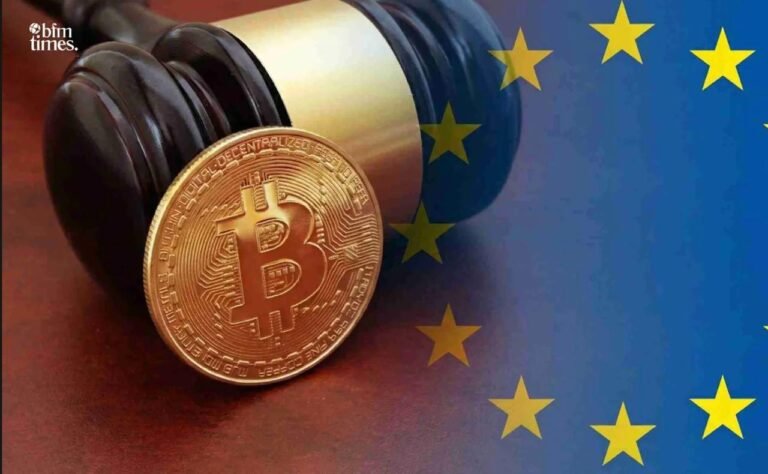
Introduction
Along with the enhancement of technology, crypto coins and blockchain technologies are becoming more popular, bringing subsequent changes and it follow MiCA Regulation. They are digital currencies like Ethereum and Bitcoin that are used by millions of people in today’s world. But whenever there is an enhancement of technology, the need for its control also rises to prevent exploitation and to protect traders from the impact of scammers. To promote the proper functioning of this system, there must be a strict regulatory system, and this regulatory system in the European Union is known as MiCA.
What is MiCA?
It generally stands for Markets in Crypto-Assets Regulation, which is controlled by rules in the crypto market. This law is basically the first comprehensive law governing crypto assets and services. This law aims to control cryptocurrency issuance along with its availability and regulate trading platforms for transactions. MiCA was passed in May 2023 but adopted in December 2024.
Why MiCA is important
Before MiCA came into existence, there were different laws in different countries in the European Union. Among them, some rules were strict, while some were liberal. This variation led to difficulties in understanding crypto companies’ and traders’ activities in Europe. Then MiCA came into existence, which focuses on making unified rules throughout the Union so that:
• It enhances security for investors.
• It provides uniform conduct.
• It makes the working of services for traders smoother and more efficient throughout the Union.
• It controls exploitation along with illegal activities that lead to financial loss due to scams.
Important constituents of MiCA
- Division of crypto assets
This is done so that cryptocurrencies with a high market presence must follow rules strictly for the welfare of major investors.
It divides crypto assets into three forms:
• E-money tokens, whose value is equal to government (fiat) currency
• Asset-referenced tokens, which are related to currencies, assets, or other commodities
• All other crypto coins
- To provide licences and authority
Crypto providers have to obtain a licence to operate in the EU. This licence will be valid in all 27 member states of the European Union. This is helpful for crypto service providers so that they do not have to obtain licenses in multiple countries. One licence is valid across the European Union.
- To promote transparency and investor security
MiCA enhances the transfer of information to investors, which includes:
• White paper containing all the risks involved in trading crypto coins, released by the crypto provider
• Correct and non-manipulated information provided by the company
• To prevent fraud against investors, it is essential that they remain well-informed.
Effect of MiCA
MiCA provides a strong and clear legal framework. It leads to enhanced security for investors along with institutions. It also improves efficiency in the crypto market. However, some crypto providers are negatively affected, as the regulation mainly focuses on protecting investors and may reduce the profit margins of coin providers.
This law enhances the market size of authentic stablecoins and promotes growth and development further.
Conclusion
One of the most important regulatory frameworks in the European Union is MiCA, which plays a vital role in providing transparency, security, and clear information to investors. It suggests a uniform framework across the European Union.
It provides a structure for the efficient functioning of the crypto market by removing fraud, scams, and investor exploitation, thereby enhancing investor confidence in the market.
Disclaimer: BFM Times acts as a source of information for knowledge purposes and does not claim to be a financial advisor. Kindly consult your financial advisor before investing.