

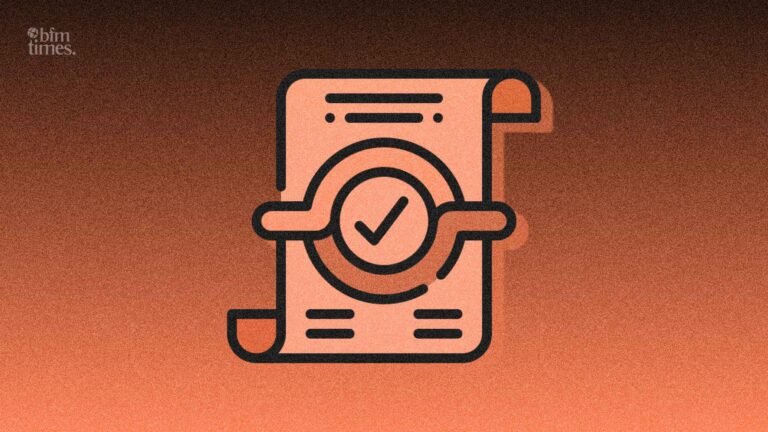
The digital revolution has transformed how we use to conduct business & execute agreements. We see traditional contracts require intermediaries paper trails & extensive time for its processing. It shows how smart contracts have emerged as a groundbreaking solution to these challenges. This helps us in understanding that a smart contract is essential for anyone navigating the modern digital economy. These self executing programs are reshaping industries from finance to healthcare. They eliminate the need of the middlemen while ensuring transparency & security.
- What Are Smart Contracts Explained?
- How Do Smart Contracts Work?
- What Technology Powers Blockchain Smart Contracts?
- What Are the Main Smart Contract Use Cases Across Industries?
- What Are Real World Examples of Smart Contracts?
- What Are the Advantages of Smart Contracts?
- What Challenges & Limitations Do Smart Contracts Face?
- How Do Smart Contracts Compare With Traditional Contracts?
- What Is the Future of Smart Contracts?
- Conclusion
Today in this article Users will understand about What Is a Smart Contract?
What Are Smart Contracts Explained?
The smart contract is a self executing digital agreement which is written in code. We see it runs on blockchain technology and it doesn’t need any human intervention. It executes automatically when the set conditions are met. This works just like a vending machine but for the agreements. These inputs trigger the outputs without any delay. Nick Szabo was the one who first conceptualized this idea in 1994 decades before the blockchain used to exist. He shows platforms like Ethereum have made smart contracts real. This explains these programs contain rules, obligations & penalties like we use to have in traditional contracts. The key difference lies in automated tamper proof behavior of it.
The beauty of smart contracts lies in its simplicity. We see it simply follows the logic that people can understand. It means if you pay the set amount then you will receive the ownership rights. This also means if delivery does not happen by the deadline which is decided before then refunds process starts automatically without any interference. These clear steps reduce confusion & disputes among the parties. They show that the blockchain records every action permanently & it’s openly available for everyone. It explains that no single party can alter their terms once it has been deployed & this states this creates trust between the parties who may never even meet.
How Do Smart Contracts Work?
The process of how smart contracts work depends on basic ideas. We see parties agree on terms & encode them into software. It requires developers to write terms using languages like Solidity. This code then deploys onto a blockchain network. These computers called nodes store identical copies of the contract. They verify actions when someone triggers the contract. He notes this process ensures no one cheats the system.
The execution process happens in clear stages. We see someone initiates a transaction that meets contract conditions. It then goes to the blockchain network for checks. This means nodes run the code & reach shared results. These actions transfer assets or update records automatically. They allow all participants to view results on the blockchain. He notes this entire process happens in minutes or seconds. She states no lawyers, banks or brokers get involved.
The foundation of blockchain smart contracts is security. We see cryptographic methods protect contracts from unwanted changes. It shows once deployed the code becomes fixed on most blockchains. This ensures parties cannot change terms after agreement. These limits also mean coding errors can cause serious harm. They explain developers must test contracts carefully before release. He says many projects now use security audits to reduce risk.
What Technology Powers Blockchain Smart Contracts?
The backbone for smart contracts is blockchain technology. We see a blockchain is a shared record spread across many computers. It stores data in blocks linked by cryptographic links. This creates a strong chain of records. These records remain forever when a smart contract executes. They show no central authority controls this process or data.
The platforms for smart contracts vary in features. We see Ethereum pioneered programmable smart contracts & remains popular. It runs code in a secure isolated space. This has led to platforms like Cardano Solana & Binance Smart Chain. These platforms offer different speed, cost & features. They focus on scale security or decentral power. He explains users choose based on needs.
The decentralized nature of smart contracts offers clear benefits. We see no single point of failure exists. It means the network runs even if some nodes fail. This makes systems highly reliable. These features stop control or censorship by any group. They allow users from anywhere to join freely.
What Are the Main Smart Contract Use Cases Across Industries?
The finance sector leads smart contract use cases. We see decentralized finance or DeFi reshapes banking services. It allows users to lend, borrow & trade without middlemen. This means smart contracts calculate interest & enforce loan terms. These tools allow flash loans within one transaction. They have built a parallel financial system which is worth around billions now.
The insurance sector also explores smart contracts for their claims. We see that the traditional insurance relies on more of the paperwork & then they need to be checked. This shows smart contracts can automate claims fully and accurately. The example includes flight delay insurance. These contracts trigger the payments when delays exceed the time limits. They also use weather data to trigger the crop payouts. It notes this cuts costs & then speeds the payments.
The supply chain gains strong value from these smart contracts. We see companies tracking their goods from production to its delivery. It updates the records at each step automatically. This releases the payments when the delivery is confirmed. These systems increase the transparency & stop any kind of fraud. They show that Walmart uses the blockchain to track these food shipments. It states this cuts tracking time from days to seconds.
The real estate field faces heavy paperwork & delays. We see that smart contracts simplify the property transfers. It allows the buyers to deposit funds into the digital escrow. This transfers ownership & funds together at the same time when the required conditions are met. These systems reduce the need for lawyers & banks to be present. They support the shared property ownership through the tokens.
The healthcare system struggles with data access & privacy. We see that the smart contracts manage the records safely. It gives customer control over the data access. This automates the insurance claims when care matches with the policy. These systems track the drug supply to stop any of the fakes. They also automate the trial payments & data use.
What Are Real World Examples of Smart Contracts?
The CryptoKitties project showed smart contract power in 2017. We see users bred, bought & sold digital cats. It made each asset uniquely owned & verified on blockchain. This caused network slowdown due to demand. They proved blockchain use beyond money.
The Uniswap platform changed crypto trading. We see traditional exchanges rely on order books. It uses smart contracts with liquidity pools. This sets prices through math rules. They process billions in monthly trades. He notes no company controls it.
The Compound Finance platform allows interest earning. We see users earn interest on crypto deposits. It connects borrowers & lenders automatically. This adjusts rates based on supply & demand. They always keep control of funds. She explains no credit checks apply.
The OpenSea marketplace leads NFT trading. We see artists create digital art with proof of ownership. It ensures creator royalties on resale. This gives buyers proof of authenticity. They have handled billions in sales.
The Chainlink network feeds real world data. We see that smart contracts cannot access the web data alone. It uses the decentralized oracles to bridge the data. This includes weather prices & scores. They have unlocked advanced use cases for it.
What Are the Advantages of Smart Contracts?
The automation removes any of the human error & the delay. We see traditional contracts need manual steps. It executes instantly when the required conditions are met. This changes time sensitive deals fully. These settlements move from days to sometimes even in minutes.
The cost savings come from removing any of the middlemen required. We see banks, lawyers & brokers charge high fees from the consumer. It replaces them with just some code & it needs small gas fees which are generally low. These fees still cost less compared to the involvement of the middleman.
Transparency builds trust. We see that everyone can review these contract terms & actions which are done. It prevents any sort of disputes over the agreement terms. These records support checks & rules. They add trust without any of the oversight cost.
The security protects against any sort of fraud. We see that the cryptographic tools block the tampering. It spreads data across many nodes. These systems exceed traditional databases. They reduce risk with any of the audits required.
The accuracy improves through code. We see manual work causes mistakes. It runs exact math without error. These results matter for finance & law.
What Challenges & Limitations Do Smart Contracts Face?
The coding errors pose major risks. We see bugs can cause fund loss. It reminds me of the DAO attack in 2016. This drained large funds. These contracts are hard to fix once live. They demand careful testing.
The scale limits remain a challenge. We see popular chains handle limited transactions. It causes congestion & high fees. These fees can reach high levels. They push work to new layers.
The legal clarity varies by country. We see many laws lack clear rules. It raises questions about enforcement. These gaps slow adoption.
The fixed nature creates inflexibility. We see traditional contracts allow changes. It forces execution even when unfair. These limits can cause harm.
The system integration is complex. We see old systems do not connect easily. It needs cost & training. These skills remain rare.
How Do Smart Contracts Compare With Traditional Contracts?
The comparison shows smart contracts execute automatically while traditional contracts need manual work. We see smart contracts operate in seconds while traditional ones take days or weeks. It shows smart contracts cost less with gas fees while traditional contracts cost more due to fees. This shows smart contracts are fully visible on blockchain while traditional contracts stay private. These facts show smart contracts cannot change once deployed while traditional contracts can change. They show smart contracts rely on code trust while traditional contracts rely on middlemen. He notes dispute handling is hard for smart contracts but courts help traditional ones. She shows smart contracts work globally at all times while traditional contracts depend on hours & location.
What Is the Future of Smart Contracts?
The innovation continues to grow. We see developers build smarter tools daily. It includes decentralized groups run by code. This allows votes to trigger actions. These models change how groups operate.
The cross chain future improves access. We see current contracts stay on one chain. It uses bridges to move assets. These tools will enable full interaction.
The AI link may boost smart contracts. We see AI help write safer code. It predicts the best terms. These contracts may adjust to change.
The adoption depends on solving limits. We see user tools must get simpler. It needs lower costs. These rules need legal clarity. They will drive wide use.
Conclusion
At last, we can conclude that the understanding of what is a smart contract shows blockchain value. We see these programs remove middlemen & add trust. It shows use cases expand fast. This automates trust in new ways. These challenges need care. They still point to strong future use. He notes smart contracts empower people & business. She states adoption will grow. They represent a shift in agreements. He concludes the journey has begun & growth continues.
Disclaimer: BFM Times acts as a source of information for knowledge purposes and does not claim to be a financial advisor. Kindly consult your financial advisor before investing.