


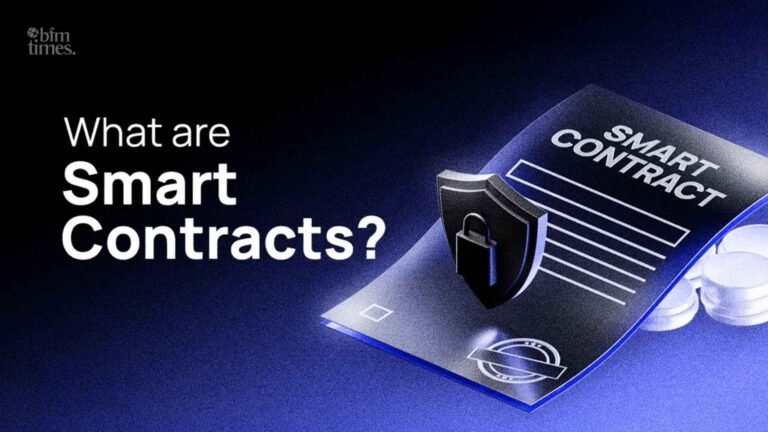
Immutability is one of the most notable benefits of blockchain technology, and it is epitomized by the mantra “Code Is Law” in the crypt world. Although this ethos suggests the logic of a smart contract once deployed is unchangeable and permanent, the reality, as the industry matures, is more nuanced. While still true that the bytecode of a specific address on the blockchain is immutable, innovative architectural tricks have been developed to allow for upgrades.
The Standard Rule: Immutability
The default state of a smart contract comes with an immutable nature, so once a contract is deployed, the compiled code is written into a block and given a unique address. Due to the cryptographic nature of blockchain protection, not even the original creator would be able to change the code of that smart contract. This is aimed at providing a higher level of security and “trustlessness”; users can interact with a protocol knowing that the rules won’t change mid-transaction.
How Change Happens: Upgradeability Patterns
The blockchain might be immutable, but it doesn’t change the fact that, like all systems, it sometimes has bugs, and developers have to figure out a way to fix these by circumventing the immutability of the chain. Several workarounds have been proposed; here are some of them:
- Proxy Contracts: The most well-known method in the blockchain world is using proxy contracts to get around the immutability issue. This is done by making the users interact with a “Proxy contract” instead of the underlying logic directly. States are stored on the proxy, and when a change needs to be made, the developer creates a new underlying contract and tells the proxy to point to the new contract address.
- Contract Migration: This involves just directly manually migrating a contract to a new version on a different address.
- The Diamond Pattern (EIP-2535): This specific protocol enables the developer to split contracts into many “Facets” and then add, replace, or remove specific facets to update a part of the system without affecting the others.
The Trade-off: Security vs. Flexibility
The tradeoff that comes with allowing smart contracts to be changed is the “centralization risk” that makes them a little bit less secure. Developers being able to change contracts means they could theoretically steal user funds, which is why reliable projects use Multi-Signature (Multisig) wallets or Decentralized Autonomous Organizations (DAOs) to approve changes. There is also the introduction of a “timelock” feature that enables users to withdraw their funds within a specific window(2 or 7 days) before an upgrade takes effect.
Disclaimer: BFM Times acts as a source of information for knowledge purposes and does not claim to be a financial advisor. Kindly consult your financial advisor before investing.